Whether you are a small e-commerce business owner or the operator of a large retail chain, one thing is certain — packaging is not simply about putting something in a box.
Packaging represents an extension of your brand image, a way to protect your products and one of the largest recurring expenses in your supply chain. To get it right, you need to take into consideration the aesthetics of the package, but there is also much more that needs to be done. There is a disciplined, strategic process called procurement packaging that needs to be followed for a successful outcome.
What Is Procurement Packaging?
Procurement packaging (also called packaging sourcing) is the entire process from the identification, evaluation, acquisition and management of all of your packaging materials and services. Procurement packaging is much more than simply purchasing boxes; it is a strategic function that involves many aspects of your business such as cost management, supplier relations, quality assurance, brand consistency, compliance, and sustainability.
The Importance of Packaging Procurement for Brand Success
While many brands focus on developing and marketing their product, they do not treat procurement of packaging as an important part of the process; therefore, it is typically treated as an afterthought regarding logistics or part of the supply chain. This is expensive.
When a brand does not use a well-established process to procure its packaging materials, this often leads to inconsistent quality of materials, unexpected increases in cost, reliance on a particular supplier, and poor representation of a brand through its packaging.
By having a structured procurement process for packaging, a brand can minimize these risks and often achieve considerable cost savings in doing so.
Understanding The Cost Of Poor Procurement Processes
Before discussing how to successfully procure packaging, it is important to understand what type of risk your company has if it treats vendor selections for procurement of packaging as a standard or normal process instead of as a strategic process.
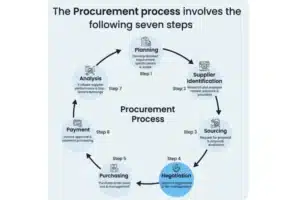
Establishing Your Procurement Packaging Step by Step Process
Criteria for Packaging Requirements
All successful procurement processes begin with a precise definition of what you need from suppliers before contacting them. To do this, you will want to put down on paper the type of package you want from your supplier(s). This could be: boxes, bags, poly mailers, inserts, etc. In addition, you’ll need the dimensions, materials, printing specs, finish requirements, minimum order quantities, lead time, and budget for the package(s) you’ve defined. The more accurately you define your package requirements, the better and more competition received from suppliers will be when you receive their price proposals.
Research and Create a List of Suppliers
Once you have defined your needs, the next step is to find suppliers who can fulfill those needs.
Search past the first page of your search results. Go to packaging trade shows so that you can meet the suppliers face to face and form real friendships with them. Speak to people within your network of professionals who can give you recommendations — real use of a supplier from a trusted source will always be more valuable than anything found in a directory.
Be sure to focus on suppliers who specialize in your type of product and have a solid, proven history with other brands that are close to your size.
Evaluate Suppliers by more than just Price
It’s a widely-accepted truth that price matters in purchasing. Oftentimes, purchasing decisions are influenced by pricing alone, which is one of the most common and costly mistakes made when purchasing.
When comparing suppliers, it’s important to assess others based on multiple facets:
Quality Level – The only true way to verify that the supplier has high-quality materials is by having them send you provided samples of their supplies, which you should test and evaluate. You can also ask for any Certifications showing that the supplier complies with Quality Management Systems or Sustainable Development requirements.
Amount of Production Capacity – Make sure that the supplier has the necessary manufacturing capabilities to fulfil your order(s) today, and that they have the capability to manufacture more product as your needs grow.
Availability of Customization Options – Be sure to check that the supplier has machinery and capability for producing custom dimensions, finishes and/or inks to meet your needs.
Level of Communication and Reliability – Even though you’re evaluating the supplier based on pricing, you should still look at how quickly the supplier answers any questions you have, how much information they give you regarding expected lead times and possible delays and how reliably they have manufactured and delivered products in the past.
Sustainability Alignment – If you plan to have a reputation for using eco-friendly packaging, make sure the supplier sources their materials from reputable businesses that also produce eco-friendly packaging and that they are able to prove all of the information they provide.
Request Samples for Review and Revision Prior to Finalizing Your Move Forward.
You should never place a complete production order before having the supplier send you an actual sample to verify its contents. You can contact suppliers to request prototypes of the estimated finished design of your packaging materials to be sure that you’re getting the exact product you’ll be receiving from your supplier.
After obtaining the prototype, conduct an extensive set of tests (tests of the printing, test of the structure, test of the weight of the material that the packaging is manufactured from, test of the finish of the product) and be sure you’re testing under realistic conditions.
Confirm All Terms and Enter into Production
After your proofs have been approved, make sure to confirm the commercial details of your order prior to entering into production. Details that need to be finalized include: unit price, order value, payment terms, lead time commitment, delivery terms and quality acceptance criteria. Once finalized, you need to make sure all of the above details will be documented in the form of a formal purchase order or contract and not through verbal agreements only.
A good supplier will be sending you a final design proof for your written approval prior to printing. Be sure to carefully review the proof before approving it and only approve it when you are completely satisfied with the final proof.
When the products are received, carefully inspect the units for good quality. The most effective way to inspect the units is to take a sample of several units and check them against your specifications. Any deficiencies or variation from the specification need to be reported immediately so that appropriate corrective action can be taken before receiving all of the product.
Three Ways To Distinguishing Smart Buyers From Everybody Else
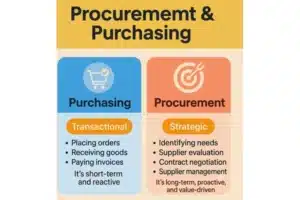
The key to getting the most value from your packaging procurement is to follow a structured process. Businesses that do this tend to implement specific strategies which will help them get a better return on their investment than those that do not.
Keep Your Packaging Spend Consolidated
If you have many different packaging types in your supply chain i.e. shipping boxes, inner cartons, tissue paper, branded tape etc, then you should be looking at ways to consolidate your purchase with fewer suppliers instead of spreading them out over a number of different suppliers.
By consolidating your purchasing volume with each supplier you can increase your negotiating ability with each supplier. This often results in better pricing, priority on production scheduling, and improved payment terms. Also, consolidating your supply chain will reduce the time and cost required to manage suppliers.
Create Long-Term Supplier Relationships
Treating suppliers as “Transactional” Vendors instead of “Strategic” Partners is a missed opportunity.
When a supplier knows you and has built a relationship with you over a period of time this supplier will be able to anticipate your needs and alert you when something goes wrong earlier than if you were just a transactional vender. A long-term Supplier Partner will provide better commercial terms in order to maintain that relationship.
Develop Strong Communication with Suppliers and Provide Constructive Feedback about Their Performance
The investment in building strong communication with your best suppliers will result in consistency and reliability within your supply chain even when the market is under pressure.
Sustainable Packaging Has Become a Necessity in Procurement
There has been a significant shift in the way consumers expect brands to demonstrate their commitment to environmental sustainability through their purchasing habits.
Brands purchasing packaging without thoughtful assessment of their sustainability efforts are at odds with customers, being subjected to scrutiny from increased regulation by governments regarding plastic and waste and are missing out on an excellent opportunity for a differentiated brand offering.
When evaluating suppliers, ask for proof from your supplier that their packaging materials have established environmental credentials. Look for recycled content, FSC certifications for paper, biodegradable coatings and ink based on soybeans. Make sure that their claim of being sustainable is verifiable by an independent certification body versus solely marketing materials.
Doing the right thing with responsible procurement packaging is building a brand that today’s consumer wants to be a part of.
Mistakes to Avoid In Packaging Procurement
Even experienced procurement teams fall into common errors or traps when procuring packing materials. Below are common traps to avoid:
Omitting the sample stage in an attempt to save time but discovering quality issues after conducting a full production run.
Having only one source for supply and not maintaining secondary suppliers for raw materials which may create an inconvenience or risk when suppliers are at full capacity or have quality issues goes against industry best practices and creates a risk for your business.