Custom boxes need today’s business to connect with people to promote brands. Custom printed boxes firstly appeared in the 1800s, using lightweight cardboard boxes similar to the ones used now to package their flaked cereals.
Small batch orders work fine when you’re just starting out. But once you’ve got multiple SKUs, retail accounts to keep stocked, or a launch date that can’t move because packaging showed up short, that approach starts breaking down. That’s usually when beauty brands start looking at cosmetic boxes wholesale instead of patching together small orders every few weeks.
At ZJ Packaging, we manufacture cosmetic boxes wholesale for makeup, skincare, and beauty brands that need the same quality on unit 1 and unit 5,000, not just a nice-looking sample. Every box is made to your exact specs, printed to match your brand colors, and built from materials that hold up, whether you’re shipping glass bottles, pressed powder compacts, or cream jars that can’t afford to slide around in a box during transit.
The math here isn’t complicated, but a lot of newer brands miss it early on. Setup costs, plates, dies, color matching, stay roughly the same whether you order 100 boxes or 5,000. Spread that cost over a bigger run and the price per unit drops fast. Often enough, one wholesale order works out cheaper than two or three smaller reorders added together.
There’s also a timing side to this. Every small reorder means going back through design approval, color checks, and production scheduling again, and a delay anywhere in that process can leave you with finished product and nothing to pack it in. Order wholesale once and you skip that repeated back-and-forth, and you’ve got stock sitting ready while you focus on selling instead of chasing packaging.
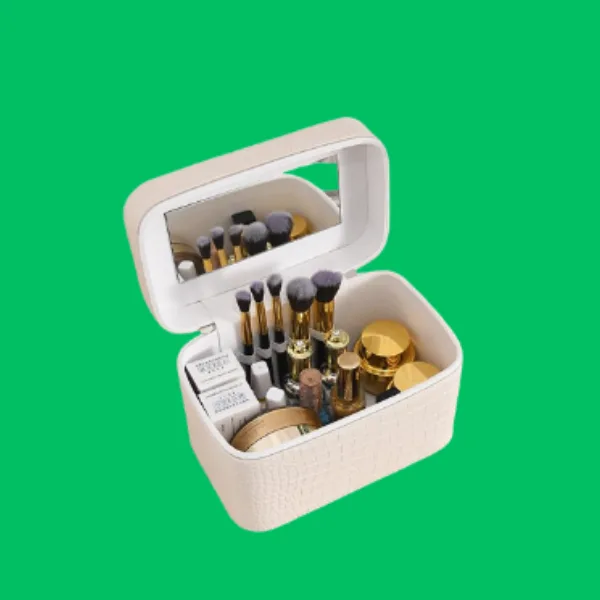
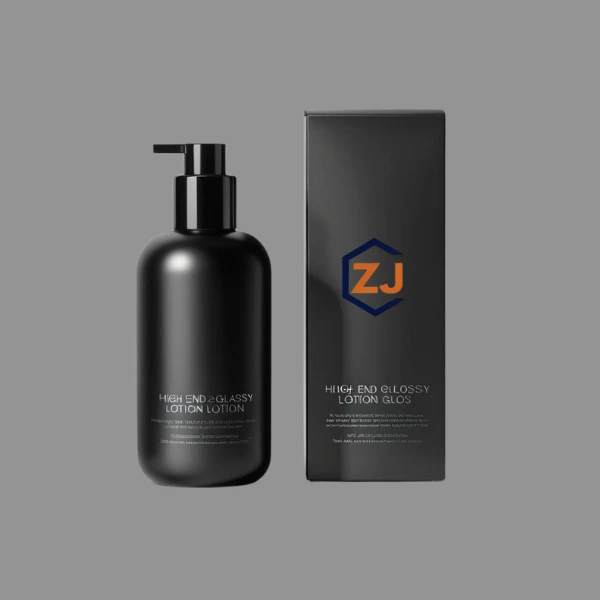
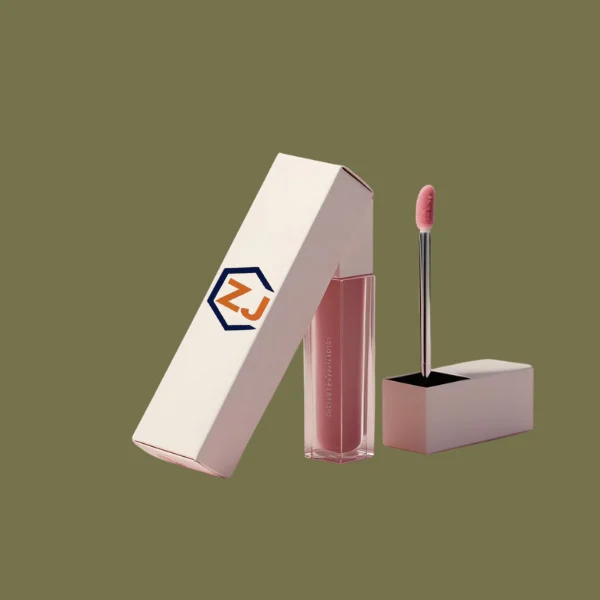
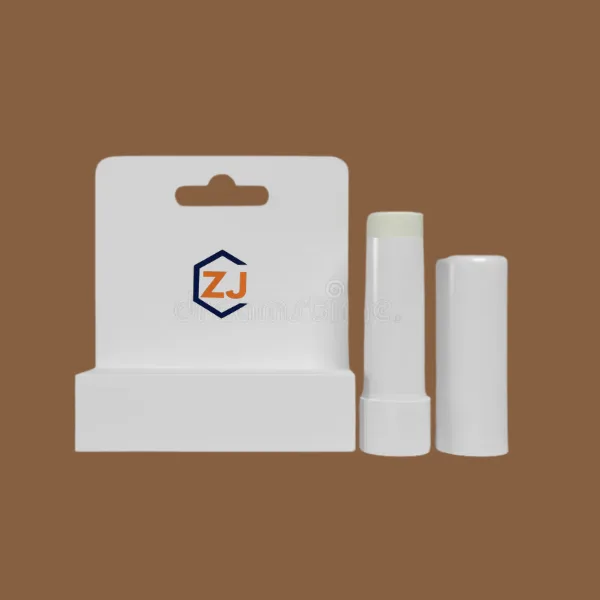
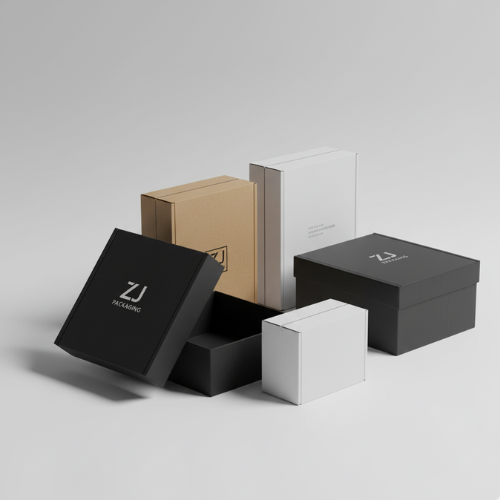
Wholesale doesn’t have to mean generic. Our custom cosmetic boxes get built around what’s actually going inside, a lipstick box and a skincare jar box aren’t sized or shaped the same way, and treating them like they are usually means wasted material or a product that rattles around in shipping.
Some of what we build regularly:
This is the step people rush the most. Before print or finish comes up, we look at the product itself, its shape, weight, whether it’s glass, plastic, or tin, and build the inside cavity around that. Too much room and a glass bottle shifts during shipping, which is how breakage claims start chipping away at margin. Too tight and packing becomes slow and annoying for whoever’s filling orders. We size each box to sit right in between.
Shape matters too. Depending on how a product needs to open, close, or sit on display, we produce:
A magnetic lid box feels premium and can actually be reused, which matters if a customer’s likely to hang onto it. A sleeve sliding box gives you that two-piece unboxing feel without paying for a magnetic closure. A window-cut box shows the product before anyone opens it, useful for makeup shades where color accuracy is part of what someone’s deciding on.
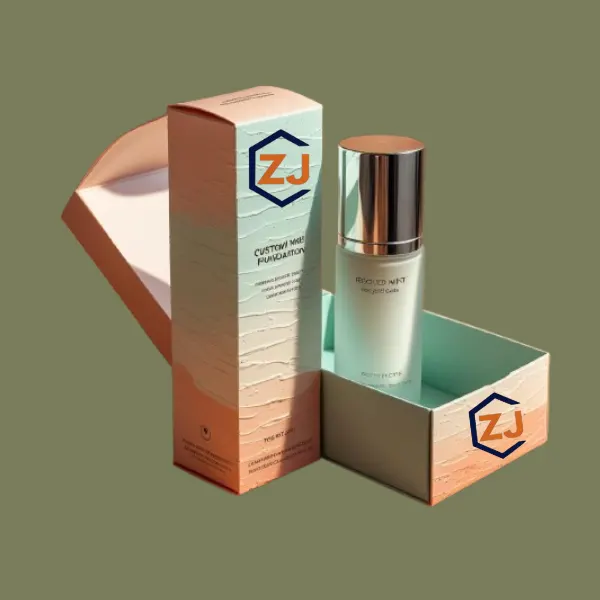
Color does most of the talking before anyone reads a word on the box. Soft pastels, blush pink, baby blue, mint green, tend to feel gentle and feminine, and they pair naturally with watercolor or ombre effects. Kraft-based boxes go the other way entirely, plain and natural, and tend to suit brands built around an eco-conscious identity more than a glossy one.
Not sure where to start on dimensions? Here are sizes we produce often, though every order still gets built to your product’s real measurements instead of forced into something off a chart:
Not every cosmetic box has to compete on volume and price. For premium skincare, high-end makeup, or gift-tier beauty products, the packaging needs to carry some of that price point on its own. Our are built for exactly that, heavier materials, tighter tolerances, and finishing meant to be felt, not just looked at.
Most “luxury” packaging falls apart at the material stage, before print or finish ever gets involved. Thin board with a glossy coating slapped on top still feels thin the second you pick it up, no matter how nice the print looks. Real luxury cosmetic boxes start with rigid stock, board that doesn’t fold or flex, because that weight is what someone actually notices first. Foil, embossing, soft-touch coating, all of that comes after and backs up the impression the material already made.
Once the base material’s right, finishing is where the box earns the rest of its feel:
Foil on a logo catches light in a way flat print just can’t, and it’s one of the quickest ways to push a box toward a higher price point without changing anything structural. Soft-touch lamination does the opposite job, no shine at all, just a texture that reads as expensive the moment someone’s fingers touch it, which matters more than people expect during an actual unboxing.
A few small additions change how a luxury cosmetic box feels once it’s opened:
None of this is required for the box to do its job. But together, it’s usually what separates a box that just holds a product from one that makes unboxing feel like part of what someone paid for.
Wholesale-volume custom cosmetic boxes or a small run of luxury cosmetic boxes, either way the material underneath still has to hold up and look right. We work with:
Kraft Paper – Natural, recyclable, and something eco-conscious cosmetic buyers pick up on almost without thinking. Works for everyday and premium skincare lines alike, depending on the finish.
Cardboard – Comes in 14 pt, 18 pt, and 24 pt thickness depending on how much rigidity a product needs. This is the workhorse behind most retail cosmetic boxes.
Corrugated – Layered flutes between kraft or cardboard sheets add real strength, which is why we point wholesale cosmetic orders here when the boxes need to survive bulk shipping without getting crushed.
Rigid Stock – Thick, non-folding board used almost only for luxury cosmetic boxes, where the weight and stiffness of the box are part of what the customer’s actually paying for.
Tin – Less common, but still used for things like lip balm containers, usually round with rolled edges, and it feels nothing like paper-based packaging.
Color consistency matters more at wholesale scale than almost anywhere else. A shade of pink that’s slightly off on box 50 versus box 5,000 is exactly the kind of thing customers and retail buyers pick up on. We print using:
PMS matching specifically is what keeps a brand’s exact color locked across a full production run, not just close on the first batch and drifting from there.