Custom boxes need today’s business to connect with people to promote brands. Custom printed boxes firstly appeared in the 1800s, using lightweight cardboard boxes similar to the ones used now to package their flaked cereals.
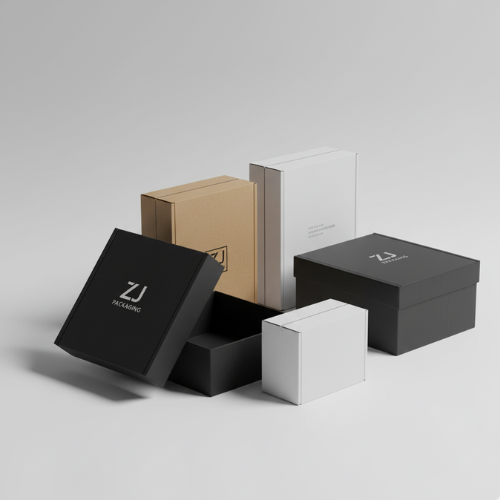
In recent years, the world has witnessed a significant shift toward sustainable and eco-friendly packaging. With increasing consumer awareness about environmental issues and stricter regulations on single-use plastics, businesses are actively seeking greener alternatives for their packaging needs. One innovative solution that has gained traction is hemp boxes. Made from hemp fiber, these boxes not only provide sturdy and versatile packaging but also offer numerous environmental and economic benefits.
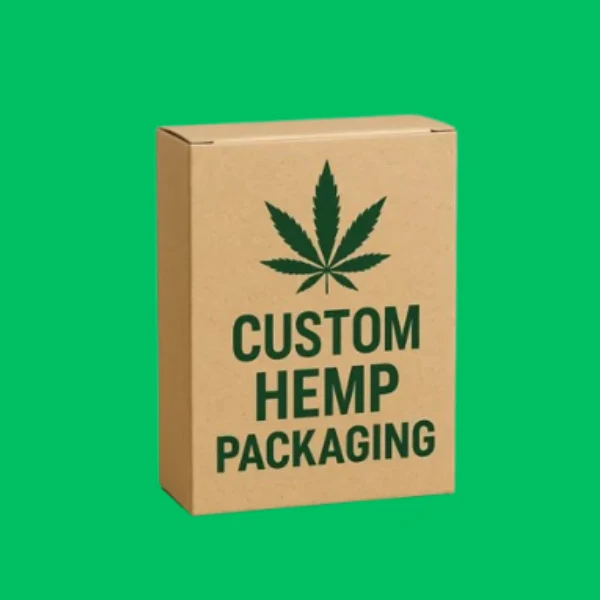
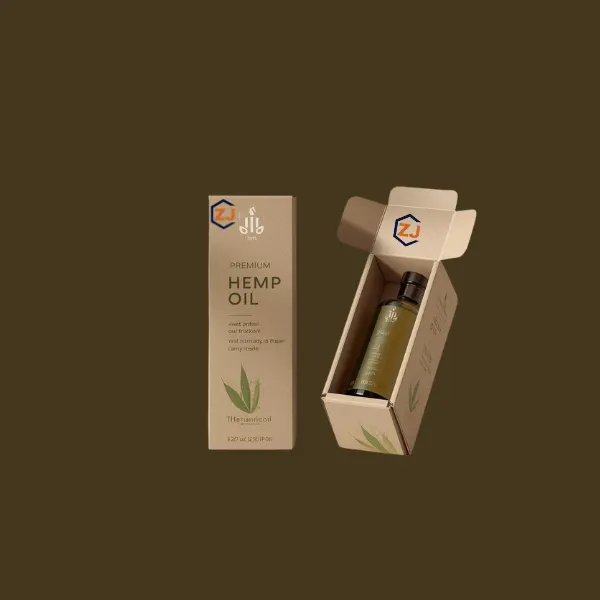
Hemp boxes are packaging solutions made primarily from hemp plant fibers. Hemp, a variety of the Cannabis sativa plant, is known for its fast growth, minimal need for pesticides, and ability to produce strong fibers. These fibers are processed into paper, cardboard, or molded materials, which are then used to create packaging boxes for a wide range of industries, including food, cosmetics, electronics, and retail.
Unlike traditional paper or cardboard, which often relies on trees and chemicals, hemp fibers are naturally robust and biodegradable. This makes hemp boxes an excellent alternative to plastic-based packaging and traditional cardboard that may have a larger carbon footprint.
Biodegradable and Compostable: Hemp boxes decompose naturally without releasing harmful chemicals into the soil or water. This significantly reduces waste accumulation in landfills and minimizes environmental pollution.
Reduced Carbon Footprint: Hemp cultivation absorbs carbon dioxide at a high rate. When hemp boxes replace plastic or traditional paper packaging, the overall carbon emissions from production, transportation, and disposal are considerably lowered.
Sustainable Resource: Hemp grows quickly, often reaching maturity in 3–4 months. Unlike trees, which take decades to grow, hemp can be harvested multiple times a year, ensuring a continuous and sustainable source of raw material.
Low Pesticide Use: Hemp is naturally resistant to pests, which reduces the need for harmful pesticides and chemicals. This not only protects soil and water but also ensures a cleaner production process for packaging.
100% biodegradable and compostable.
Reduces carbon footprint due to hemp’s fast growth and CO₂ absorption.
Made from a sustainable resource
Requires minimal pesticides for cultivation.
Recyclable and reduces landfill waste.
The food industry has embraced sustainable packaging more than many other sectors, and hemp boxes are playing a growing role here. They are naturally non-toxic and can be treated to resist moisture, making them suitable for packaging items like bakery products, snacks, and takeout meals. Unlike plastic containers, hemp boxes do not leach harmful chemicals into food, making them a safer choice for consumers.
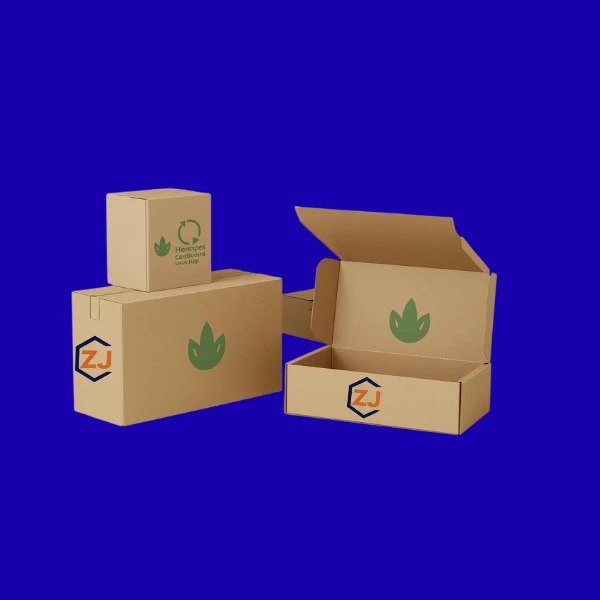
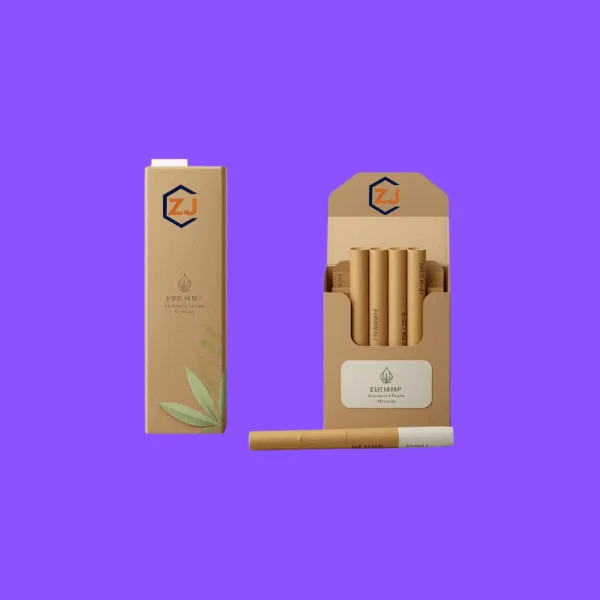
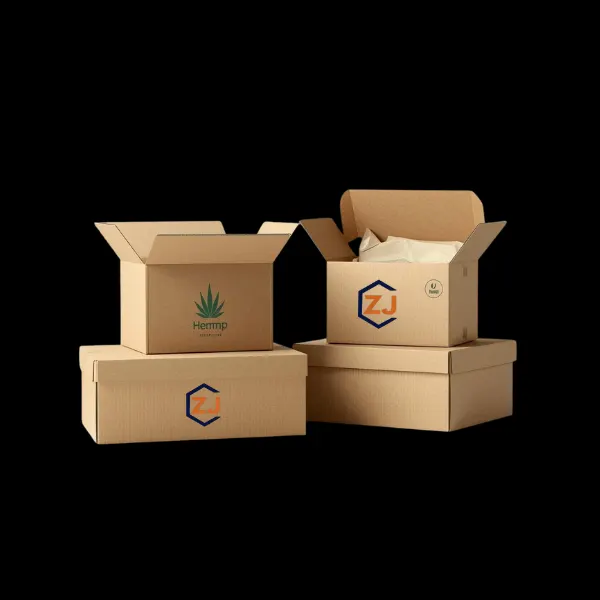
Furthermore, the natural aesthetic of hemp boxes resonates with eco-conscious customers, enhancing brand perception. Many brands now print their logos and designs directly onto hemp boxes using soy-based or water-based inks, maintaining the eco-friendly nature of the packaging.
The cosmetic and personal care industry is increasingly turning to hemp-based packaging to reduce environmental impact. Hemp boxes provide the sturdiness needed to protect delicate products like glass bottles, makeup palettes, and skincare jars. Additionally, they align with the sustainable branding that many organic and cruelty-free brands strive for.
Customizable designs, embossed logos, and high-quality finishes make hemp boxes an attractive option for premium cosmetic brands, allowing them to stand out on the shelf while supporting environmental sustainability.
Although hemp boxes were once considered more expensive than traditional packaging, advancements in processing technology have made them increasingly affordable. When factoring in environmental benefits, reduced disposal costs, and improved brand reputation, hemp boxes often prove to be a cost-effective solution for businesses in the long run.
Moreover, the hemp industry creates economic opportunities for farmers and manufacturers. As demand for sustainable packaging grows, cultivating hemp provides an additional revenue stream for farmers and encourages local manufacturing.
Used for premium products like jewelry, watches, and luxury cosmetics.
Strong, durable, and offers a high-end feel
Ideal for shipping, e-commerce, and retail.
Easy to store and assemble.
Custom shapes for products like electronics or fragile items.
Can be biodegradable and sturdy.
Natural, rustic appearance.
Eco-friendly alternative to traditional cardboard.
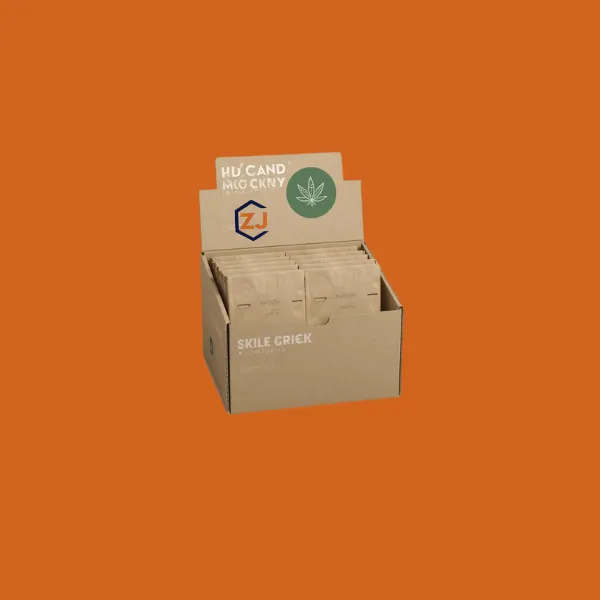
Boxes with cut-out windows covered with compostable films.
Perfect for displaying food items, cosmetics, or small products.
Using hemp boxes goes beyond functionality; it also communicates a brand’s commitment to sustainability. Eco-conscious consumers are more likely to support businesses that prioritize environmentally friendly practices. Hemp boxes serve as a tangible representation of a company’s green initiatives, enhancing customer trust and loyalty.
Brands can further capitalize on the natural texture and earthy appearance of hemp packaging to create visually appealing products. The tactile experience of uncoated hemp boxes, combined with eco-friendly printing techniques, can give products a premium and organic feel, which is increasingly valued in today’s market.
While hemp boxes have numerous advantages, there are some considerations businesses must keep in mind:
Water Resistance: Untreated hemp boxes can absorb moisture. To mitigate this, manufacturers often apply biodegradable coatings or treatments to enhance water resistance while maintaining eco-friendliness.
initial Investment: Setting up hemp-based packaging may require changes in machinery or sourcing, which can involve upfront costs. However, these costs often balance out over time due to sustainability benefits and customer appeal.
Market Awareness: Hemp packaging is still relatively new in some regions, and educating consumers about its benefits can help in achieving broader acceptance.
The demand for sustainable packaging is expected to grow exponentially in the coming years, driven by consumer preferences, governmental regulations, and environmental concerns. Hemp boxes are well-positioned to play a major role in this shift. Their combination of durability, eco-friendliness, and aesthetic appeal makes them an attractive option across various industries.
As technology advances, we can expect even more innovative uses of hemp fibers in packaging, such as biodegradable composites for shipping pallets, reinforced boxes for heavy-duty applications, and hybrid packaging solutions combining hemp with other sustainable materials .Moreover, the rise of circular economy principles—where packaging materials are reused, recycled, or composted—further boosts the potential of hemp boxes as a truly sustainable solution. Businesses that adopt hemp packaging early are likely to benefit from brand differentiation, customer loyalty, and regulatory compliance in an increasingly eco-conscious market.