Introduction
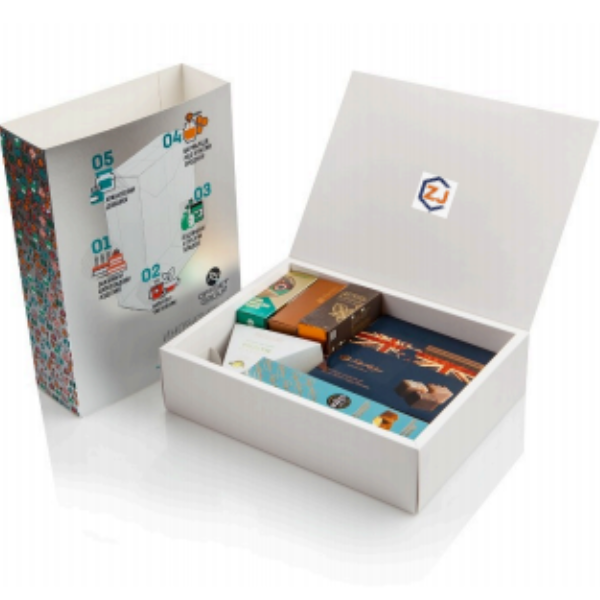
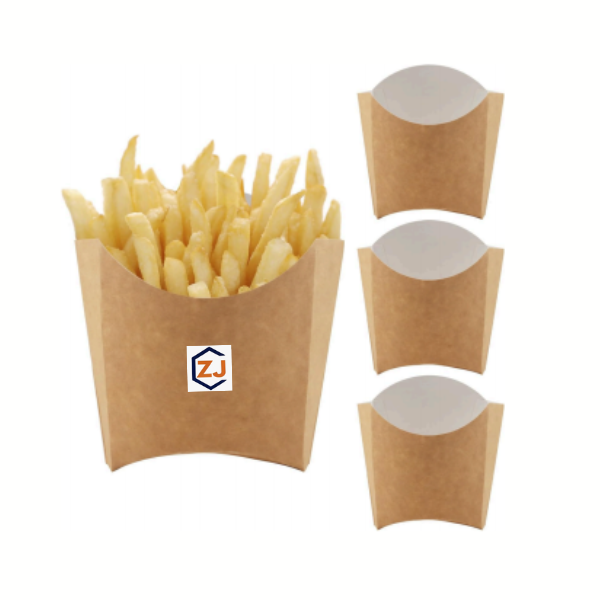
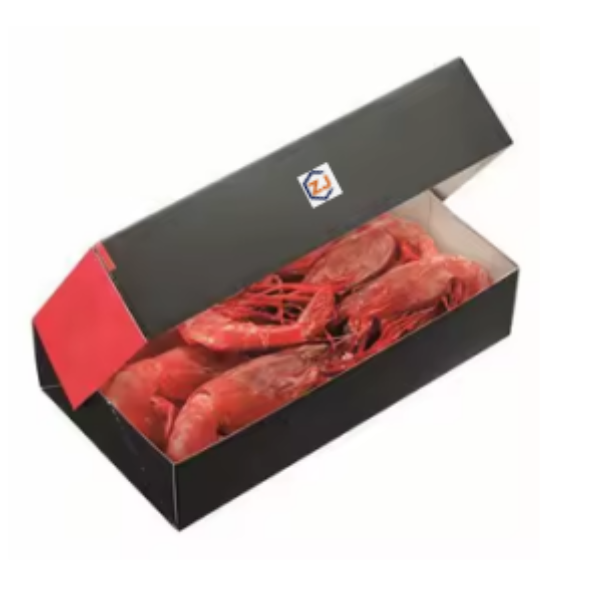
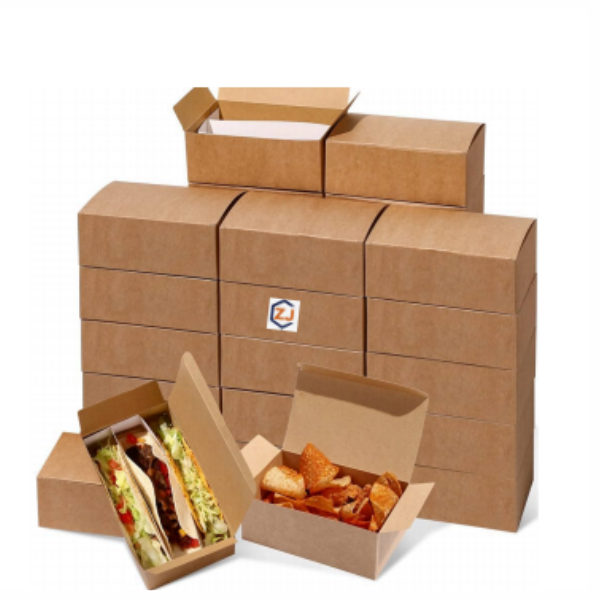
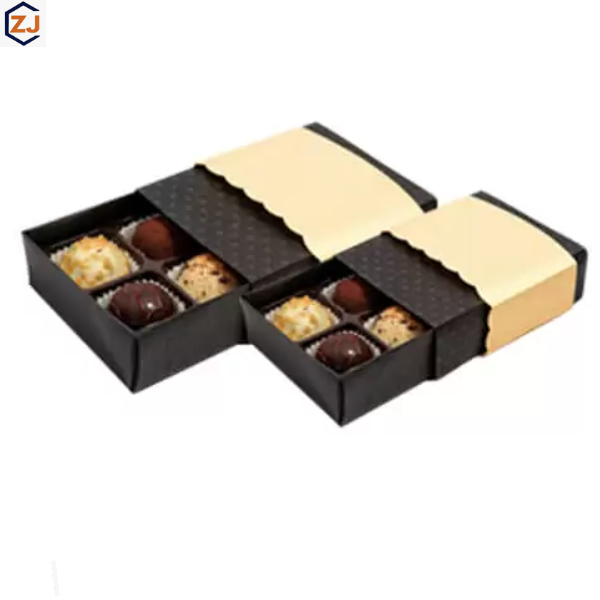
Food boxes play an important role in today’s food industry. Whether you run a restaurant, bakery, café, or online food business, the right packaging keeps your food fresh, safe, and ready to enjoy. These boxes make delivery easier, prevent spills, protect the food during transport, and add a professional touch to your brand. With different sizes, materials, and designs, food boxes help businesses present meals with confidence while improving customer experience.
Why Custom Food Boxes Matter
Generic packaging can hold food, but it does not provide much opportunity for branding.
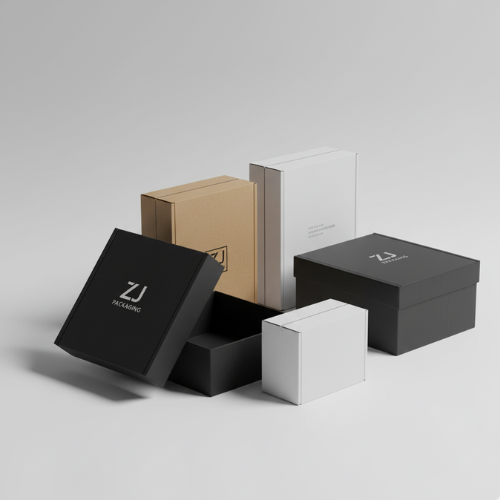
Custom food boxes allow businesses to create packaging that reflects their own identity.
A restaurant can use its brand colors and logo on every takeaway order. A bakery can print its business name and product information on pastry boxes. A food manufacturer can create a consistent package design across an entire product range.
This consistency helps customers recognize the business.
Packaging can also make the food look more appealing. A clean box with a well-planned design can create a better first impression before the customer opens it.
Benefits of Custom Food Boxes
1. Better Brand Recognition
The more often customers see a business’s logo and visual identity, the easier it can become to recognize the brand.
A branded food box can travel beyond the restaurant or store. When customers carry the package home, the brand remains visible during the journey.
2. Professional Presentation
Packaging is part of the customer experience.
A carefully designed box can make a meal feel more organized and professionally presented.
3. Product Protection
Food boxes can help protect food from damage during handling and transportation.
The structure should be selected according to the product.
4. Better Product Organization
Some food boxes can include compartments, dividers, or inserts.
These features can help keep different food items separated.
5. Marketing Opportunity
The outside of the box provides valuable space for branding.
Businesses can include their logo, website, social media information, promotional messages, or other relevant details.
Food Boxes for Restaurants
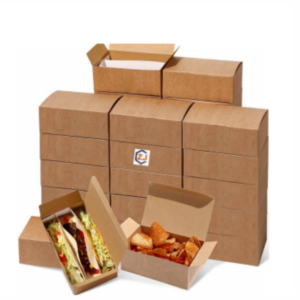
Restaurants often use boxes for takeaway and delivery orders.
The packaging needs to balance appearance with functionality.
A restaurant may need separate boxes for burgers, sandwiches, fried foods, rice dishes, desserts, and other menu items.
Instead of using completely different branding for every package, businesses can maintain a consistent visual identity while changing the box structure according to the food.
This creates a product family that looks connected.
Burger boxes need to hold the food securely while providing enough ventilation and structure for the specific product.
The dimensions should account for the burger size and any additional wrapping or liners.
A printed burger box can display the restaurant logo, slogan, or simple graphics.
For delivery businesses, the box should also be considered alongside the full delivery packaging system.
The goal is to make sure the burger reaches the customer in a condition that matches the intended presentation.
Custom Bakery Boxes
Bakeries have many different packaging needs.
Cakes, cupcakes, cookies, donuts, pastries, and other baked products may require different box structures.
Cake boxes may need extra height, while cookie boxes may be smaller and more compact.
A bakery can use custom printing to display its logo, contact information, product name, and special messages.
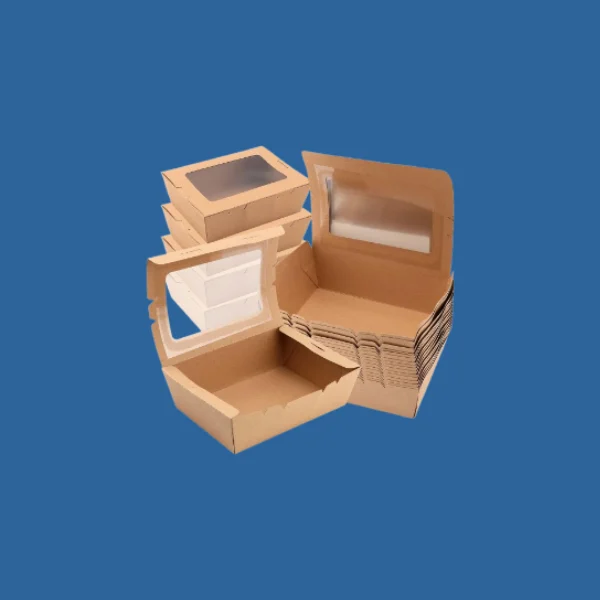
A window can also be incorporated into some bakery boxes when seeing the product is useful.
Food Boxes With Windows
A window allows customers to see part of the product without opening the package.
This can be useful for food products where appearance is important.
For example, a bakery may want customers to see decorated cupcakes or pastries.
However, the window material should be appropriate for the intended food application, and the overall package should still provide sufficient protection.
The window should also be positioned carefully so it does not weaken the structure unnecessarily.
Materials Used for Food Boxes
Material selection is one of the most important parts of food packaging.
Paperboard
Paperboard is commonly used for various food cartons and takeaway applications.
It can provide a smooth surface for printing and can be produced in different thicknesses.
Kraft Paperboard
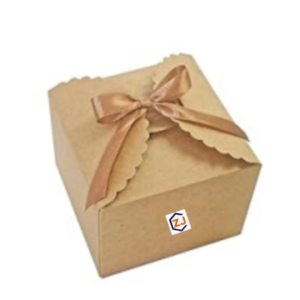
Kraft paperboard provides a natural appearance and is popular with restaurants, cafés, bakeries, and food brands that prefer a simple visual style.
The brown surface can be printed with logos, graphics, and text.
Corrugated Board
Corrugated materials can provide additional strength and are often used when greater protection is required.
They can be useful for shipping or larger food packages.
Specialty Food Packaging Materials
Some food applications require coatings, barriers, liners, or other materials to manage moisture and grease.
The correct material depends on the food and how the package will be used.
Custom Food Packaging for Takeaway
Takeaway packaging needs to be convenient for both the business and customer.
Employees should be able to pack food quickly without struggling with complicated box structures.
Customers should also be able to carry and open the package easily.
A practical box can reduce unnecessary packing time while providing a clean presentation.
This is especially important for busy restaurants where employees may prepare large numbers of orders during peak hours.
Printing Options for Food Boxes
Printing gives food packaging its visual identity.
Digital Printing
Digital printing can be useful for smaller quantities and detailed artwork.
It may be suitable for businesses testing a new design or ordering packaging for a special event.
Offset Printing
Offset printing is commonly considered for larger production runs.
It can provide consistent results for businesses producing significant quantities of packaging.
Flexographic Printing
Flexographic printing can be suitable for certain packaging materials and high-volume applications.
The appropriate method depends on the box material, design, quantity, and supplier capabilities.
Designing a Professional Food Box
Good food packaging design starts with a clear purpose.
The customer should be able to identify the brand and understand what the package contains.
A basic design may include:
- Logo
- Brand name
- Product name
- Short message
- Website
- Contact information
- Social media details
Use the most important information first and keep secondary details organized on other panels.
How to Choose the Right Food Box Size
The box should be large enough to hold the food comfortably without leaving excessive space.
Start by measuring the product.
Consider whether the food will be wrapped, placed in a liner, or separated into compartments.
The box should allow enough room for normal handling without crushing the product.
A sample is extremely useful.
Place the actual food inside the box and test how it behaves when the package is moved, stacked, opened, and closed.
Common Food Packaging Mistakes
Choosing Packaging Only for Appearance
A beautiful box is not useful if it cannot handle the food.
Ignoring Food Safety
Materials must be appropriate for their intended food application.
Using the Wrong Size
Poor sizing can affect both presentation and product protection.
Overloading the Design
Too many graphics and messages can make the package difficult to understand.
Forgetting Delivery Conditions
Packaging for dine-in takeaway may have different requirements from packaging used for delivery.
Skipping Testing
Real-world testing can reveal problems with heat, moisture, grease, movement, and fit.
Final Thoughts
Custom Food Boxes provide businesses with a practical way to protect food while building a recognizable brand identity. From restaurants and cafés to bakeries, caterers, food manufacturers, and delivery businesses, custom packaging can be adapted to many different applications.
With custom food boxes with logo, businesses can place their branding directly in front of customers during takeaway and delivery. A well-positioned logo, consistent colors, readable information, and an appropriate box structure can make the packaging feel professional without making the design unnecessarily complicated.