What Are Chocolate Boxes?
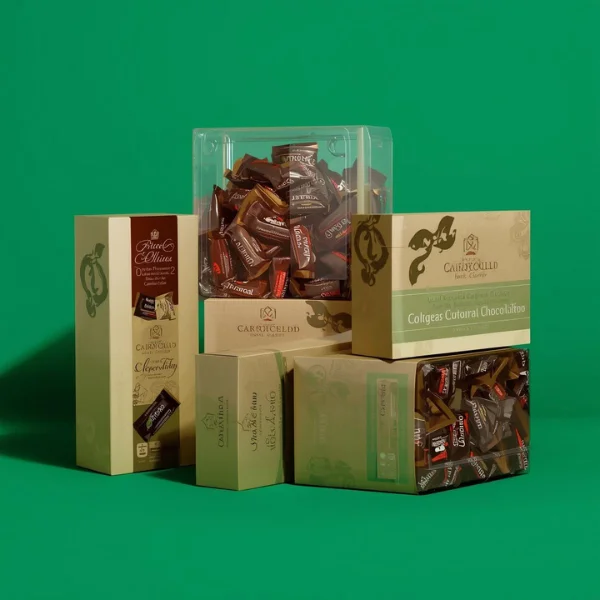
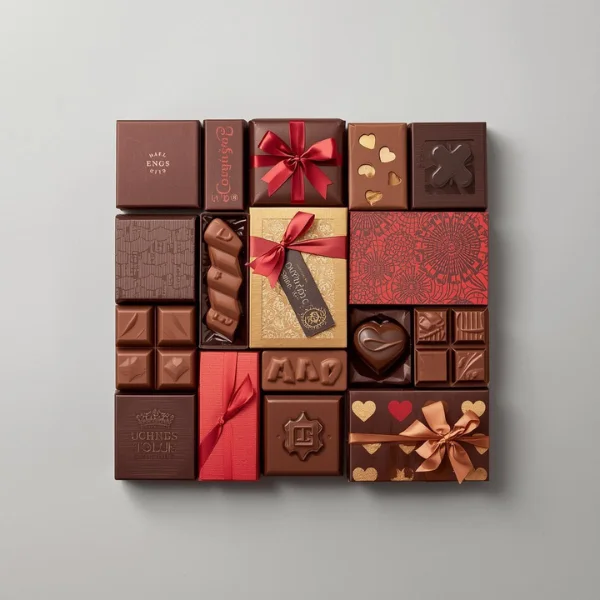
Chocolate boxes are packaging boxes made from paperboard cardboard rigid material or kraft paper to store and protect chocolates. They often include inserts dividers or trays to keep each chocolate piece in place. Many chocolate boxes feature decorative prints attractive colors and elegant designs that enhance the presentation. These boxes are available in many shapes including square rectangular round and heart shaped. They are commonly used for gifting seasons celebrations and premium product packaging.
What Are Chocolate Boxes?
Chocolate boxes are containers designed specifically to hold and present chocolate products.
They can come in many shapes and structures depending on the type of chocolate being packaged.
A small box may hold a few individual pieces, while a larger package may contain several rows of chocolates. Some boxes include inserts or compartments that keep each piece in place.
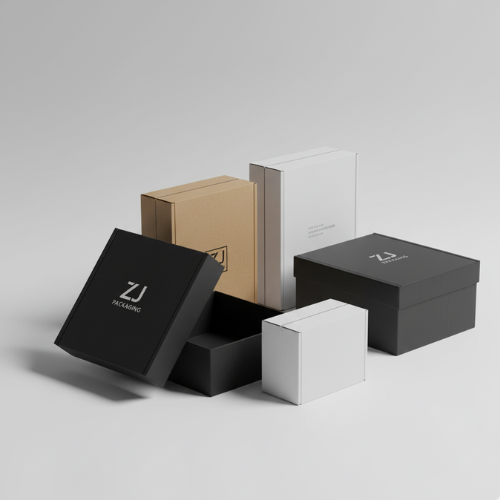
Common chocolate box styles include:
- Folding cartons
- Rigid boxes
- Drawer boxes
- Magnetic closure boxes
- Window boxes
- Two-piece boxes
- Gift boxes
- Sleeved boxes
- Kraft boxes
Choosing the Right Chocolate Box Style
The structure of the box should match the product and customer experience.
Folding Chocolate Boxes
Folding cartons are often practical for businesses that need lightweight packaging.
They can be printed with detailed artwork and stored flat before assembly.
Rigid boxes provide a more substantial feel and are commonly associated with premium products.
They can be useful for gift collections and luxury chocolate assortments.
Drawer-Style Chocolate Boxes
Drawer boxes create an interesting opening experience. The inner tray slides out from the outer sleeve.
This structure can make the product feel more special when opened.
Magnetic Closure Boxes
Magnetic boxes can provide a sophisticated presentation.
They are particularly suitable for premium chocolate gift sets where the opening experience is an important part of the product.
Window Chocolate Boxes
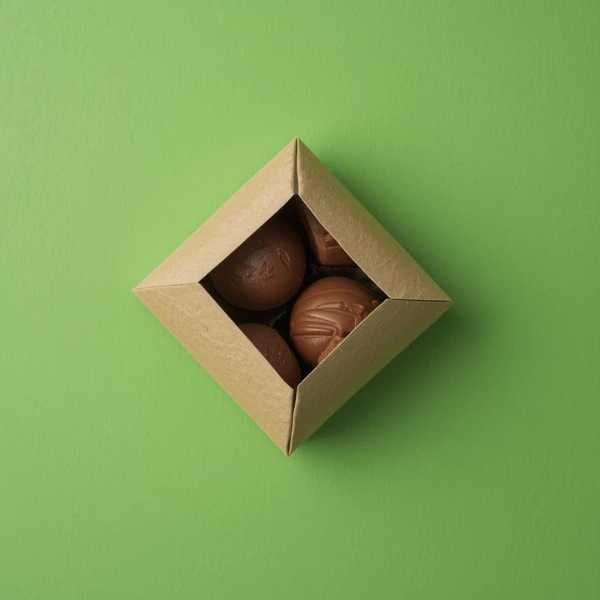
Window boxes allow customers to see the chocolates without opening the package.
This can be helpful when the appearance of the chocolate is part of the selling point.
The Importance of Chocolate Box Inserts
Chocolate pieces can move around inside a box if they are not properly supported.
An insert can help keep each piece in its intended position.
For assortments, compartments can also make it easier for customers to understand the arrangement of different flavors or chocolate types.
Inserts can be designed according to the number, shape, and size of the chocolates.
They may also create a more organized appearance when the box is opened.
For delicate chocolate designs, appropriate internal support can be especially useful during transportation.
Materials Used for Chocolate Packaging
Material selection is an important part of chocolate packaging.
Paperboard
Paperboard is widely used for folding chocolate cartons because it is lightweight and provides a printable surface.
It can be produced in different thicknesses depending on the application.
Kraft Paperboard
Kraft material provides a natural appearance and can work well for handmade or artisan chocolate brands.
The brown surface can be combined with simple printing to create a clean and understated package.
Rigid Board
Rigid board provides a stronger and more substantial structure.
It is often selected for premium gift packaging and chocolate collections.
Specialty Papers
Specialty papers can add texture and visual interest to premium packaging.
These materials can be used alongside other finishing techniques to create a distinctive presentation.
Custom Chocolate Boxes With Logo
A logo is one of the easiest ways to turn packaging into a recognizable brand asset.
A chocolate box with a clearly placed logo can help customers remember the company behind the product.
The logo does not have to dominate the entire package.
A smaller logo combined with a strong product name and attractive design can often create a more balanced appearance.
The logo can be placed on:
- The lid
- Front panel
- Sleeve
- Inner lid
- Side panel
- Insert
The best location depends on the structure of the box and how customers will see it.
Chocolate Packaging for Gifts
Gift packaging is one of the strongest applications for custom chocolate boxes.
People often purchase chocolate as a present because it is easy to share and suitable for many occasions.
Businesses can create special packaging for:
- Birthdays
- Weddings
- Anniversaries
- Holidays
- Corporate gifts
- Valentine’s Day
- Religious celebrations
- Party favors
- Thank-you gifts
Chocolate Boxes for Corporate Gifts
Companies often use chocolates as gifts for customers, employees, partners, and business contacts.
A custom box can include the company’s logo alongside the chocolate brand.
The packaging can be designed to look professional and appropriate for a business setting.
For corporate orders, businesses may also choose custom messages, event branding, or special packaging sleeves.
The key is to keep the design professional without making it feel overly promotional.
Final Thoughts
Chocolate Boxes are much more than containers for confectionery products. They protect the chocolates, organize individual pieces, present the product to customers, and provide valuable space for branding.
With thoughtful Chocolate Packaging, businesses can create a package that matches the quality and personality of their products. Custom Chocolate Packaging gives brands even more control over dimensions, materials, printing, inserts, closures, and finishing details.
For businesses that want a recognizable product presentation, custom chocolate boxes can help turn ordinary packaging into part of the overall customer experience.