Soap Boxes That Make a Bar Worth Picking Up
A bar of soap doesn’t have much going for it on its own. It’s small, it’s usually one shade of one color, and next to ten other bars on the same shelf it disappears fast unless the packaging around it is doing some work. That’s the whole job of soap boxes, turn something plain into something a customer actually reaches for, without losing the practical side, keeping the bar clean, dry, and intact until it gets used.
At ZJ Packaging, we build soap boxes for brands selling everything from basic bath bars to handmade, cold-process soaps with ingredient lists customers actually read before buying. Every box is sized to the bar going inside it, printed to match your branding, and finished in a way that fits where it’s actually going to sell, a retail shelf, a gift set, a subscription box, wherever.
Soap isn’t a uniform product. A machine-cut bar, a hand-poured cold-process bar, and a novelty-shaped bar all behave differently in a box, and packaging that ignores that ends up either too loose or fighting the product to close properly. Our custom soap boxes start with the actual bar, its size, shape, and how consistent that shape is from unit to unit, before anything else gets decided.
Why the Fit Matters More Than It Seems
A bar that’s slightly too small for its box slides around during shipping, and that movement is usually what causes cracked edges or damaged corners by the time it reaches a shelf. A bar that’s too tight is a different problem, it’s awkward to package by hand and can crack the bar itself just from being forced in. Handmade soaps make this trickier, since cold-process bars often vary a few millimeters bar to bar, so we build in enough tolerance to fit that natural variation without the box looking loose or sloppy.
Structural Options for Custom Soap Boxes
Depending on how the bar needs to be shown, sealed, or handled, custom soap boxes come in a few different builds:
- Boxes with inserts, for a snug, secured fit
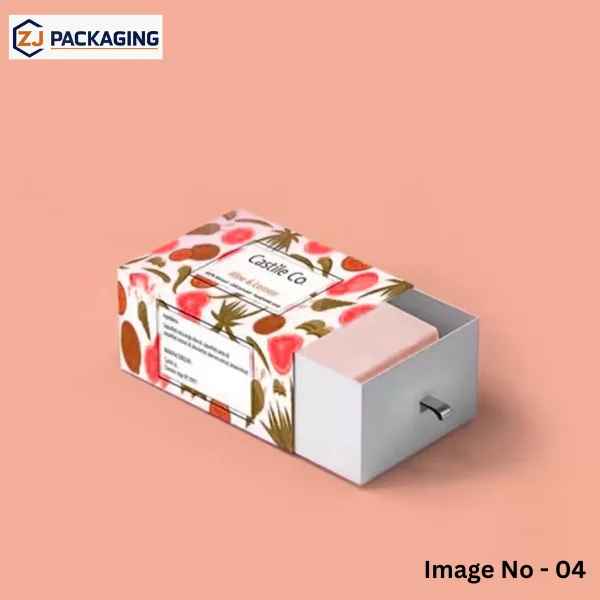
- Soap sleeve packaging, a two-piece slide format
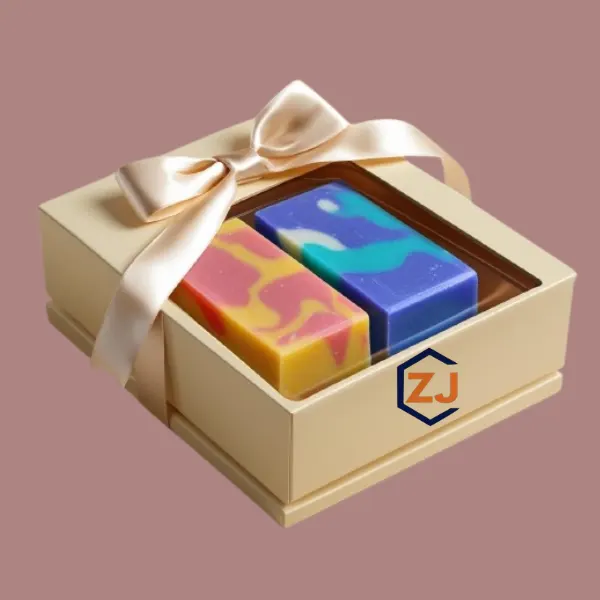
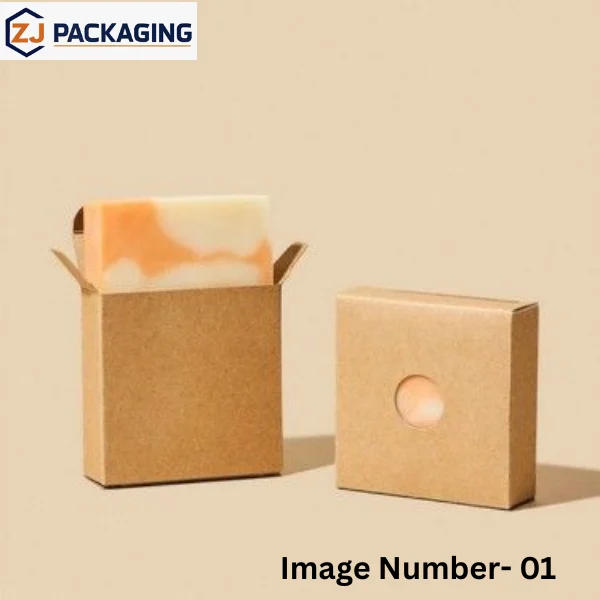
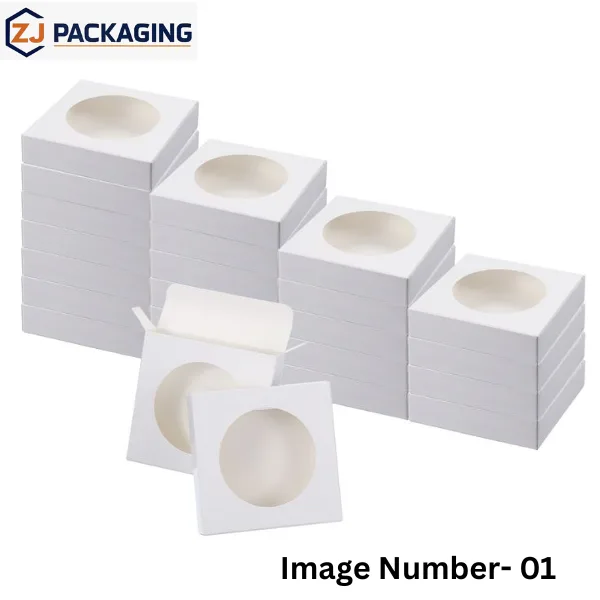
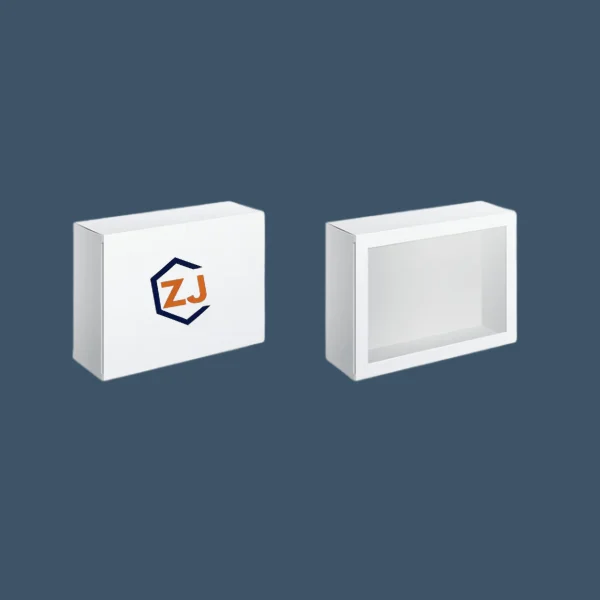
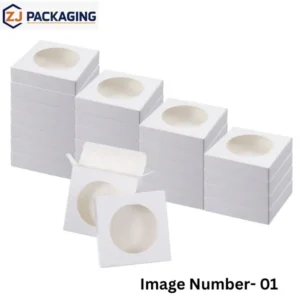
- Soap boxes with windows, for visual product preview
- Two-piece luxury soap boxes, for a more premium unboxing feel
A sleeve style tends to work well for gift-focused brands since it opens with a small reveal moment. Insert-based boxes are better suited to shipping-heavy brands where the bar needs to stay pinned in place no matter how the box gets handled in transit.
Custom Sizing for a Better Fit in Hand
Beyond the box itself, the bar’s own dimensions matter. A slightly thinner or gently curved bar, something like 2.25 × 3.5 × 1 inches, tends to sit better in the palm than a bulky rectangular block, and a better-fitting bar generally needs less packaging material around it too. Oversized, ill-fitting boxes don’t just look wrong, they take up more shelf and storage space and push shipping costs up for no real benefit.
Not every soap product is a single bar on its own. Bath bombs, multi-bar gift sets, novelty shapes, and retail display needs all fall under the same general category but need genuinely different packaging. Our soap packaging boxes line covers that full range rather than treating every product like a standard bar.
Packaging Beyond the Standard Bar
- Bath Bomb Boxes – built around a rounder, softer product than a flat bar, with more cushioning since bath bombs chip and crumble more easily than a solid bar of soap.
- Soap Gift Packaging – sized for multi-bar or holiday sets rather than one bar, usually with dividers or inserts to keep each bar separated and presentable.
- Square Soap Boxes – fitted for soap molded into a square or block shape, which doesn’t sit right in a box built for the typical oval or rectangular bar.
Packaging for Retail Display and Wholesale Orders
A single-bar retail box and a display box are solving two different problems. A Soap Display Box is built to hold several bars upright on a checkout counter or store shelf, so it’s judged on how well it presents a group of bars, not just one. For buyers ordering in volume rather than a small run, Soap Boxes Wholesale covers all the same styles at bulk pricing, which matters once you’re supplying more than a single retail account.
Belly Bands and Soap Bands as a Lighter Alternative
Not every product needs a full box. A Soap Band is sized specifically to wrap around one bar rather than acting as general packaging, and it’s a lighter, usually cheaper option than a full box when all you need is something to hold a paper wrap or label in place. Wide “belly band” style wraps do something similar, securing the bar in the middle while leaving most of its natural texture and color visible.
Finishing That Protects and Presents
Soap packaging boxes hold up better with the right coating, and it’s not purely cosmetic. Gloss and matte lamination both help keep contaminants and moisture away from the bar, which matters for shelf life as much as looks. Spot UV adds a premium touch on logos or accents without covering the whole box, and soap bar labels give you a clean spot to list ingredients, vegan or cruelty-free claims, and other information customers check before buying.
Not every soap brand needs a rigid, heavily finished box, and for a lot of brands, especially ones leaning into a natural or handmade identity, a lighter build is actually the better fit. Our soap boxes give you the window-box effect and clean presentation of standard soap packaging on simpler, lighter stock, without the added cost of rigid material.
Why Paper Works for Certain Soap Brands
Paper soap boxes tend to suit smaller-batch or artisanal soap makers particularly well, the material itself reads as natural and unfussy, which lines up with how these products are usually marketed. It’s also just more practical for brands doing shorter runs or testing a new product line, since paper stock generally costs less to produce than rigid alternatives at lower volumes.
Kraft Paper Soap Boxes vs. Handmade Soap Boxes
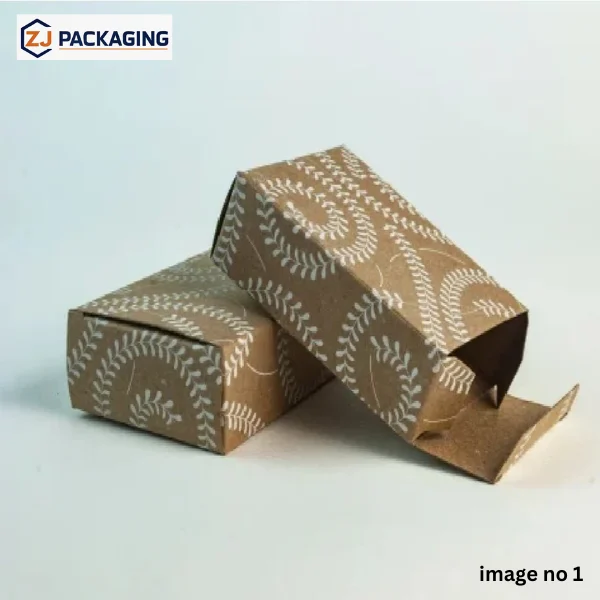
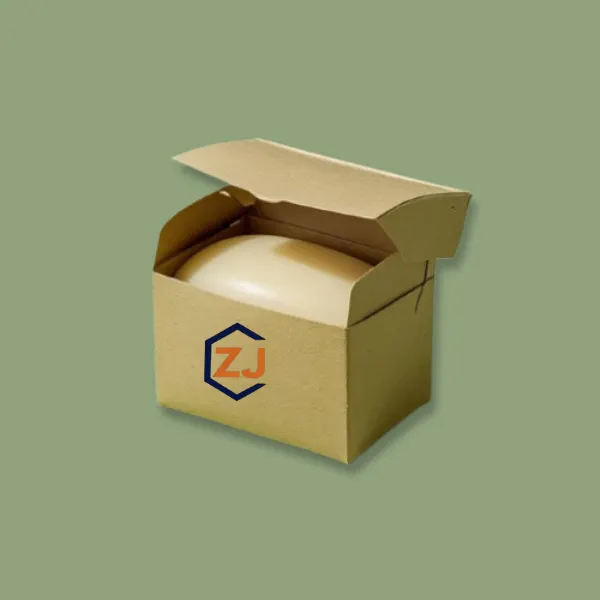
These two get confused often, but they’re built differently. A Custom Kraft Soap Box covers the general rustic, recyclable look, natural brown tones, a raw unfinished feel, that a lot of organic and natural soap brands go for. A Handmade Soap Box, on the other hand, is sized and shaped specifically for small-batch, cold-process bars, which vary slightly from bar to bar and need a more forgiving fit than a machine-cut bar coming off a consistent mold.
Window Cutouts on Paper Stock
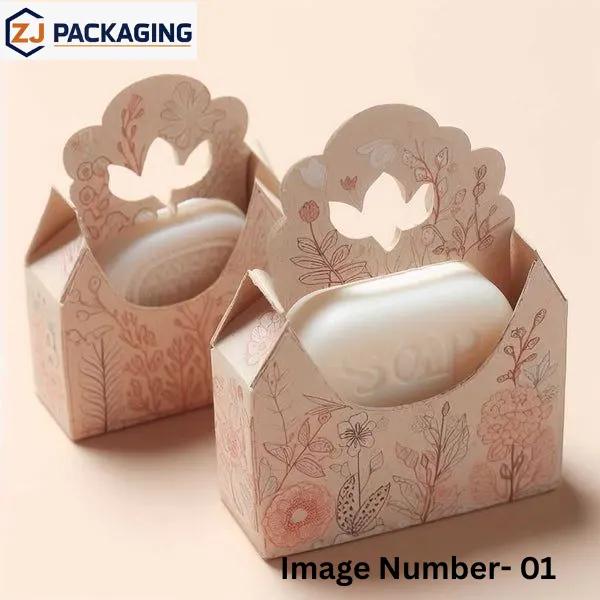
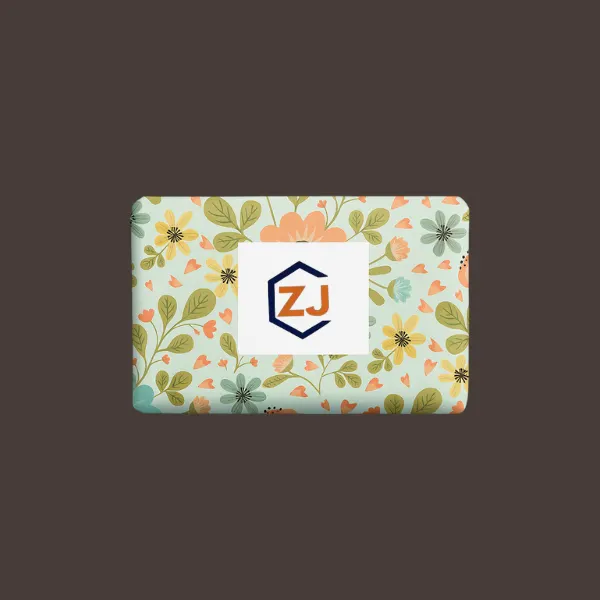
A die-cut window works on a general retail box, but a dedicated Window Soap Box is designed around that see-through panel from the start, rather than a window cut into a box built for something else. On paper stock specifically, cutouts don’t need to be plain holes either, floral or geometric shapes work just as well structurally and double as a design element, letting fragrance diffuse out through the cutout pattern while still giving a visual preview of the bar inside.
Materials That Hold Up Behind the Print
Whichever soap box style you’re building toward, the material underneath decides how well it protects the bar and how it reads on a shelf.
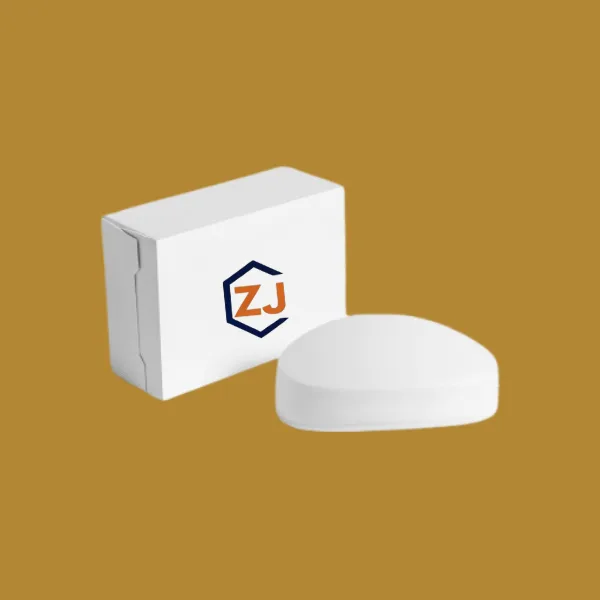
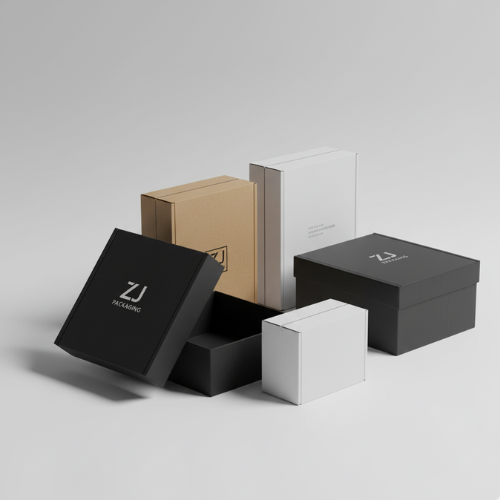
Cardstock – Smooth, clean, and the standard choice for most retail soap boxes. Enhances shelf appeal and works well for both everyday bars and higher-end luxury soap presentations depending on the finish applied.
Kraft Paper – The go-to for sustainability-focused branding. The natural rustic brown tone reads as handmade and eco-conscious, which is exactly what most organic and artisanal soap buyers are already looking for.
Rigid Stock – Reserved mostly for luxury soap lines, since the extra weight and structure signal a higher price point the moment someone picks the box up.
Finishing and Print That Make a Bar Stand Out
Print and finish do the final work of turning a functional box into something that competes on a crowded shelf.
- Matte or gloss lamination
- Spot UV
- Embossing and debossing
- Foil stamping
- CMYK and PMS color matching for accurate, consistent branding
For a more artisanal feel, some brands skip the polished finishes entirely and go with heavily textured, cotton-blend cardstock, decorative punched holes that let essential oil fragrance escape, or a twine wrap secured with a hand-pressed wax seal. None of that is necessary functionally, but it’s often what makes a bar feel individually made rather than mass-produced.
Why Brands Choose ZJ Packaging for Soap Boxes
- Free design support
- Free shipping across the USA
- Endless customization choices
- Fast turnaround, typically 10 to 12 business days