Custom Kraft Boxes Wholesale in USA
Packaging does more than hold a product. It protects the item, presents it to customers, communicates important information, and gives people an early impression of the brand. For businesses looking for packaging that combines a natural appearance with practical functionality, kraft boxes have become a popular option.
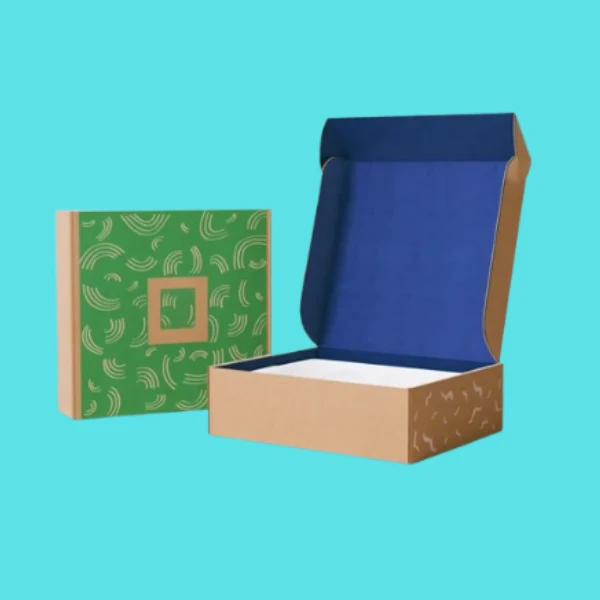
Custom Kraft Boxes give brands the freedom to choose their box size, shape, printing, material, and finishing details. Instead of using a standard package that looks the same as countless other products, businesses can create packaging around their own products and branding.
What Are Kraft Boxes
Kraft boxes are packaging boxes made from kraft paper or kraft-based paperboard. The material is manufactured using a process designed to produce paper with useful strength and durability.
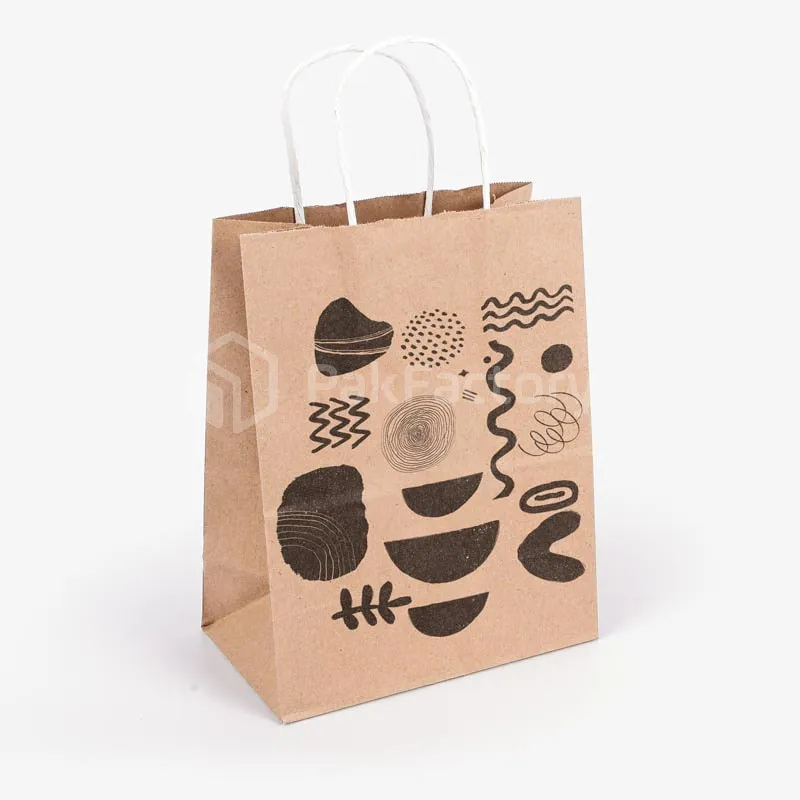
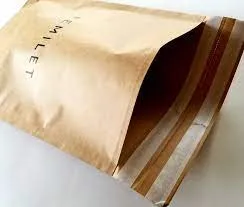
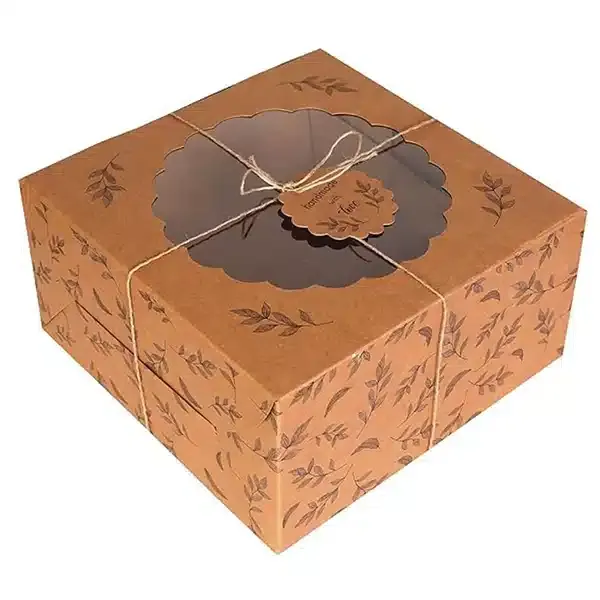
The familiar brown color is one of the most recognizable characteristics of kraft packaging. However, kraft material does not have to remain plain brown. Depending on the material and printing process, businesses can use different colors, graphics, logos, patterns, and finishes.
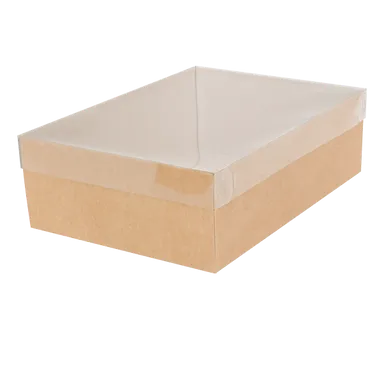
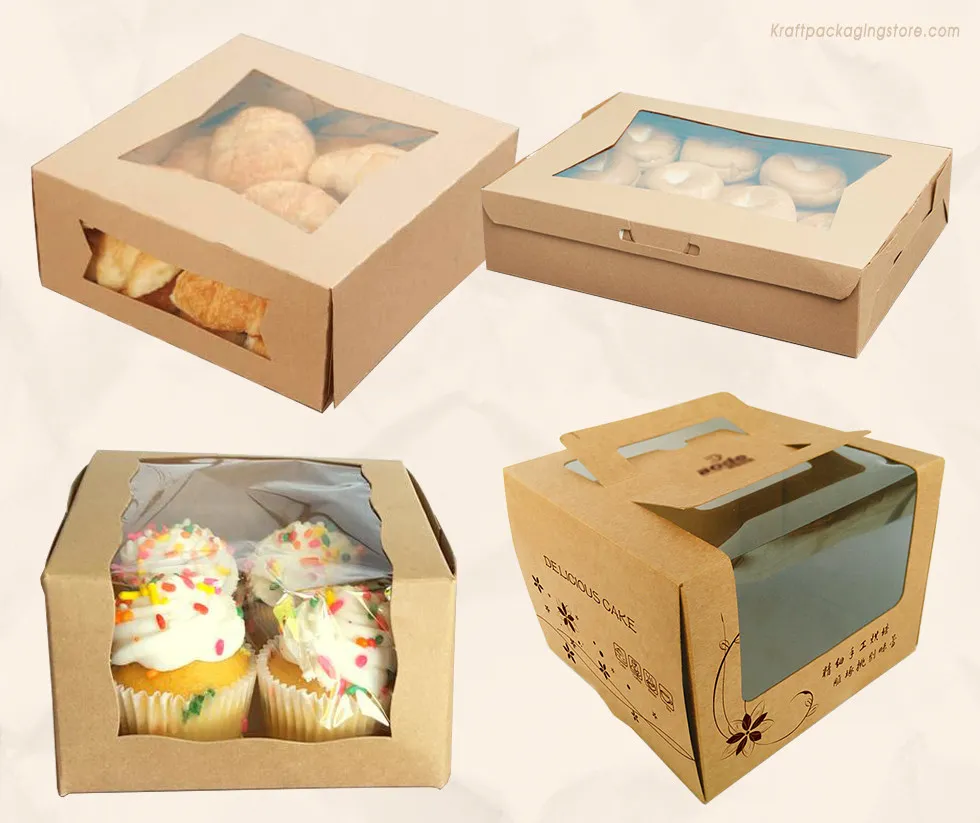
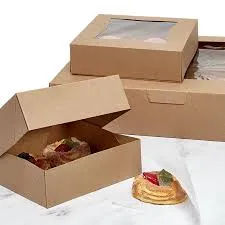
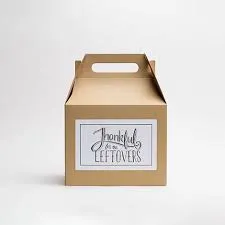
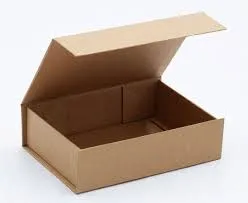
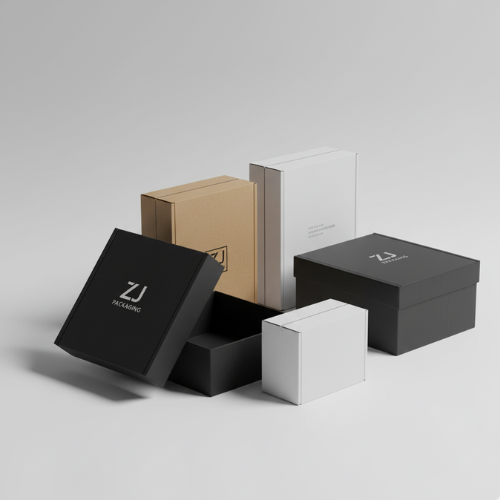
Kraft boxes are available in many shapes and sizes. Some are simple folding cartons, while others can include lids, inserts, windows, handles, or specialized structures.
Because the material is relatively versatile, kraft packaging can be adapted to many different product categories.
Custom Kraft Boxes for Branding
Packaging can be one of the most visible forms of brand communication.
When customers repeatedly see the same logo, colors, typography, and design elements, they can begin to associate those features with a particular company.
Custom kraft packaging gives businesses an opportunity to build this consistency.
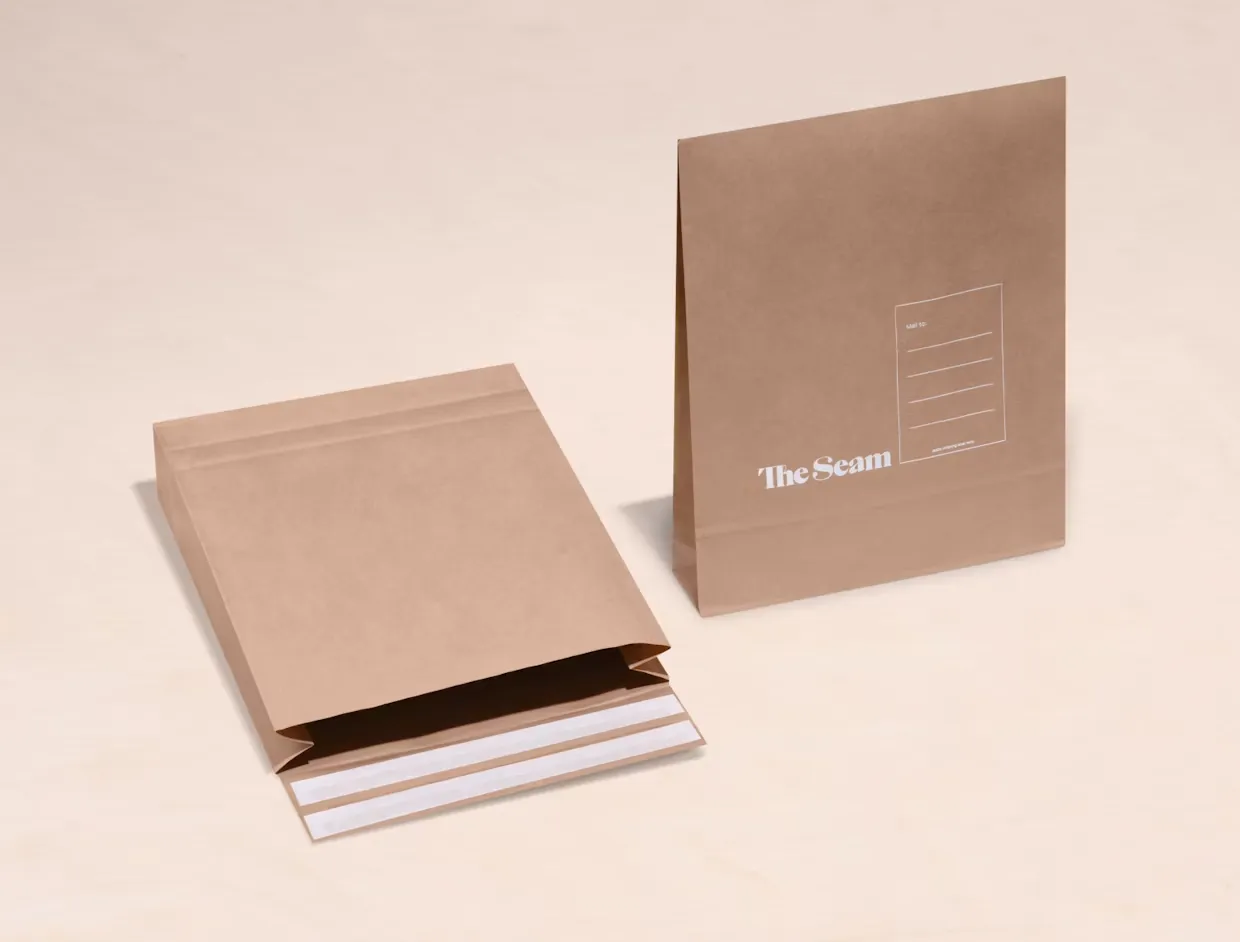
A logo can be printed on the front or top of the box, while additional information can be placed on the sides or back. Depending on the product, the package may also include a website, social media information, product details, care instructions, or other useful content.
The key is to keep the information organized.
A package does not need to display every possible message. Customers should be able to identify the brand and understand the product without having to search through a crowded design.
Kraft Boxes for Food Products
Kraft packaging is commonly associated with food and beverage products.
Businesses selling bakery items, snacks, coffee, tea, dry foods, and takeaway products may use kraft-based packaging for its practical appearance and branding possibilities.
However, food packaging requires more attention than ordinary retail packaging. The selected material, coating, printing system, and interior construction should be appropriate for the intended food application.
If the food comes into direct contact with the packaging, businesses need to make sure the material is suitable for that purpose.
For products requiring moisture or grease resistance, an appropriate barrier or coating may also be necessary.
Candles can also be packaged in kraft boxes, particularly when the brand wants a warm and understated presentation.
A candle box can be customized according to the candle’s diameter, height, weight, and shape.
For fragile glass candle jars, the box may need additional internal support. Inserts can help reduce movement during handling and transportation.
The exterior can then be designed with the brand logo, scent name, candle details, and other relevant information.
Kraft Boxes With Windows
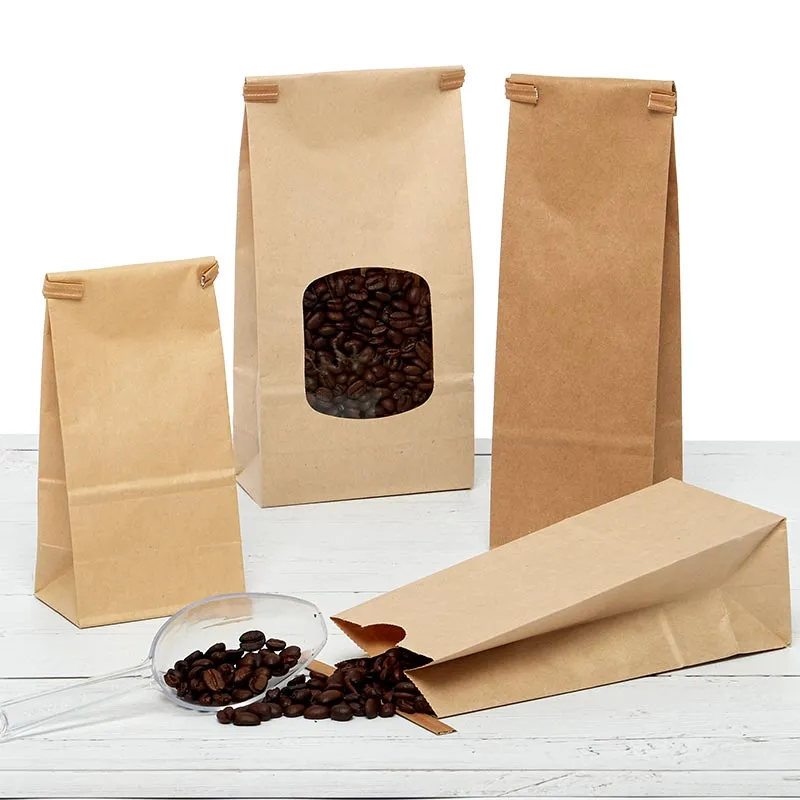
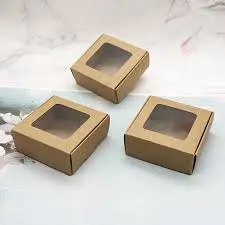
A window can be added to selected kraft box designs to allow customers to see part of the product without opening the package.
This can be useful for products where appearance is an important selling point.
For example, a bakery may want customers to see the shape or decoration of a product. A soap company might display the color and design of a handmade soap. A retail business may want customers to see a product’s texture or finish.
The window should be positioned carefully so that it does not weaken the structure unnecessarily.
Eco-Friendly Packaging Considerations
Kraft packaging is frequently associated with sustainability because kraft paper is paper-based and can be recyclable when appropriate.
However, businesses should avoid treating every kraft box as automatically environmentally friendly.
The actual environmental impact depends on the complete packaging design, including material sourcing, coatings, inks, adhesives, production, transportation, and disposal.
A simple paper-based package with minimal unnecessary components may be easier to manage at the end of its useful life than a package made from multiple bonded materials.
Businesses that want to promote environmental benefits should make accurate claims based on the actual packaging specifications.
Why Simplicity Works With Kraft Packaging
One of the strongest qualities of kraft packaging is its ability to look good without complicated decoration.
A simple logo, clear product name, and carefully selected typeface may be enough.
This approach can also make packaging easier to understand.
Customers should immediately know what the product is and which company made it.
Instead of covering every surface with marketing messages, brands can use the available space thoughtfully.
Good packaging design is often about knowing what to leave out.
Final Thoughts
Custom Kraft Boxes provide businesses with a flexible packaging option that combines a recognizable natural appearance with opportunities for branding and customization.
From soap and candles to cosmetics, food, gifts, and retail products, kraft boxes can be adapted to many applications. Businesses can choose custom dimensions, materials, printing methods, windows, inserts, and finishing options to create packaging that fits their products and brand identity.
The most effective kraft packaging is not necessarily the most complicated. A well-sized box with a clear logo, readable information, suitable material, and thoughtful design can create a strong impression without unnecessary decoration.