Gift Packaging Boxes
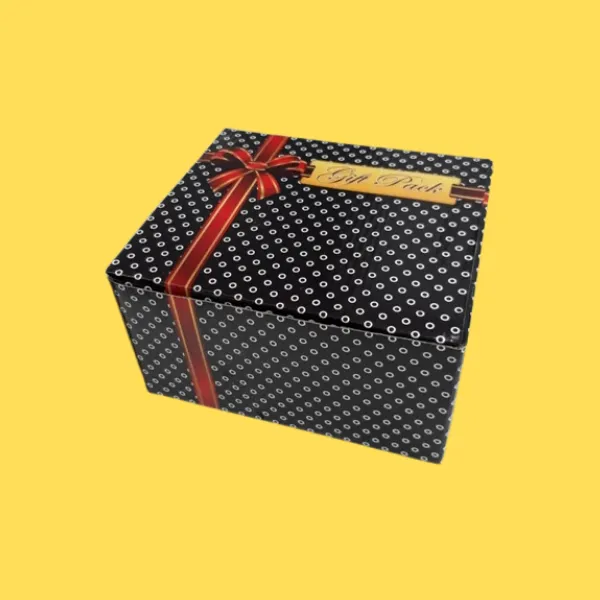
Gift packaging is more than just a wrap — it’s an experience. Whether it’s birthdays, weddings, corporate events, or festive celebrations, the way a gift is presented creates a lasting impression. This is why businesses and individuals rely heavily on custom gift packaging boxes to elevate the value of their products and enhance customer delight.
With trends shifting towards premium aesthetics and sustainable materials, gift packaging has evolved into a competitive branding tool. From rigid luxury boxes to Kraft eco-friendly packaging, brands now use gift boxes not only for protection but also for storytelling, emotion, and identity.
In this detailed guide, we’ll explore the types of gift boxes, materials, customization options, uses, and benefits—to help you understand what makes gift packaging an essential part of modern retail and celebrations.
Why Gift Boxes Are an Essential Packaging Choice
Gift packaging serves multiple purposes beyond simple protection. Here’s why they are widely preferred:
Enhances the Unboxing Experience
Beautiful packaging builds excitement. Customers love well-designed gift boxes that make the moment special.
Adds Perceived Value
Premium packaging instantly increases the product’s market value and creates a luxury feel.
Perfect for Branding
Custom printing, ribbons, colors, and textures allow brands to showcase their identity.
Reusable & Sustainable
Good-quality gift boxes are often kept, reused, and cherished — making your brand memorable.
Ideal for Any Occasion
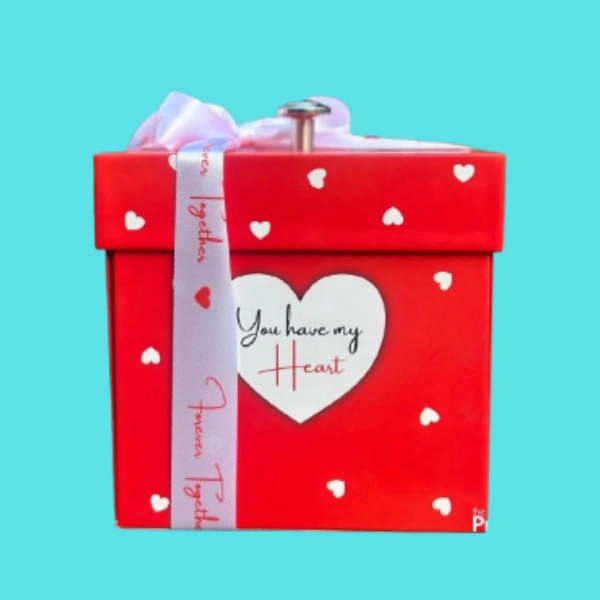
From Valentine’s Day to Christmas and birthday parties to corporate gifting, gift boxes fit all events.
Types of Gift Packaging Boxes
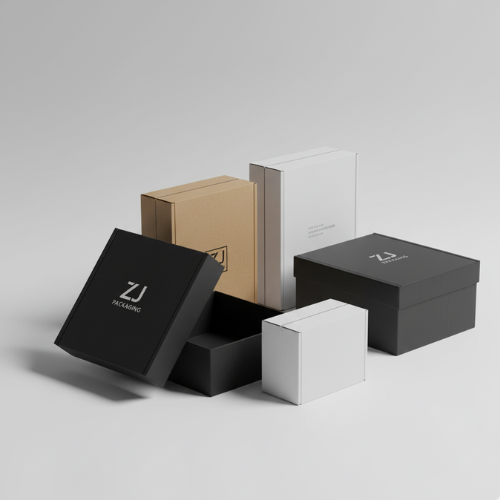
Gift boxes come in several structures, each suited for different types of products and presentation styles. Below are the most popular types used by brands and individuals:
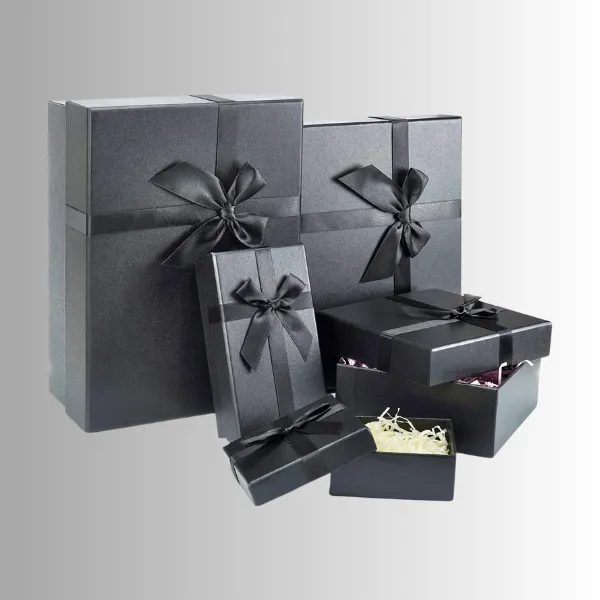
1. Rigid Gift Boxes
Rigid boxes are known for their strength, premium feel, and elite design.
Best For:
- Luxury items
- Perfumes
- Jewelry
- Watches
- Electronics
Features:
- Thick, non-bending material
- Ideal for high-end branding
- Supports foiling, embossing, and magnetic closures
Rigid boxes provide a “premium unboxing moment” and are often used by top brands.
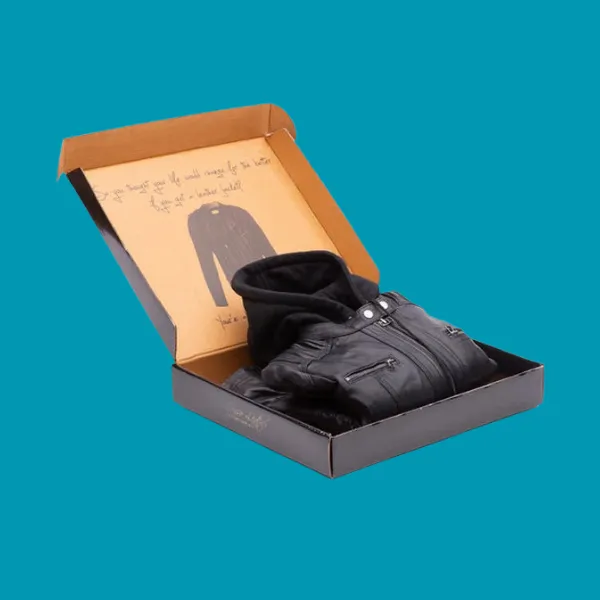
2. Folding Gift Boxes
These boxes combine elegance with convenience. They can be shipped flat and assembled easily.
Best For:
- Clothing
- Handcrafted items
- E-commerce shipments
Benefits:
- Cost-effective
- Lightweight
- Easy to customize
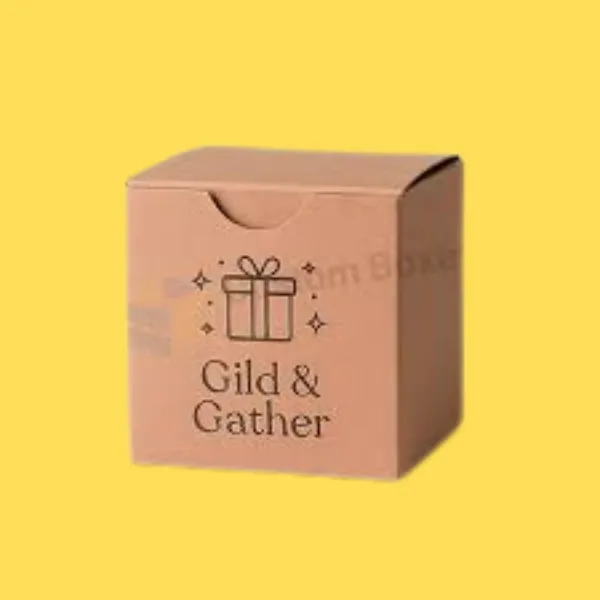
3. Kraft Gift Packaging Boxes
Eco-friendly and rustic, Kraft gift boxes have a natural charm.
Best For:
- Organic products
- Soaps & skincare
- Candle packaging
- Homemade crafts
Advantages:
- Recyclable
- Minimalist aesthetic
- Sturdy and versatile
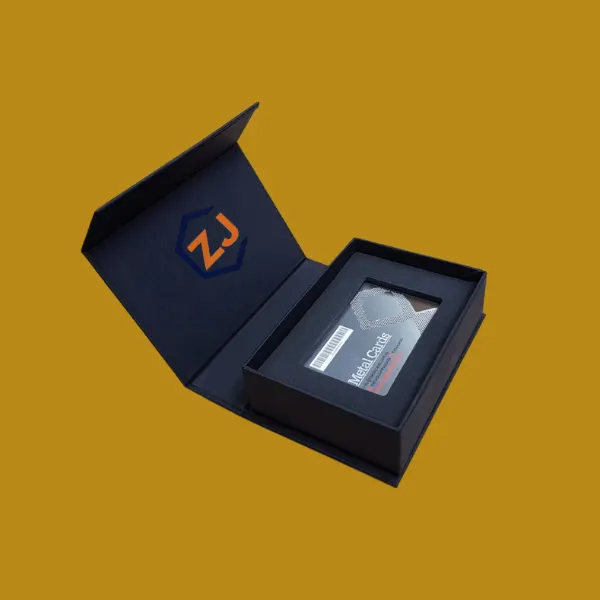
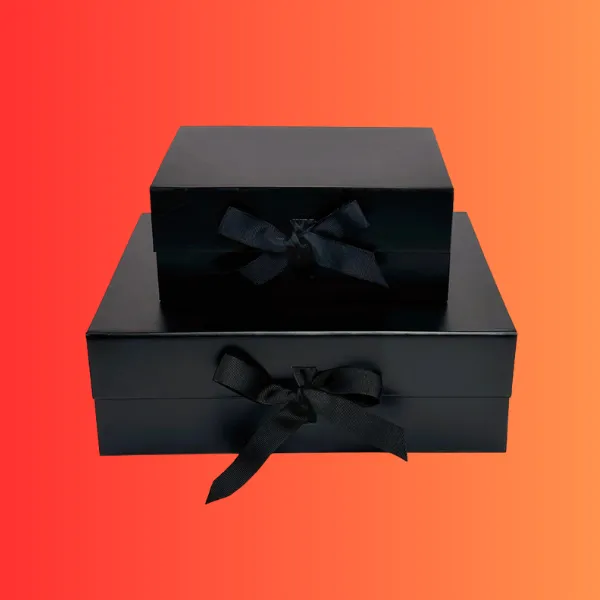
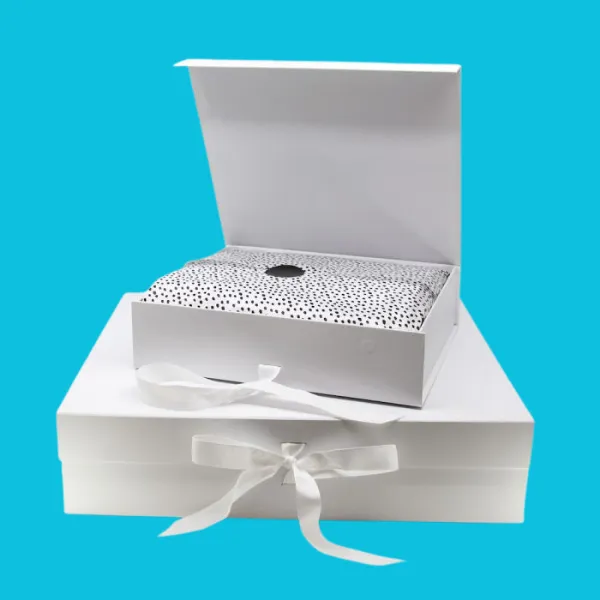
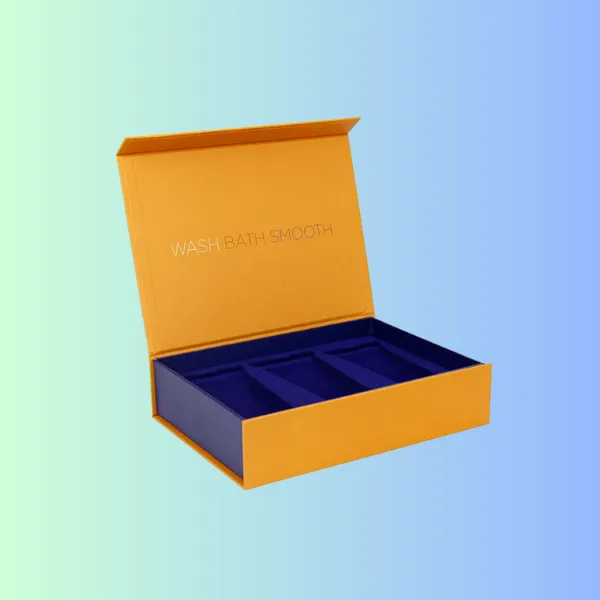
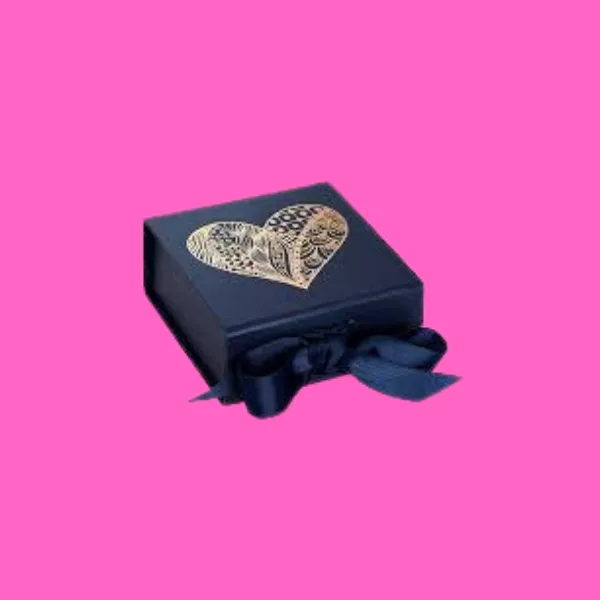
4. Luxury Magnetic Closure Gift Boxes
These rigid boxes come with magnets for a sleek closing.
Best For:
- Corporate gifts
- Premium gift sets
- Jewelry & perfumes
Benefits:
- High-end appearance
- Perfect for brand promotion
- Long-lasting durability
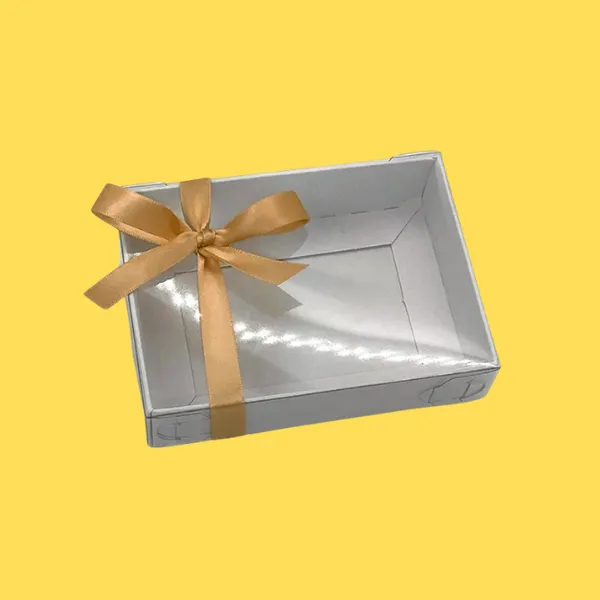
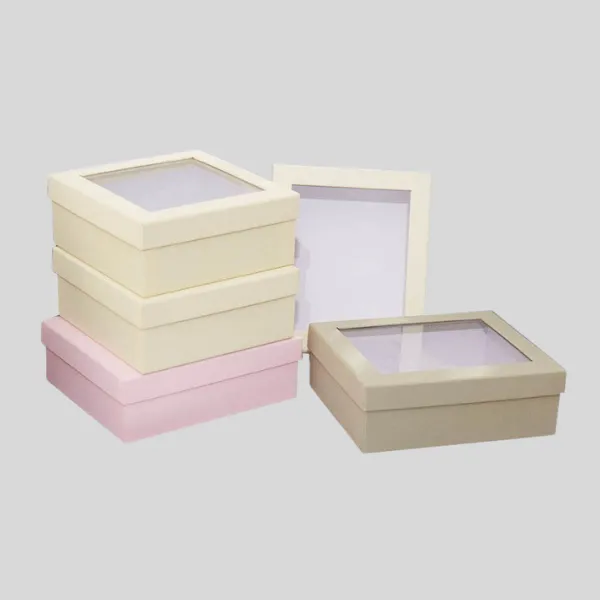
5. Window Gift Boxes
A transparent window showcases the product inside.
Best For:
- Bakery gifts
- Chocolates
- Cosmetics
- Small accessories
Why Use Them:
- Enhances visual appeal
- Helps customers preview the product
- Great for retail display
6. Drawer/Slide-Out Gift Boxes
These boxes open like a drawer, offering stylish and secure packaging.
Best For:
- Chocolates
- Jewelry
- Candle sets
- Gift kits
Benefits:
- Elegant and unique design
- Offers great protection
- Ideal for gifting events
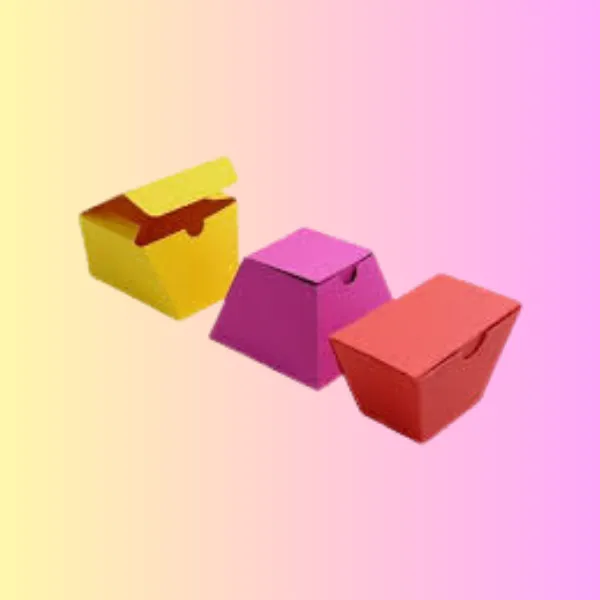
7. Pillow Gift Boxes
Pillow-style boxes are simple yet elegant.
Best For:
- Small gifts
- Jewelry
- Party favors
- Clothing accessories
Features:
- Lightweight
- Cute and stylish
- Affordable for bulk events
Materials Used in Gift Packaging Boxes
The choice of material affects strength, visual appeal, and overall customer experience. The most common materials include:
Kraft Paper
Eco-friendly, rustic, and strong — ideal for sustainable brands.
Cardstock
Smooth and perfect for printing; used for folding boxes.
Rigid Board
High-end material ideal for luxury gift packaging.
Corrugated Board
Used when extra protection is needed for fragile items.
Specialty Paper
Includes textured, metallic, pearl, and linen papers for premium aesthetics.
Customization Options for Gift Boxes
Designing a custom gift box helps a brand stand out. Here are the top customization methods:
Offset Printing
High-quality colors and patterns for professional branding.
Digital Printing
Best for short runs or personalized gift packaging.
Foil Stamping
Gold, silver, rose gold, holographic foiling adds a luxurious touch.
Embossing & Debossing
Creates raised or pressed textures — perfect for logos.
Spot UV Coating
Highlights specific design elements with shine.
Matte or Gloss Lamination
Improves durability and adds a polished finish.
Custom Inserts
Foam or cardboard inserts keep products safe and well-presented.
Popular Uses of Gift Boxes
Gift boxes are used widely in retail and personal gifting. Here are common applications:
Retail & E-commerce
Brands use gift boxes to enhance customer experience and build brand loyalty.
Corporate Gifting
Companies use premium boxes for promotional items, PR kits, and VIP gifts.
Weddings & Events
Bridesmaids’ boxes, favor boxes, and invitation gift sets.
Festive Packaging
Christmas, Eid, Easter, Diwali — all festive gifting demands beautiful packaging.
Luxury Product Packaging
Perfumes, jewelry, skincare, and watches come in premium rigid boxes.
Bakery & Food Gifts
Chocolate boxes, cookie boxes, macaron packaging, and treat boxes.
Why Brands Prefer Custom Gift Boxes
Brands choose gift packaging because it:
- Creates a memorable experience
- Encourages sharing on social media
- Adds value to the product
- Enhances brand visibility
- Attracts new customers
- Builds customer loyalty
- Communicates style and premium quality
Overall, gift boxes are not just packaging — they’re a branding strategy.