Hemp oil packaging carries more weight than most product boxes. The bottles inside are fragile, the liquid is expensive to replace if it leaks, and depending on where you sell, the label itself is subject to rules most packaging buyers never have to think about with, say, a candle or a phone case. Getting the box right isn’t just a branding decision — it affects returns, compliance, and whether the product survives the trip from your warehouse to a customer’s door.
Here’s what actually matters when you’re specifying custom hemp oil boxes, in the order most buyers run into these decisions.
1. Material: Match the Stock to the Product’s Weight and Fragility
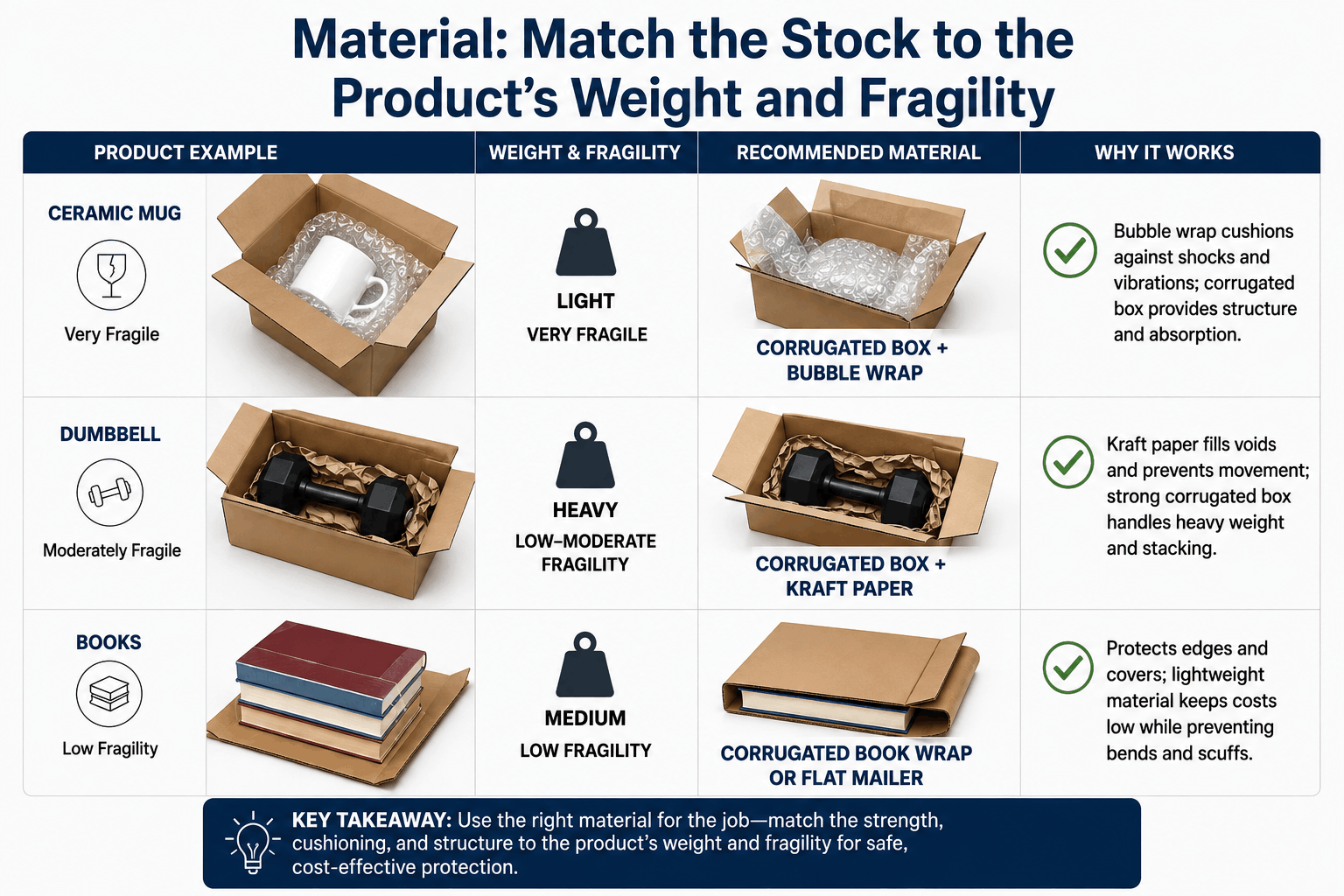
Hemp oil almost always ships in glass or plastic bottles, and the box needs to do two jobs at once: look premium on a shelf and survive a shipping network that doesn’t handle anything gently.
- Rigid boxes give the most protection and the most premium unboxing feel. They’re the standard choice for higher-priced tinctures sold direct-to-consumer, where the packaging is part of the perceived value.
- Corrugated cardboard is the practical choice for anything shipping in volume — it’s cost-effective and holds up well when paired with the right insert.
- Kraft paperboard signals “natural” and “clean” at a glance, which fits hemp branding well, but it’s thinner than rigid stock and usually needs a protective insert to be shipping-safe on its own.
The mistake most brands make is picking material based on how it looks in a mockup rather than how it performs with an actual bottle inside. If the box will travel through a carrier network, test it loaded and sealed before committing to a full print run.
2. Protection: Inserts, Dividers, and Leak Containment
A cracked bottle is the single most expensive packaging failure a hemp oil brand can have — it’s not just a damaged box, it’s a lost product, a refund, and often a lost customer.
- Cardboard or foam inserts hold the bottle in a fixed position so it can’t shift and knock against the box walls during transit.
- Dividers matter for multi-bottle boxes — without them, glass-on-glass contact inside a shaken box is how bottles crack even when the outer box looks fine.
- Leak-conscious design matters more for hemp oil than most liquids, since a leak inside a branded box during shipping ruins the unboxing experience even if the product itself is unaffected. A snug-fit insert reduces this risk more reliably than extra padding alone.
If you’re shipping direct-to-consumer at any volume, budget for insert tooling upfront. It costs more than a plain box, but it costs far less than replacing damaged product and handling the refund requests that come with it.
3. Compliance: Labeling Rules Vary by State and Product Type
This is the consideration that trips up brands moving fast on design and slow on research. Hemp-derived products, including CBD oil, are subject to labeling requirements that vary by state and by whether the product is marketed for ingestion, topical use, or another category. Depending on where you sell, your packaging may need to account for things like clear ingredient disclosure, batch or lot numbers, and QR codes linking to lab results — requirements that a generic “gift box” template won’t have space for.
Before finalizing artwork, confirm the labeling requirements for every state you plan to ship to, not just the one your business is based in. Building the required space into the box design from the start is far cheaper than reprinting a run because a label element got left off.
4. Sustainability: Real Credentials, Not Just Kraft-Colored Paper
Hemp is marketed as a clean, natural product, and customers increasingly expect the packaging to match that positioning. But sustainability claims only hold up if they’re backed by something real — recyclable or biodegradable stock, soy or water-based inks, and minimal unnecessary plastic in inserts or windows.
This matters commercially too: a notable share of consumers say they’ll pay more for products in eco-conscious packaging, and hemp buyers in particular tend to notice when packaging doesn’t match the brand’s stated values. If sustainability is part of your pitch, make sure the box backs it up rather than just gesturing at it with a brown color palette.
5. Branding and Finish: What Actually Reads as Premium
Printing and finish decisions can make comparable boxes feel like completely different products in a customer’s hands.
- Printing method — offset for large runs where color consistency across thousands of units matters; digital for smaller runs or when you need a fast turnaround.
- Finish — matte reads as understated and premium; gloss draws more attention on a shelf; soft-touch lamination adds a tactile quality that a lot of higher-end hemp oil brands lean on specifically because it feels different from the average retail box.
- Structural details — a window cutout can build trust by letting customers see the bottle before opening, but only if the bottle itself looks good enough to be shown.
The finish should match how and where the product sells. A box designed to be handled and photographed for social media benefits from different choices than one that just needs to survive a shipping box and get opened once.
6. Cost and Minimum Order Quantity
Custom tooling, especially for inserts or a unique box structure, comes with setup costs that only make sense at a certain volume. Before locking in a design, get real numbers on:
- Minimum order quantity and whether it fits your actual sales volume, not just your ambitions for it
- Per-unit cost at different order sizes — the price curve on custom packaging is rarely linear, and a modest increase in order size can meaningfully lower the per-box cost
- Lead time, especially if you’re planning around a launch date or seasonal demand
Smaller brands sometimes over-invest in structural complexity (inserts, custom die-lines, foil accents) before they’ve validated demand at scale. It’s usually smarter to start with a strong but simpler design, prove sales, and add complexity once volume justifies the tooling cost.
Getting the Balance Right
None of these six considerations work in isolation. A rigid box with a premium finish doesn’t matter if the insert lets the bottle crack in transit. A fully compliant label doesn’t matter if the box damages easily enough that customers never see it. The brands that get hemp oil packaging right treat it as one decision with six moving parts, not six separate choices made by six different people at six different points in the process.