My aunt makes soap. Has for like six years now, sells it at two markets and a small online shop. Last winter her sales were kind of flat, nothing terrible, just stuck. She didn’t change her recipe or her prices, just switched up how she packaged the bars, and within a couple months people were actually mentioning the packaging in comments and DMs. Didn’t expect that honestly.
So if your soap business feels a bit stuck too, or you’re just starting out and don’t know where to even begin with packaging, here’s eight ideas that actually work, not just stuff that looks nice on Pinterest.
Why Packaging Matters More Than People Think For Soap Specifically
Soap’s a weird product in one way – people can’t smell it or touch it before buying online, and even in person a lot of stores keep it wrapped so customers can’t just handle every bar. So the packaging is doing a ton of the talking here. It’s basically your only shot at convincing someone before they’ve even used the thing.
It’s Not Just About Looking Pretty
A lot of small soap makers think packaging’s just decoration, something you slap on after the actual product’s done. It’s really more like part of the sale itself. Good packaging can make a $6 bar feel worth $12, bad packaging can make a genuinely great bar feel cheap.
1. Kraft Paper Wraps With a Simple Belly Band
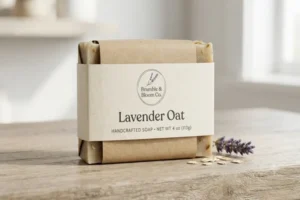
This one’s cheap and looks way better than it should. Wrap the bar in plain kraft paper, then wrap a thin printed band around the middle with your logo and maybe the scent name.
Costs next to nothing per unit but gives off this handmade, artisan feel that a lot of customers are actually drawn to these days, especially with soap where “natural” and “handmade” sell themselves.
Good For
Brands leaning into a natural, minimal, farmhouse kind of look. Works great if you’re selling at markets too since it’s quick to wrap in bulk before an event.
2. Custom Printed Soap Boxes
A step up from just wrapping, actual small boxes with your branding printed right on them. These protect the soap better during shipping too, which matters if you’re selling online and dealing with couriers who aren’t always gentle.
Where This Really Helps
If you’re shipping soap by mail, a proper box beats paper wrap by a mile. Wrap alone can tear open in transit, and then you’ve got a bar of soap rattling around loose in a shipping envelope, which isn’t a great first impression.
3. Clear Window Boxes
Boxes with a small cutout or a clear plastic window so customers can actually see the soap without opening anything. This solves that whole “can’t touch or smell it” problem a little, at least visually.
People like seeing texture, color, any little herbs or flecks in the soap. A window does that job without you needing photography for every listing.
Where This Works Best
Soap with visible texture, swirls, or embedded stuff like oatmeal or dried flowers. If your bar’s just a plain solid color, a window doesn’t really add much, honestly.
4. Minimalist Labels on Plain Bars
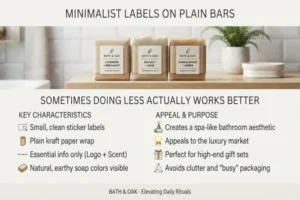
Sometimes doing less actually works better. Just a plain wrapped bar with a small, clean sticker label, maybe just your logo and the scent, nothing else going on.
This suits a certain kind of buyer, the type who wants their bathroom looking like a spa, not cluttered with busy packaging everywhere.
Good For
Higher-end soap brands, gift sets, anything positioned as “luxury” rather than “budget-friendly natural soap.”
5. Eco-Friendly Compostable Wraps
Basically the same idea as kraft paper but going a step further with fully compostable or biodegradable wrap material, sometimes even seed paper that customers can plant afterward.
Why This Actually Gets Noticed
A decent chunk of soap buyers already care about sustainability, since they’re avoiding harsh chemicals and mass-produced stuff to begin with. Compostable packaging fits that mindset perfectly, it’s not some random add-on, it actually matches why they’re buying handmade soap in the first place.
6. Soap Boxes With a Story Printed Inside
Print a small paragraph on the inside of the box lid or on an insert card, something about the ingredients, where they came from, or just why you started making soap. People genuinely read these, more than brands expect.
Why This Works So Well For Small Brands
Big commercial soap brands can’t really do this, there’s no personal story behind a factory. Small makers actually have one, and customers connect with that. It’s basically free brand-building printed right into the packaging.
7. Stackable or Gift-Set Style Boxes
Instead of packaging one bar at a time, design boxes meant to hold three or four bars together as a set. Great for gifting season, and honestly a lot of customers buy multiples anyway once they find a scent they like.

Where This Boosts Sales
Holiday season mainly, but also just general gift-buying year round. People are way more likely to buy a nicely packaged set as a gift than three loose bars wrapped separately.
8. Textured or Embossed Packaging
A little more premium, this one. Kraft boxes or paper with an embossed logo or pattern pressed into the surface, so it’s not just printed flat, there’s actual texture to feel.
Why It’s Worth the Extra Cost
For soap specifically, texture on the packaging kind of mirrors the whole tactile, sensory thing soap already is. Customers who care about that sensory experience tend to notice and appreciate this detail more than you’d expect for something as small as a logo stamp.
A Quick Word on Picking What’s Right For Your Brand
You don’t need to do all eight of these at once, that’d probably cost a fortune and confuse your branding anyway. Pick one or two that actually match what your soap’s about. A rustic, natural bar suits kraft wraps and compostable stuff way more than it’d suit a glossy printed box, and a luxury bar probably wants the opposite.
Final Thoughts
Packaging isn’t the thing that’ll save a soap business on its own, but it’s not nothing either. My aunt’s bars didn’t change, her customers did, just because the box told a slightly better story than before. Worth trying at least one of these if things feel a bit stuck right now.