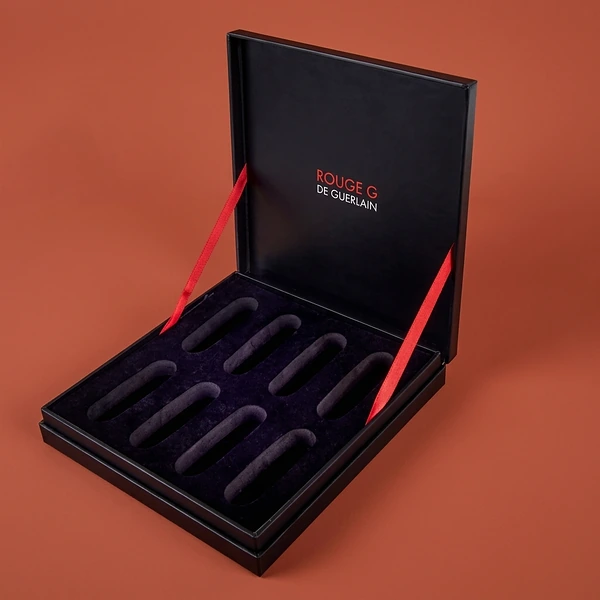

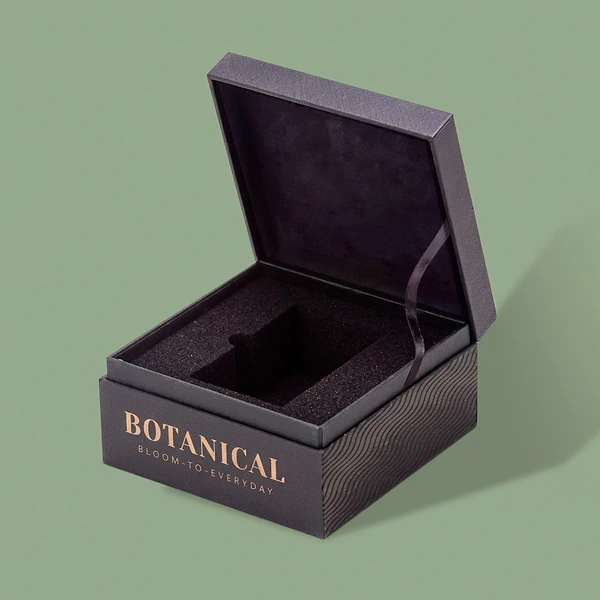

Description
Hinged Presentation Boxes: A Practical Guide for Brands That Care About the Unboxing
Think about the last time you opened a box and paused before touching what was inside. Chances are the lid swung open on a hinge, the product sat in a snug bed of velvet or foam, and for a second it felt like something was being presented to you. That feeling is exactly why hinged presentation boxes are still the first choice for jewelry, watches, awards and premium gifts.
This guide is written for anyone thinking about ordering them. We make these boxes every day at ZJ Packaging, so we will cover what actually matters: how they are built, what to choose, what pushes the price up, and where buyers usually go wrong.
What Makes a Box a “Hinged” Presentation Box?
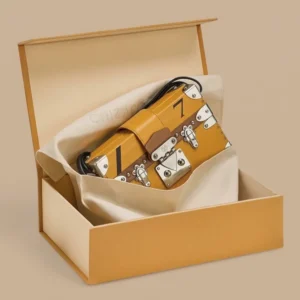
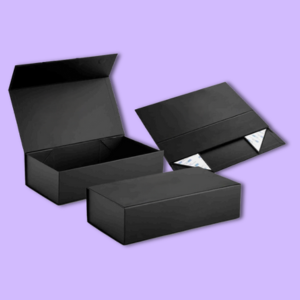
A hinged presentation box has a base and a lid joined along one long edge, so the lid opens like a book and stays attached. Most are made from rigid greyboard wrapped in printed paper, and inside there is a fitted insert that holds the product in place.
The hinge is more than a design feature. A lift-off lid leaves you holding two pieces, and the product has to wait while you work out where to put the lid. A hinged lid opens once and the product is on display straight away. For a ring, a pen or a flash drive, that single motion is the whole experience.
Hinged vs Other Rigid Box Styles
Buyers often ask how this style compares with the alternatives. Here is the short version.
| Style | How it opens | Best for | Feel |
| Hinged box | Lid swings open on one edge | Jewelry, watches, awards, gifts | Elegant, ceremonial |
| Lift-off lid box | Lid comes off completely | Apparel, gift sets, larger items | Classic, sturdy |
| Magnetic flap box | Flap folds open, closes with magnets | Beauty, subscription boxes | Modern, sleek |
| Drawer box | Tray slides out of a sleeve | Cosmetics, stationery, small gifts | Playful, layered |
If the product is small and the moment of opening matters, hinged is usually the strongest fit.
Getting the Materials Right
The board. Rigid boxes are typically built on greyboard somewhere between 1.5mm and 3mm thick. Thinner board keeps costs down and suits lighter products. Thicker board feels substantial in the hand and resists crushing, which is worth paying for with watches and heavier gifts.
The wrap. This is the paper or fabric on the outside, and it sets the personality of the box.
- Coated art paper prints colours sharply and suits detailed brand artwork.
- Soft-touch laminate has a velvety matte surface that people tend to keep stroking without realising it.
- Textured and specialty papers give a handmade, premium feel and work well with simple one-colour logos.
- Leatherette and fabric push the box toward luxury and are common for watches and executive gifts.
The lining. The inside paper or fabric is often forgotten, but it is the first thing the customer sees on opening. A contrasting colour, a satin lining or a simple printed pattern makes the reveal feel intentional.
Inserts: Where the Product Is Won or Lost
An insert does three jobs. It protects the product, it holds it in the right position, and it decides how the product looks when the lid opens.
Foam inserts are cut to the shape of the item and give dependable protection. Velvet and fabric-wrapped inserts look richer, particularly with jewelry and crystal items. Paperboard inserts are lighter, cleaner and a good choice if sustainability is part of your brand story.
Fit is everything. A product that rattles makes the box feel cheap, and one that is too tight is frustrating to remove. We always ask for the real product or exact dimensions before production starts. Even a one or two millimetre difference can change how the whole box closes.
Think about extras at this stage too. A slot for a certificate, a warranty card or a thank-you note costs very little and makes the package feel complete.
Printing and Finishing Options
Small boxes reward restraint. These are the finishes we use most, and what each one does well:
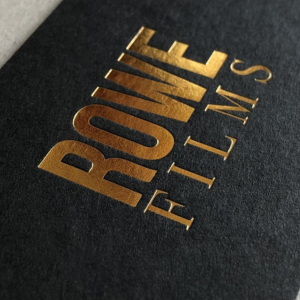
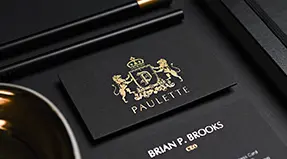
- Hot foil stamping in gold, silver, rose gold or a colour gives crisp, reflective logos.
- Embossing and debossing raise or press the design so people can feel it.
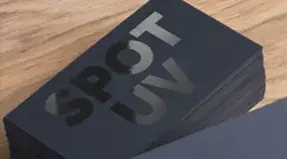
- Spot UV adds a glossy highlight on a matte surface, good for patterns and logos.
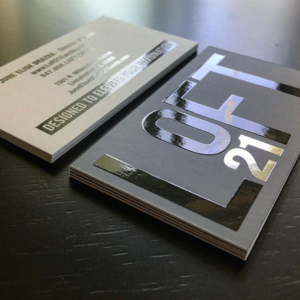
- Edge painting colours the edges of the board for a clean, finished look.
- Ribbon pulls and thumb notches make the contents easier to lift and add a small tactile detail.
A common mistake is using all of them together. A lid the size of a paperback covered in foil, gloss, embossing and pattern looks busy and loses the premium feel you were after. One strong finish, plus good colour choice and generous space around the logo, usually looks better than five competing ones.
What Affects the Price?
People are often surprised that two boxes of the same size can cost very different amounts. The main factors are:
- Quantity. Setup costs are spread across the run, so unit prices fall as quantities rise.
- Board thickness and wrap material. Fabric and specialty papers cost more than standard printed paper.
- Insert type. Velvet-covered or multi-layer inserts take more work than a simple foam cut-out.
- Finishing. Every extra process adds time and cost.
- Structure. Magnetic closures, custom shapes and multiple compartments add complexity.
If you need to control the budget, put your money into the insert and one well-placed foil logo. Those two choices change the look and feel more than anything else.
Industries That Use Hinged Presentation Boxes
You will see them across many sectors: jewelers and watchmakers, photographers and videographers who deliver files on crystal or wooden flash drives, award and trophy suppliers, corporate gifting teams, perfume and skincare brands, and event organisers handing out commemorative items. What these have in common is a product that is small, valuable or personal, and a customer who should notice that care was taken.