Description
Custom Booklet Box with Inserts: The Smart Way to Package and Present Your Products
Most customers form an opinion about your brand within seconds of picking up the package. A plain shipping carton says “order received.” A well-made custom booklet box with inserts says “we care about the details.” If your product deserves a little extra attention, this style of packaging is worth a serious look.
What Is a Custom Booklet Box with Inserts?
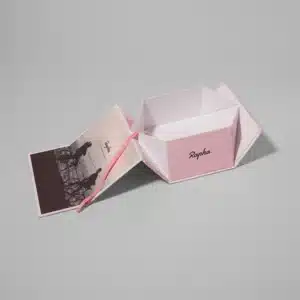
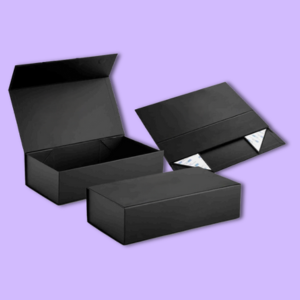
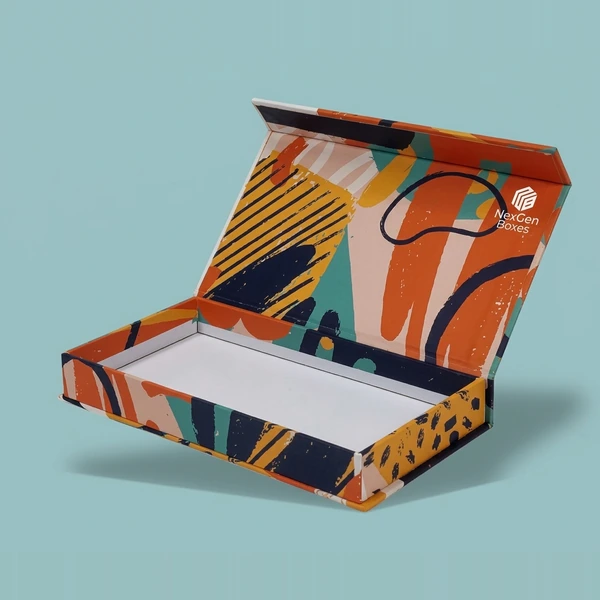
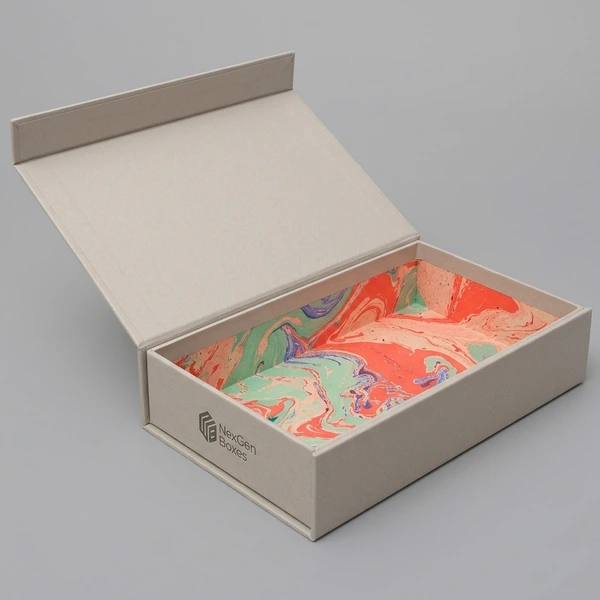
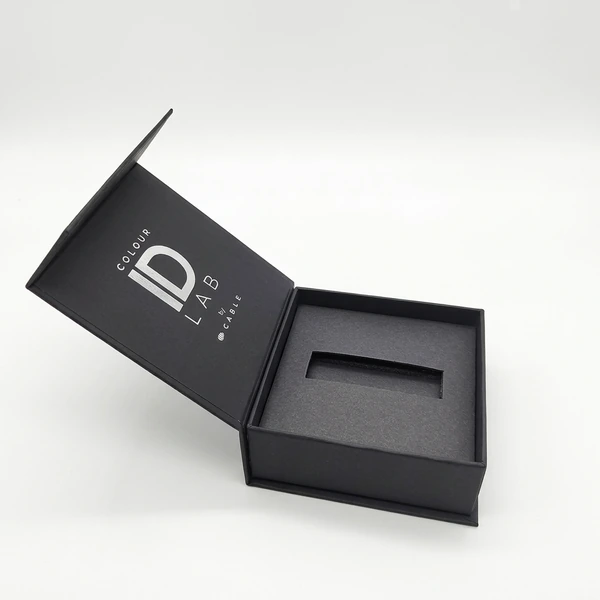
A booklet box looks and opens like a book. The front cover swings open on a hinge, usually held shut with a magnetic flap or a ribbon, and a spine runs along one side. Inside, you get panels and compartments where the product sits. The “inserts” are the custom-cut holders, trays, and cards that keep each item secure and neatly arranged.
Think of it as a cross between a gift box and a presentation folder. It protects what’s inside, and it also tells a story as the customer opens it, page by page.
How It Differs from a Regular Rigid Box
A standard rigid box has a lid and a base, and the customer lifts the lid straight off. A booklet box opens sideways, so the reveal feels slower and more deliberate. It also gives you two inner surfaces to work with, one on each side, instead of just one. That extra space is useful for both product placement and branding.
Common Types of Inserts
The insert is what separates an average box from a professional one. The right choice depends on what you’re packing and how it will travel.
Foam Inserts EVA or EPE foam is cut to the exact outline of your product. It’s the go-to option for fragile or high-value items like electronics, watches, and instruments.
Cardboard and Paperboard Inserts Lightweight, recyclable, and budget-friendly. These work well for cosmetics, stationery, candles, and food items.
Velvet and Flocked Inserts A soft, fabric-like surface that gives jewelry, perfume, and luxury gifts a high-end look. It also protects delicate items from scratches.
Printed Information Inserts Thank-you cards, care instructions, product catalogs, or QR code leaflets that sit in their own slot inside the booklet.
Which One Should You Pick?
If protection is your top priority, go with foam. If sustainability matters to your audience, choose paperboard. If presentation is everything, velvet is hard to beat. Many brands combine two types in one box, for example a velvet tray for the product and a paperboard slot for a card.
Why Brands Are Choosing Booklet Boxes Over Standard Packaging
Packaging used to be an afterthought. Today it’s part of the product itself. Here’s why more businesses are making the switch.
A Better Unboxing Experience
Social media changed how people receive products. Customers film themselves opening packages, and a booklet box gives them something worth filming. The slow reveal, the tidy layout, and the feeling of turning a “page” add up to a moment people want to share.
Strong Product Protection
Every item gets its own fitted space, so nothing slides or knocks around during shipping. That means fewer damaged goods, fewer returns, and fewer unhappy reviews.
Room to Tell Your Brand Story
The inside covers, flaps, and insert cards are perfect spots for your logo, a short brand message, or a personal note. You’re not just shipping a product; you’re starting a relationship.
Reusable and Keepsake Value
People rarely throw away a good-looking booklet box. They keep it for storage, reuse it for gifts, or display it on a shelf. Every time they see it, your brand stays in their mind.
Where Custom Booklet Boxes Work Best
This packaging style fits more industries than most people expect.
Beauty and Skincare Sets of serums, creams, and tools look organized and premium in a booklet layout. Inserts keep bottles upright and stop leaks from spreading.
Jewelry and Accessories Rings, necklaces, and watches need soft, secure holders. Velvet or foam inserts make the product feel special from the very first glance.
Corporate Gifts and PR Kits Influencer mailers and employee welcome kits benefit from the structured, book-style presentation. Each item has its place, and the whole kit looks thoughtful rather than thrown together.
Subscription Boxes Monthly boxes need to feel fresh every time. Swappable inserts let you update the layout without redesigning the entire box.
Stationery, Collectibles, and Limited Editions Planners, pens, trading cards, and special releases feel more valuable when they’re presented like a collector’s item.
How to Plan a Booklet Box That Actually Works for Your Product
A good booklet box doesn’t start with artwork. It starts with a few simple questions about your product, your customer, and the way the box will be used. Answer these first, and the rest of the project goes much more smoothly.
Start with the Customer’s First Moment
Picture your customer opening the box for the first time. What should they see first? What should they feel? A skincare brand might want a calm, clean reveal with the hero product centered. A tech brand might prefer a bold layout with the device front and center and accessories tucked underneath. Deciding this early shapes everything from the box size to the insert layout.
Choose the Right Structure for the Contents
Not every product needs the same setup. A single item like a perfume bottle works well with one fitted tray on the right and a message card on the left. A multi-item set, such as a gift kit, may need two or three compartments of different depths. Count your items, note their heights, and tell your supplier exactly how you want them arranged.
Think About Weight and Closure
Heavier products need a stronger hinge and a firmer closure. Magnetic closures feel premium and work well for most items, while ribbon closures give a softer, more elegant look for lighter products like stationery or jewelry. Pick the closure that matches both the weight of the contents and the mood of your brand.