Description
Credit Card Presentation Box: How to Make a Strong First Impression with Every Card
A credit card is a small piece of plastic or metal, but for the customer it often represents trust, status, and a new financial relationship. The way that card arrives matters. A thin envelope with a card slipped inside feels forgettable. A well-made credit card presentation box feels like an event. If you want your card to feel as valuable as the account behind it, the packaging is a smart place to start.
What Is a Credit Card Presentation Box?
A credit card presentation box is a custom-made package designed to hold one or more payment cards, along with the paperwork, welcome notes, and accessories that go with them. Banks, fintech companies, and card issuers use these boxes mostly for premium products such as metal cards, black cards, and exclusive membership programs.
Unlike a standard mailer, a presentation box is built to be opened slowly and appreciated. It usually has a fitted insert that holds the card in place, space for a welcome letter, and a finish that matches the brand’s identity.
How It Differs from a Regular Card Mailer
A regular mailer is made to be torn open and thrown away. A presentation box is made to be kept. It uses rigid board instead of thin paper, and it has a proper structure that protects the card from bending, scratching, or sliding around. The difference is easy to feel the moment someone picks it up.
Why Card Issuers Are Investing in Presentation Boxes
Packaging used to be the last thing banks thought about. That has changed, especially as competition for premium customers has grown.
It Makes the Card Feel More Valuable
When a customer receives a heavy metal card in a plain envelope, the weight and quality get lost in the experience. A presentation box gives the card the stage it deserves and reinforces the premium positioning of the product.
It Strengthens Brand Recognition
The box carries your logo, colors, and message directly into the customer’s hands. Every time they see it on a desk or shelf, the brand stays fresh in their mind.
It Encourages Activation and Use
A card that arrives with a clear welcome message and simple activation steps is more likely to be activated quickly. A good box can hold a short guide, a QR code, or a personal note that points the customer toward the next step.
It Protects Cards During Delivery
Metal and plastic cards can bend or scratch if they are loosely packed. A fitted insert keeps the card flat and secure through postal and courier handling.
Popular Styles of Credit Card Presentation Boxes
There is no single best style. The right one depends on your audience, card type, and budget.
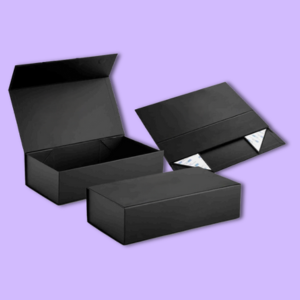
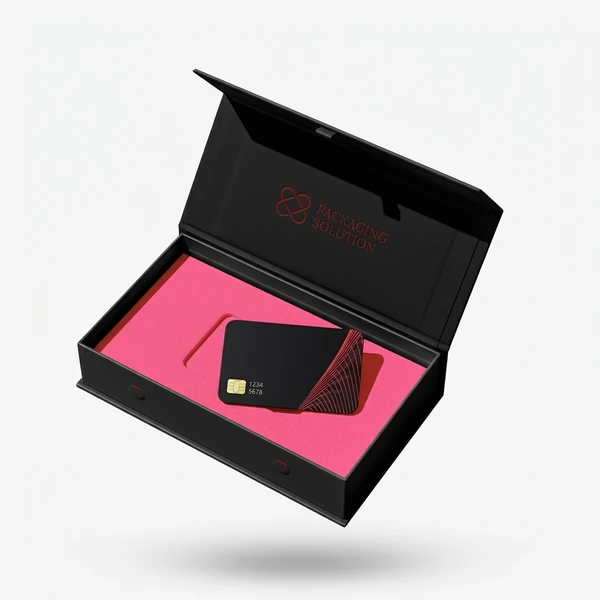
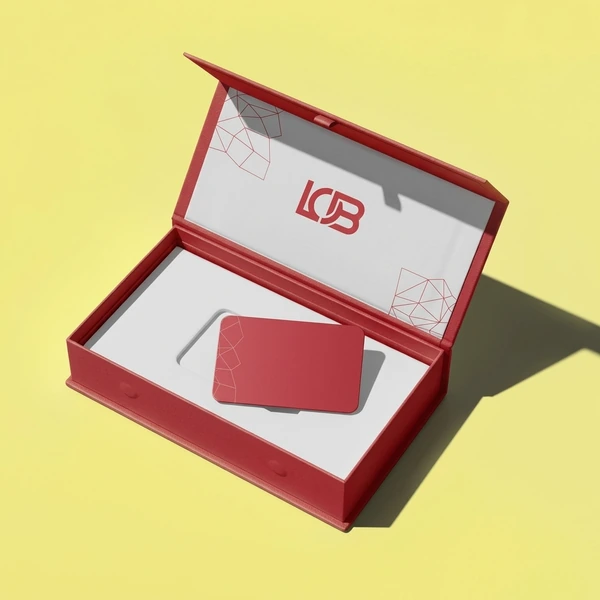
Rigid Magnetic Boxes These boxes have a lid that closes with a hidden magnet. They look clean and modern, and they are popular for metal and premium cards.
Booklet or Book-Style Boxes The box opens like a book, with the card on one side and the welcome letter or terms on the other. This layout keeps everything organized and gives you two inner surfaces for branding.
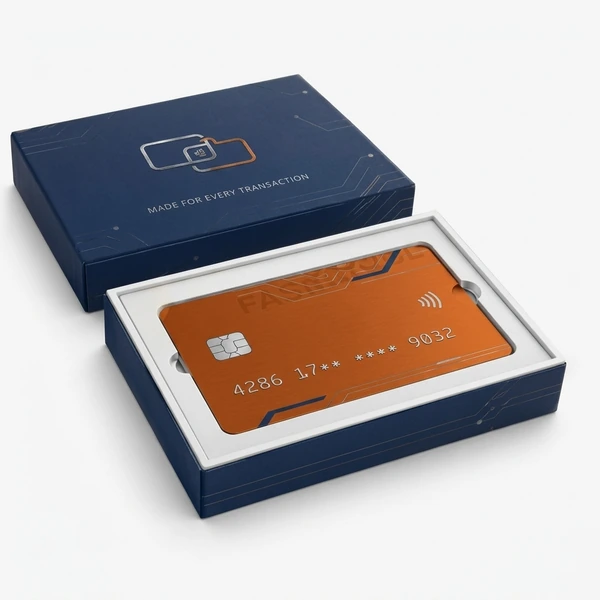
Slide-Out Sleeve Boxes A tray slides out of an outer sleeve, creating a smooth, controlled reveal. It suits brands that want a sleek, minimal look.
Folder-Style Presentation Cases Similar to a document folder, these have a slot for the card and a pocket for printed material. They work well for welcome kits and corporate card programs.
Which Style Is Right for You?
If your card is a flagship product, choose a rigid magnetic or booklet box for maximum impact. For high-volume programs with lower costs per unit, a folder or sleeve style often balances quality and budget better.
Choosing the Right Insert for a Credit Card
The insert is what keeps the card secure and presentable. Even the best-looking box feels cheap if the card slides around inside.
Die-Cut Cardboard Inserts A slot is cut to the exact size of a standard card, usually 85.6 mm by 54 mm. It is affordable, recyclable, and works well for most programs.
Foam Inserts Foam gives a firmer hold and a slightly softer, cushioned feel. It is a good choice for heavier metal cards.
Velvet or Fabric-Covered Inserts These add a luxurious touch and help the card stand out visually. They suit high-end and invitation-only products.
A Quick Tip on Fit
The card should sit snugly but come out easily with a gentle push. If it is too tight, customers struggle to remove it. If it is too loose, it moves in transit.
Materials That Suit Credit Card Boxes
The material you choose affects the box’s durability and how it feels in the hand.
Rigid Greyboard This is the standard for premium presentation boxes. It is strong, holds its shape, and gives the box a quality weight.
Recycled and Kraft Board If sustainability is part of your brand message, recycled board offers a responsible option without losing structure.
Wrapped Paper and Fabric The outer covering can be a printed paper, textured stock, or soft fabric. This is where much of the box’s personality comes from.
Design Tips for a Premium Look
A great presentation box does not need to be loud. A few thoughtful choices make a big difference.
Keep the Layout Simple Let the card be the hero. Use clean space, a clear logo, and a limited color palette so nothing competes with the card for attention.
Think About the Opening Moment Plan what the customer sees first when the box opens. A short welcome line printed inside the lid or a neatly placed card holder creates a smooth, memorable reveal.
Include Useful Extras Add a welcome letter, activation instructions, or a card carrier with the customer’s name. These small details make the package feel personal rather than mass-produced.
Security and Compliance Considerations
Because credit cards are sensitive items, the packaging should support safe delivery. Use plain outer cartons that do not advertise what is inside, along with tamper-evident seals. Many issuers also work with packaging partners that follow secure handling and storage standards. Always confirm your supplier can meet the requirements set by your bank or card network.