

Description
Membership Card Box: Make Every New Member Feel Like They Belong
A membership card is more than a piece of plastic. It is proof that someone has joined your club, gym, spa, loyalty program, or private community. The way that card reaches the member sets the tone for the entire relationship. A card dropped into a thin envelope feels like an afterthought, while a well-made membership card box feels like an invitation. If you want new members to feel valued from day one, the packaging deserves real attention.
What Is a Membership Card Box?
A membership card box is a custom package designed to hold one or more membership cards, along with a welcome note, a booklet of benefits, or a small gift. It is built to the exact size of the card and the extras that go with it, so everything sits neatly and arrives in good condition.
These boxes are used by gyms, golf and country clubs, hotels, airlines, retail loyalty programs, professional associations, and subscription communities. The more exclusive the membership, the more important the box becomes, because the packaging is often the first physical proof of that exclusivity.
How It Differs from a Standard Card Holder
A standard card holder or envelope protects the card for a short time, then gets thrown away. A membership card box is meant to be kept. It uses firmer materials, a fitted structure, and a design that reflects your brand. Members often store the box with their other valued items, which means your logo stays visible long after the card is activated.
Why Organizations Invest in Membership Card Boxes
First impressions shape how members feel about what they have paid for. When someone joins a premium club or program, they expect the experience to match the price. A thoughtful box shows that the organization pays attention to detail, and that feeling carries over into how members view the service itself.
Packaging also supports retention. A member who feels welcomed and appreciated is more likely to renew, use the benefits, and recommend the program to friends. A good box can include a short welcome message and clear instructions, which helps new members get started quickly and reduces questions to your support team.
There is a protective benefit as well. Cards that arrive bent, scratched, or damaged reflect poorly on the brand. A fitted box keeps the card flat and secure through postal and courier handling, so every member receives it in perfect condition. For metal or specialty cards, this protection matters even more.
Popular Styles of Membership Card Boxes
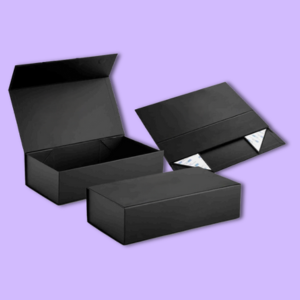
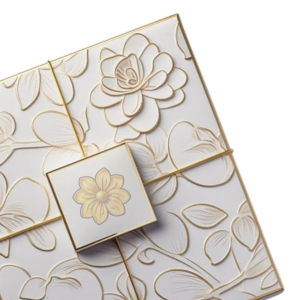
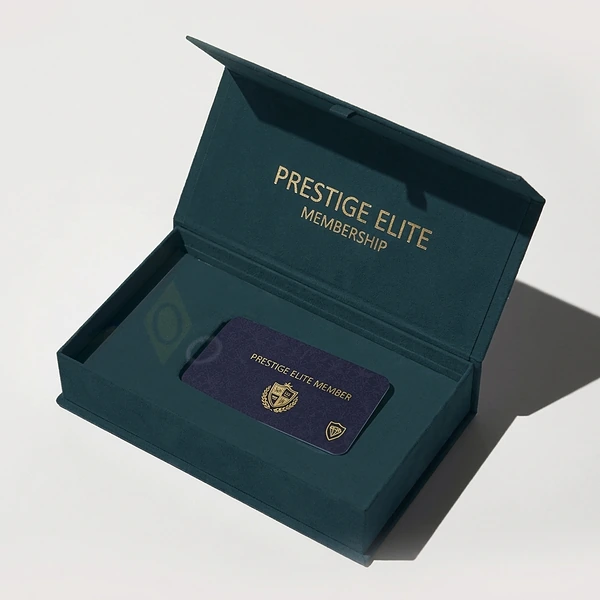
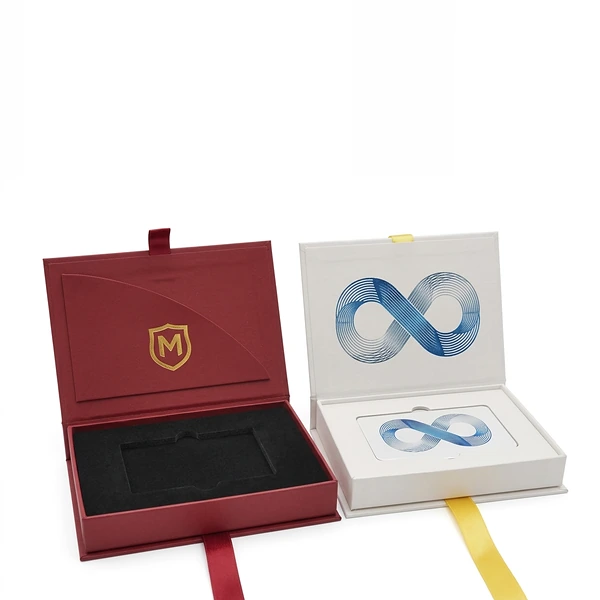
The right style depends on how premium your program is and how many cards you send out. Rigid magnetic boxes are a favorite for high-end memberships. They close with a hidden magnet, feel sturdy in the hand, and give the card a proper stage. Booklet style boxes open like a book, with the card on one side and a welcome letter or benefits guide on the other, which keeps everything organized in one place.
Slide-out sleeve boxes have a tray that glides out of an outer sleeve, creating a smooth and controlled reveal. They suit brands that prefer a clean, minimal look. Folder style cases include a slot for the card and a pocket for printed material, and they work well for large programs where cost per unit matters. Lighter folding cartons are the most affordable option and can still look polished with good printing and a neat insert.
Which Style Should You Choose?
For exclusive, invitation-only memberships, a rigid magnetic or booklet box gives the right sense of occasion. For high-volume loyalty programs, a folder or folding carton balances quality and budget more sensibly.
Choosing the Right Insert for Membership Cards
The insert keeps the card in place and makes the inside of the box look organized. Even the most beautiful box feels cheap if the card slides around. A die-cut paperboard insert is the most common choice, with a slot cut to the standard card size of about 85.6 mm by 54 mm. It is affordable, recyclable, and works well for most programs.
Foam inserts give a firmer hold and a slightly cushioned feel, which suits heavier metal cards. Velvet or fabric-covered inserts add a luxurious look that fits private clubs and premium memberships. If you include extras such as a keychain, a welcome letter, or a small gift, ask for a multi-compartment layout so each item has its own space.
A good fit matters. The card should sit snugly but come out easily with a gentle push. If it is too tight, members will struggle to remove it, and if it is too loose, it will shift during transit.
Materials That Suit Membership Card Boxes
Material affects both durability and the feel of the box. Rigid greyboard is the standard for premium versions. It is strong, holds its shape, and gives the box a quality weight that members notice immediately. Paperboard works well for larger programs where cost matters, and it is easy to print on.
Kraft and recycled board are good options for brands that want a natural look or need to highlight sustainability. The outer wrapping, whether it is printed paper, textured stock, or fabric, gives the box its personality, so choose something that reflects the character of your organization. A sports club might prefer a bold, glossy look, while a private lounge might choose a soft, matte finish in a deep color.
Design Tips for a Premium Membership Experience
The best designs are simple and confident. Let the card be the star by using clean space, a clear logo, and a limited color palette. Too many patterns or messages can make the box feel busy and take attention away from the card itself.
Think carefully about the opening moment. What should the member see first when they lift the lid? A short welcome line printed inside the cover, or a neatly placed card with the member’s name, creates a smooth and memorable reveal. Personalization is a powerful touch, and even a simple printed name makes the package feel made for one person rather than mass-produced.
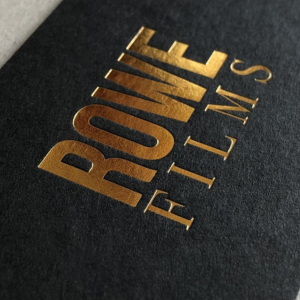
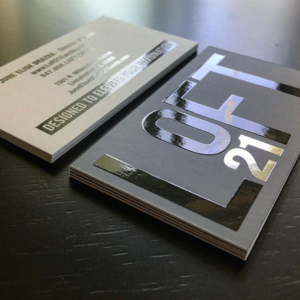
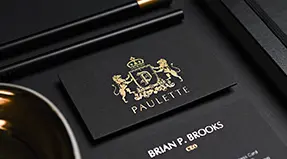
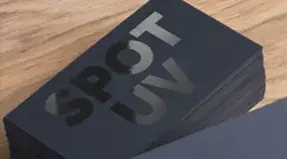
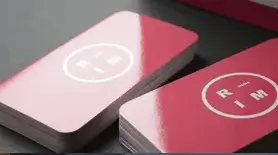
Color should match your brand and your audience. Deep navy, black, and burgundy suggest exclusivity, while brighter tones suit fitness clubs and youth programs. Finishes such as foil stamping or embossing can highlight the logo, but a little goes a long way. One or two well-chosen details usually look more refined than a box covered in effects.
Practical Considerations Before You Order
Before placing an order, confirm the exact size and thickness of your card, especially if it is made of metal or has a raised design. List everything that will go inside the box so your supplier can plan the layout correctly. It is also wise to request a physical sample, because a sample shows you how the insert holds the card, how strong the closure feels, and whether the print quality matches your expectations.
Delivery is another point to consider. Use a plain outer carton that does not advertise what is inside, and add a tamper-evident seal if the cards are sensitive. For large mailings, ask your supplier whether they offer assembly, packing, and fulfillment services, which can save your team a lot of time.