

Description
Embossed Boxes: Add Texture, Depth, and Luxury to Your Packaging
In my ten years in the packaging industry, I have seen many finishing techniques come and go, but few have the lasting appeal of embossed boxes. The raised design catches the light, invites the customer to touch it, and tells them the product inside is something special. Printing can only be seen, but embossing can be felt, and that extra sense makes your packaging far more memorable.
Whether you sell skincare, jewelry, or chocolates, a well-planned embossed design gives your brand a quiet but powerful edge over competitors. In this guide, I will explain how embossing works, which options are available, and how to get the best result for your budget.
What Are Embossed Boxes?
How Embossing Works
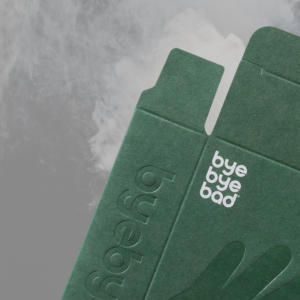
Embossing is a finishing process in which a metal die presses a design into the box from behind, so the logo, pattern, or text rises above the surface. The result is a three-dimensional effect that adds depth without needing extra colors or materials. It works on rigid boxes, folding cartons, sleeves, and many other packaging styles, which makes it a flexible choice for almost any brand.
Embossing vs Debossing
Debossing is the opposite process, where the design is pressed into the surface so it sits lower than the rest of the box. Embossing feels bold and prominent, while debossing looks subtle and understated. The right choice depends on the personality of your brand, and some designs even combine both techniques on the same box for a layered effect.
Why Brands Choose Embossed Boxes
A Premium Look and Feel
Customers judge a product within seconds, and texture plays a big part in that judgment. When someone runs a finger over a raised logo, they naturally connect that quality to the product itself. This helps you build a high-end image even if your brand is still young and does not yet have a big reputation.
Stronger Brand Recognition
A raised logo stands out more than a flat one because it catches light and shadow from different angles. Customers notice it, remember it, and recognize it the next time they see your packaging. Over time, this repeated recognition builds a clear and consistent brand identity that people trust.
Elegance Without Clutter
You do not need loud colors or busy graphics when you use embossing well. A single raised logo on a clean, plain box often looks more sophisticated than a heavily printed design. In my experience, the simplest designs are usually the ones customers remember longest.
Types of Embossing to Consider
Blind Embossing
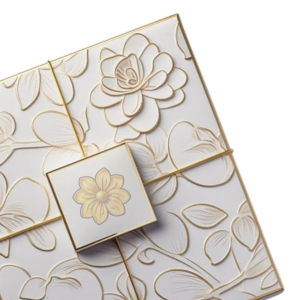
Blind embossing raises the design without any ink or foil, so the effect comes purely from texture. It gives a quiet, elegant look that suits luxury brands, wedding stationery, and minimalist packaging. The design becomes visible through light and shadow alone, which makes it feel refined and confident.
Foil and Embossing Together
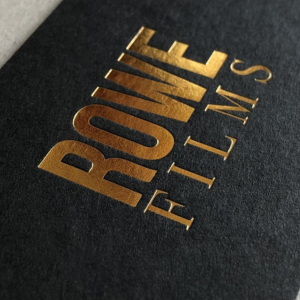
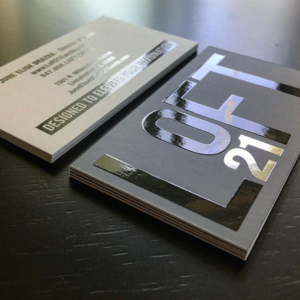
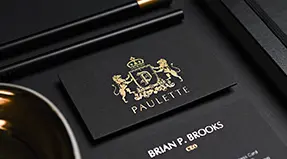
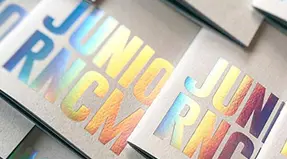
Combining embossing with gold, silver, or rose gold foil creates a striking result. The foil adds shine while the raised surface adds depth, so the logo seems to lift off the box. This is one of the most popular choices for cosmetics, jewelry, and gift packaging because it delivers a strong visual impact.
Multi-Level Embossing
For detailed artwork, multi-level embossing creates different heights within one design. Floral patterns, crests, and fine illustrations look especially rich with this method. It costs more than simple embossing and needs a more skilled die maker, but the final effect is much more dramatic.
A Tip From Experience
Keep fine lines and tiny text out of the embossed area. Very thin details can lose their shape when pressed, so bold logos and clean shapes always give the best result. If your logo is detailed, ask your supplier to simplify it slightly for embossing.
Best Materials for Embossed Boxes
Rigid Board and Premium Paper
Thick rigid board wrapped in quality paper holds embossed details sharply for years. This makes it the top choice for luxury gift boxes, perfume packaging, and jewelry cases. The firm surface also supports deeper embossing without cracking or losing shape.
Kraft and Textured Stocks
Kraft paper gives embossed designs a natural, earthy look that suits organic and handmade brands. Textured papers such as linen or cotton finishes add extra character and a tactile quality. These materials work well when you want a warm, crafted feel instead of a glossy one.
Industries That Use Embossed Boxes
Cosmetics and Skincare
Beauty brands use embossed boxes to give serums, creams, and gift sets a refined and trustworthy look. A raised logo suggests care and quality, which is exactly what customers want from products they apply to their skin. It also helps new brands compete with established names on crowded shelves.
Jewelry, Watches, and Fashion
Luxury items need packaging that matches their value. Embossing adds the finishing touch that makes a ring, watch, or accessory feel truly special when the lid is opened. The texture also adds a sense of craftsmanship that customers associate with premium products.
Food, Chocolates, and Candles
Premium chocolates, tea, and scented candles look more valuable in embossed packaging. It works especially well for seasonal gift boxes, where presentation matters as much as the product. A raised pattern on the lid can make a simple assortment feel like a thoughtful gift.
Design Tips for Better Results
Choose a Bold Focal Point
Select one element, usually your logo or a key pattern, to emboss. When everything is raised, nothing stands out. A single focal point guides the eye and gives the box a confident, balanced look that feels intentional rather than crowded.
Pair Embossing with the Right Finish
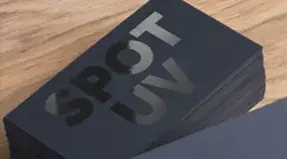
Embossing looks excellent with matte lamination because the soft surface highlights the raised areas. It also pairs well with spot UV or foil when you want contrast. Choose the combination that fits your brand personality instead of using every option at once, because restraint is what makes a design look expensive.
Always Approve a Sample
Texture is difficult to judge on a screen, so request a physical sample before full production. It lets you check the depth of the emboss, the sharpness of the edges, and how the design feels in your hand. This small step can save you from costly corrections later and gives you confidence before a large order.
How to Prepare Your Artwork
Send Vector Files
Embossing dies are made from precise outlines, so always provide your logo in a vector format such as AI, EPS, or PDF. Low-quality images can lead to blurry edges and uneven raised areas. Clean files help your supplier create an accurate die on the first attempt.
Leave Enough Space
Give the embossed design some breathing room from the edges and folds of the box. If the design sits too close to a fold, the board may crack or the shape may distort. A little extra margin keeps the result clean and professional.
Are Embossed Boxes Worth the Cost?
Embossing adds a little to the price because it needs a custom die and an extra production step. However, the return is usually clear. The box looks more expensive, customers feel more confident about the product, and your brand gains a stronger presence on the shelf. Many brands find they can price their products higher once the packaging matches the quality inside.
Because embossing is part of the box itself, it never fades, rubs off, or peels. Your logo stays sharp for as long as the box exists, so the investment keeps working long after the first sale. Since the die can be reused for future orders, repeat production also becomes more affordable.