Description
Custom Foam Inserts: Reliable Protection for Products and Packaging
Protecting valuable products during storage, handling, and transportation requires more than a strong outer box. Items can shift, collide, or become damaged when there is not enough support inside the packaging. Custom foam inserts provide a practical solution by creating a fitted interior that holds products securely in place and helps reduce the risk of impact damage.
From delicate electronic equipment to precision tools, medical devices, promotional gifts, and industrial components, foam inserts can be designed around the specific shape and protection requirements of different products. For businesses that ship valuable or fragile items, choosing the right internal packaging can improve product presentation while making transportation more secure.
Why Custom Foam Inserts Matter in Product Packaging
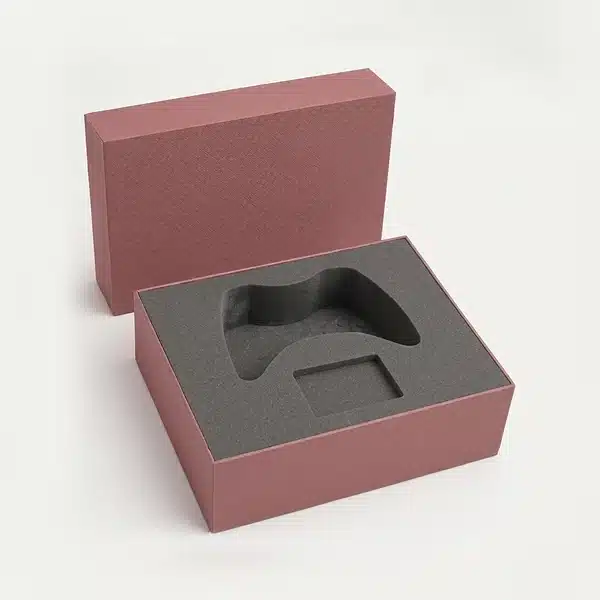
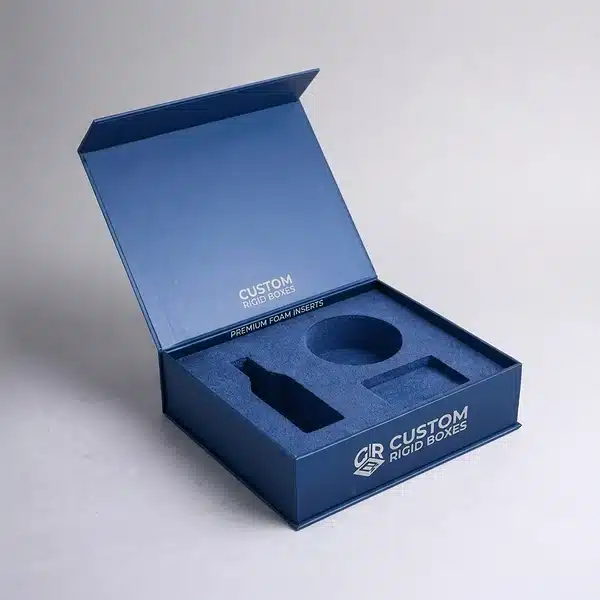
Foam inserts are internal packaging components made from cushioning materials that are shaped or cut to accommodate particular products. They fit inside a box, case, or container and provide support around the items being packed.
Unlike loose filling materials, custom foam packaging creates designated spaces for individual products. This arrangement helps limit movement and keeps accessories, components, and delicate parts organized during transit.
Minimize Movement and Impact Damage
Products can experience vibration, sudden movement, and accidental impacts while being transported. A properly designed foam insert helps hold an item in position and absorbs some of the energy generated by these forces.
The level of protection depends on the foam material, its thickness and density, the product’s weight, and the design of the insert. Fragile items may require additional cushioning or a carefully engineered layout to provide adequate support.
For businesses shipping sensitive equipment or high-value products, selecting an insert based on actual product requirements is more effective than relying on a generic foam sheet.
Keep Multiple Components Organized
Many products come with cables, accessories, replacement parts, tools, or instruction manuals. Placing everything in a single compartment can make the package difficult to organize and increase the possibility of items rubbing against one another.
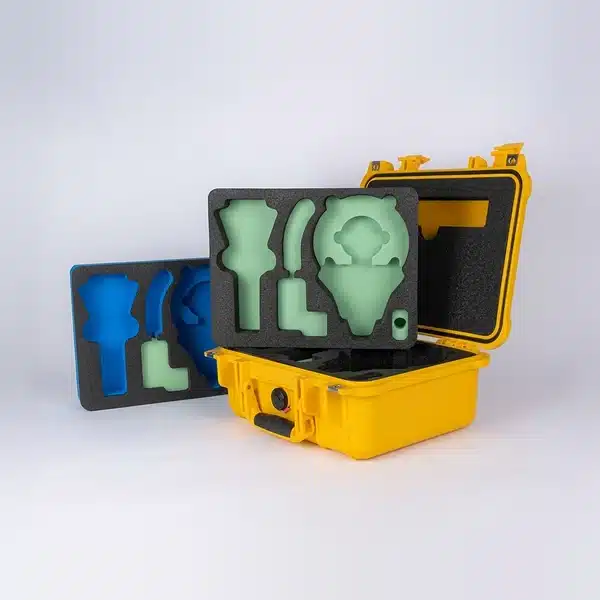
Custom foam inserts provide separate cavities for individual components. Each item has a designated position, making packing and unpacking easier for employees, customers, and service technicians.
This arrangement is particularly useful for product kits, equipment cases, sample collections, and technical toolboxes.
Understanding Different Foam Materials
Not all foam materials offer the same performance. The right option depends on the product’s weight, fragility, environmental conditions, budget, and intended packaging application.
Polyethylene Foam for Firm Support
Polyethylene (PE) foam is known for its relatively firm structure, durability, and resistance to moisture. It is commonly considered for applications requiring reliable cushioning and support.
Its structure can work well for heavier equipment, industrial components, protective cases, and products that need a more substantial foam insert. PE foam can also be fabricated into specific shapes to accommodate different product designs.
The appropriate density and thickness should be selected according to the item’s weight and the level of protection required.
Polyurethane Foam for Lightweight Cushioning
Polyurethane (PU) foam is generally softer and more flexible than many firmer packaging foams. It can be suitable for lightweight products, delicate accessories, presentation cases, and applications where a softer cushioning surface is desirable.
Depending on the foam grade, it may provide a smooth and attractive interior for display packaging or storage cases. However, softer foam is not automatically the best choice for every fragile item. Product weight, compression, and handling conditions should all be considered before selecting a material.
EVA Foam for Premium Presentation
Ethylene-vinyl acetate (EVA) foam is often selected for its smooth finish, resilience, and ability to maintain a neat, structured appearance. It is frequently used in carrying cases, presentation kits, electronic accessories, and premium product packaging.
EVA inserts can be cut or shaped to create clean compartments around specific items. They are particularly useful when a business wants the interior of its packaging to look organized while providing support for the contents.
The choice between PE, PU, EVA, and other cushioning materials should be based on the intended application rather than appearance alone.
Industries That Benefit from Custom Foam Inserts
Custom foam packaging serves a wide range of industries because products differ considerably in shape, weight, fragility, and handling requirements.
Electronics and Technology Equipment
Electronic devices and accessories may contain delicate components that require careful handling. Custom inserts can accommodate instruments, cables, adapters, controllers, and other equipment while keeping each component separated.
For sensitive electronics, the packaging design may also need to address electrostatic discharge (ESD). Standard foam should not be assumed to provide ESD protection; appropriate conductive or static-dissipative materials may be necessary for susceptible components.
Medical Instruments and Laboratory Equipment
Medical and laboratory equipment often requires a precise arrangement to keep instruments stable and accessible. Foam inserts can be designed for diagnostic tools, testing equipment, reusable instruments, and specialized accessories.
Material selection is especially important in these applications. Packaging requirements may include compatibility with cleaning procedures, controlled environments, or particular storage conditions. Foam packaging alone does not make a product sterile or guarantee compliance with medical packaging standards.
Industrial Tools and Mechanical Components
Manufacturers, maintenance teams, and engineering businesses often need packaging that keeps tools and machine components organized. Custom inserts can provide individual spaces for measuring instruments, replacement parts, repair kits, and specialized equipment.
A fitted interior can also make it easier to identify missing components during inspections or inventory checks. For heavier items, the insert should be designed to support the load without excessive compression or loss of shape.
Retail Products and Premium Gift Sets
Custom foam inserts are also useful for presentation-focused packaging. Watches, glass items, cosmetic collections, promotional products, and branded gifts can be arranged neatly inside boxes or protective cases.
A well-fitted insert helps prevent items from shifting and creates a more deliberate presentation when the package is opened. Businesses can choose a foam color and finish that complements the product and the overall packaging design.
What Determines the Quality of a Custom Foam Insert?
A good foam insert is not simply a piece of material cut to the product’s outline. Its performance depends on accurate measurements, suitable cushioning properties, and the way it interacts with the outer packaging.
Accurate Measurements and Cavity Design
The first step is to determine the dimensions of each item, including any protruding parts, handles, connectors, or delicate surfaces. The design must account for how the product will be inserted and removed without creating unnecessary pressure.
Cavity depth, clearance, spacing between components, and the thickness of the surrounding foam all influence the finished result. For products with several accessories, a detailed layout helps ensure that every component has enough room.
Density, Thickness, and Load Requirements
Foam density and foam firmness are different properties. Density describes the mass of foam per unit volume, while firmness relates to how much force is required to compress it under specified conditions.
Both can affect packaging performance, but neither should be selected in isolation. A foam insert that is too soft may allow excessive movement, while an unsuitable firm material may not cushion a delicate product effectively.
For valuable or particularly fragile products, prototype testing and appropriate drop or vibration testing can help evaluate whether the insert provides sufficient protection.