Description
Custom Bonbon Boxes: Elegant Packaging for Chocolates and Confectionery
Small confectionery products can make a lasting impression when they are presented in beautiful packaging. Bonbons, with their delicate shapes, rich flavors, and decorative finishes, deserve packaging that protects their quality while highlighting their visual appeal. Custom bonbon boxes help chocolate makers, confectionery brands, bakeries, and gift businesses present their products in an attractive and professional way.
Whether you sell handmade chocolates, filled bonbons, seasonal treats, or luxury confectionery collections, the right packaging can improve product presentation and support your brand identity. From compact boxes for individual treats to premium gift packaging for assorted chocolates, customized designs allow businesses to create packaging that suits their products and customers.
For brands looking to develop distinctive confectionery packaging, ZJ Packaging provides an opportunity to explore packaging options tailored to product dimensions, branding requirements, and presentation goals.
The Role of Packaging in the Bonbon Business
Bonbons are often purchased as gifts, special treats, or premium confectionery products. Their packaging therefore needs to do more than simply contain the chocolates. It should help preserve the products, communicate important information, and create an appealing presentation at the point of sale.
Protecting Delicate Chocolate Creations
Bonbons may feature thin chocolate shells, soft fillings, decorative toppings, or carefully applied finishes. Poorly fitted packaging can allow these products to move during transportation, increasing the risk of damage to their shape or appearance.
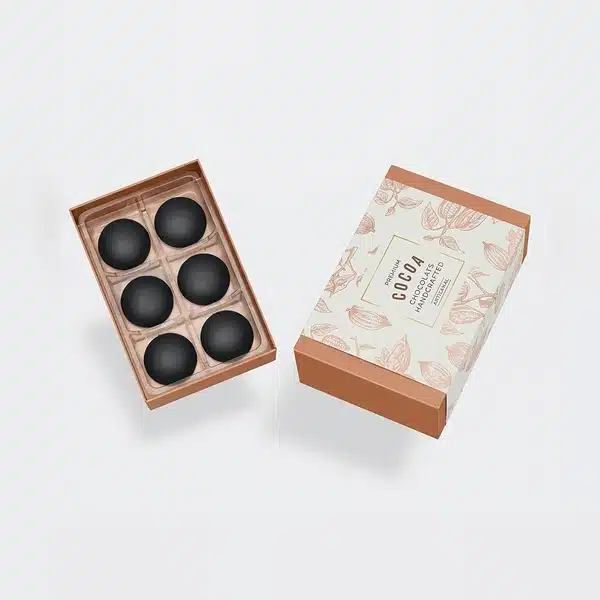
Custom bonbon boxes can be designed with individual compartments or fitted inserts that help keep each piece in position. The size and spacing of these compartments should match the dimensions of the chocolates so they remain secure without being difficult to remove.
Chocolate is also sensitive to temperature and storage conditions. While a suitable box can provide physical protection, businesses should consider the chocolate formulation, storage instructions, and transportation environment to help maintain product quality.
Making a Strong Impression at Retail Stores
In confectionery retail, presentation can influence how customers perceive a product. A thoughtfully designed bonbon box can make handmade chocolates look more polished and help distinguish a brand from competing products.
Clear product identification, attractive colors, consistent branding, and a well-organized interior can all contribute to a better customer experience. For premium chocolate businesses, packaging can become an important part of the product’s overall presentation.
Custom Bonbon Box Styles for Different Products
Every confectionery business has different packaging requirements. The best box style depends on the number of chocolates, their size, the intended selling price, and whether the product is designed for everyday retail or gifting.
Individual and Assorted Bonbon Boxes
Small boxes are suitable for individual bonbons, sample collections, and compact chocolate gifts. They allow businesses to introduce new flavors or offer smaller portions without requiring oversized packaging.
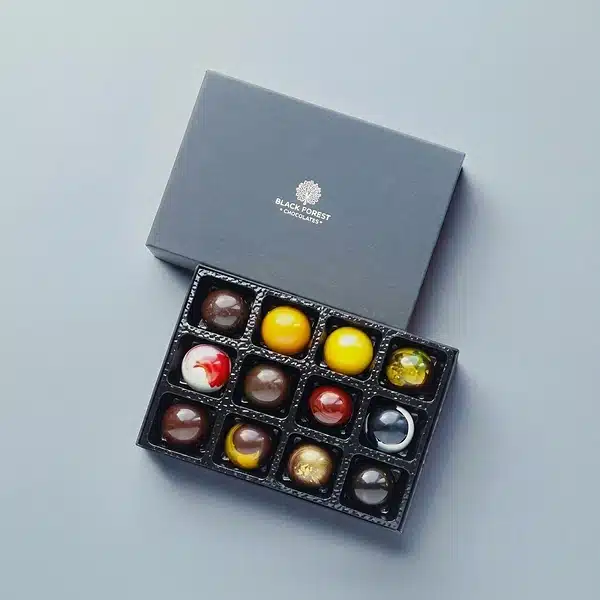
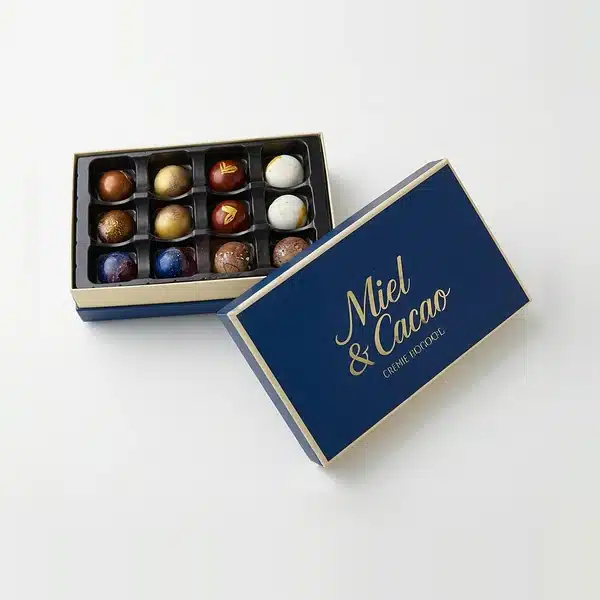
Assorted bonbon boxes, on the other hand, can accommodate several flavors in a single package. Dividers or individual cavities help separate different varieties and maintain a neat arrangement. Brands can also use printed inserts to identify flavors or provide a brief description of the collection.
This format works well for chocolate boutiques, tasting sets, promotional gifts, and limited-edition confectionery products.
Luxury Boxes for Premium Chocolates
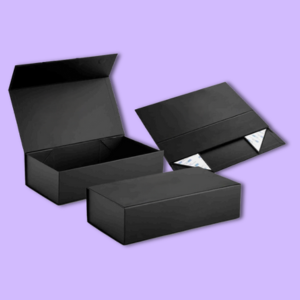
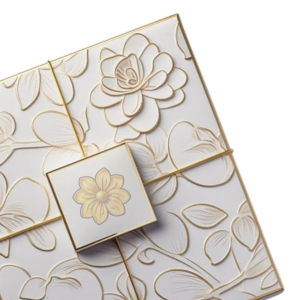
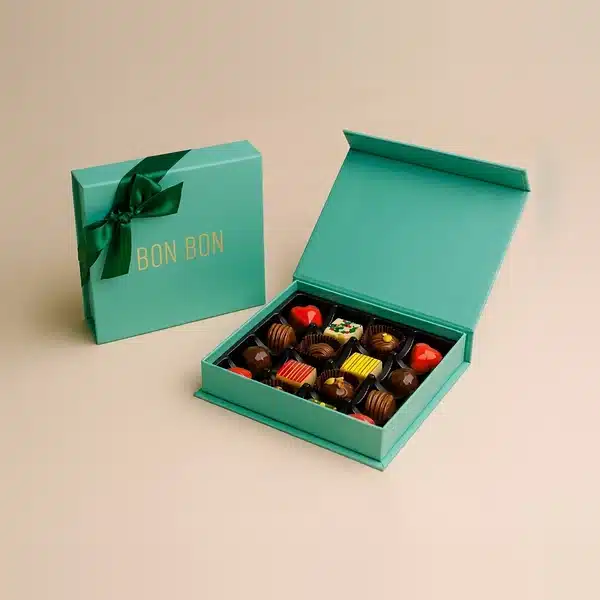
Luxury bonbon boxes are designed for brands that want a more refined presentation. Rigid box structures, premium paper coverings, magnetic closures, and decorative finishes can help create an upscale appearance.
These boxes are particularly suitable for holiday gifts, wedding favors, corporate gifting, and premium chocolate collections. Depending on the design, businesses can incorporate subtle metallic details, elegant typography, or custom-colored interiors.
The key is to choose a design that complements the chocolates without making the packaging unnecessarily complicated or expensive.
Seasonal and Event-Based Packaging
Seasonal packaging gives confectionery brands an opportunity to refresh their presentation throughout the year. Valentine’s Day, Christmas, weddings, anniversaries, and corporate events can all create demand for specially designed bonbon collections.
Custom printed boxes can feature event-specific colors, patterns, messages, or artwork while retaining the main elements of the brand identity. This approach helps businesses create relevant gift packaging without changing the entire product range.
Materials and Printing Choices for Custom Bonbon Boxes
The material used for confectionery packaging affects its appearance, durability, printing quality, and overall suitability. Selecting the right option requires balancing product protection with the desired presentation.
Cardboard and Rigid Board Packaging
Cardboard is a versatile choice for many bonbon boxes because it supports printed designs and can be manufactured in different sizes and shapes. It works well for retail packaging, small gift boxes, and assorted chocolate collections.
Rigid board offers a sturdier construction and is often chosen for premium presentation boxes. Its solid structure can help the package maintain its shape and create a more substantial feel.
The appropriate material depends on the weight of the contents, the box design, distribution conditions, and the expected customer experience.
Printing and Decorative Finishes
Printing helps transform a basic box into recognizable branded packaging. Businesses can incorporate their logo, brand colors, product name, flavor information, and other relevant details into the design.
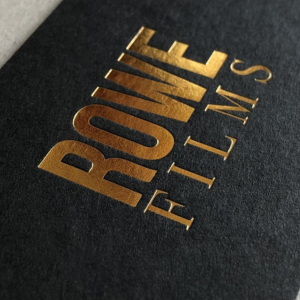
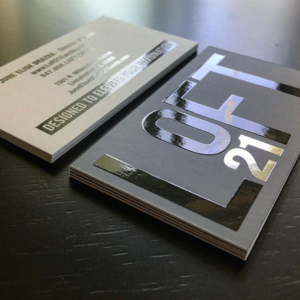
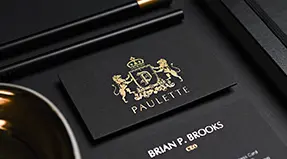
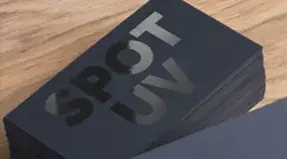
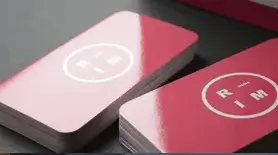
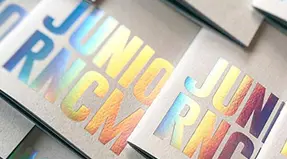
Popular finishing options may include matte or gloss lamination, foil stamping, embossing, and debossing. A restrained design with high-quality printing can work just as effectively as a more elaborate finish, depending on the brand’s audience.
Before approving a large production run, businesses should review the artwork and, where possible, a sample to check color consistency, text readability, dimensions, and overall appearance.
Designing Bonbon Packaging Around Food Safety
Chocolate packaging needs careful planning because it comes into direct or indirect contact with a food product. The materials and internal components must be appropriate for their intended use.
Select Suitable Food-Contact Materials
If the bonbons will touch an insert, liner, tray, or other packaging component, that material should be suitable for the intended food-contact application and comply with applicable regulations.
A decorative outer box does not automatically make every internal component food-safe. Confectionery businesses should confirm the specifications of any liners, trays, wrappers, or inserts with their packaging supplier.
Consider Freshness, Storage, and Transportation
Bonbons can vary considerably in their ingredients and shelf-life requirements. Products containing cream, fruit, or other sensitive fillings may require particular storage conditions, depending on their formulation.
The packaging design should take into account how the chocolates will be stored, displayed, and delivered. Appropriate product information, storage instructions, and protective inner packaging can help businesses manage these requirements.
Packaging alone cannot guarantee freshness or prevent melting. Temperature control, handling practices, and the characteristics of the chocolate remain important factors.