
Description
Custom Rigid Mailers: Strong, Professional Packaging for Modern Shipping
A product’s journey does not end when a customer places an order. It continues through packing, handling, transportation, and delivery. During this process, packaging must protect the contents while keeping the brand’s presentation consistent. Custom Rigid Mailers offer businesses a practical way to combine a sturdy structure with a professional appearance.
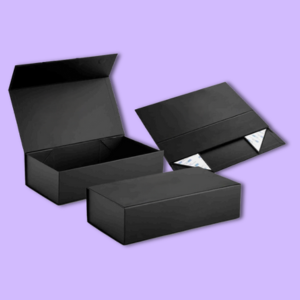
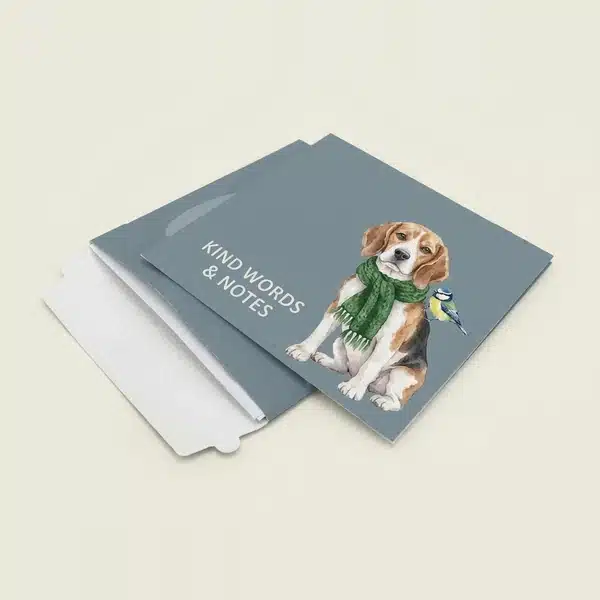
Designed for products that need more support than a standard paper envelope can provide, rigid mailers can be customized to suit different product sizes, branding styles, and fulfillment requirements. They are especially useful for businesses that ship flat items, printed materials, documents, photographs, and selected lightweight products.
ZJ Packaging helps businesses explore customized packaging solutions that balance product protection, presentation, and everyday shipping needs.
The Packaging Challenge Behind Every Delivery
Shipping packaging has to deal with more than distance. Parcels may be stacked with other packages, moved between sorting areas, or handled several times before reaching the recipient. Flexible envelopes can bend under pressure, while oversized cartons may use more space than the product requires.
Rigid mailers address a specific part of this challenge by providing a firmer packaging structure that helps resist bending and maintain the shape of the contents. Their usefulness depends on the board strength, construction, dimensions, and the level of protection the product requires.
For businesses selling products that should arrive flat, clean, and presentable, this can be an important consideration. The right mailer helps reduce avoidable handling damage without making the packaging unnecessarily complicated.
What Can You Ship in a Rigid Mailer?
Custom rigid mailers are particularly suitable for products that benefit from a flat, supportive package. However, the design should always be matched to the item’s thickness, weight, and fragility.
Printed materials and documents: Certificates, business documents, brochures, presentation materials, and selected publications may benefit from a rigid format that helps prevent creasing.
Artwork and photography: Prints, photographs, illustrations, and promotional artwork often need a stable backing to help maintain their condition during transit.
E-commerce accessories: Flat stationery products, cards, notebooks, small paper goods, and lightweight accessories can be packaged in mailers designed around their dimensions.
Marketing kits: Businesses sending promotional inserts, branded literature, samples, or compact campaign materials can use custom mailers to create a consistent delivery experience.
Retail and subscription products: Certain flat or low-profile products can be shipped in a mailer when the format provides sufficient room and protection.
Products with fragile components, substantial thickness, or irregular shapes may require a carton or additional internal cushioning instead. Choosing packaging according to the actual product helps avoid damage and unnecessary shipping costs.
Anatomy of a Well-Designed Rigid Mailer
A reliable mailer begins with its construction. Every component contributes to how easily the package can be packed, closed, transported, and opened.
A Firm Outer Structure
The board forms the main protective layer. Its thickness and rigidity should be selected according to the dimensions of the mailer and the level of resistance needed during handling. A larger mailer may require a different specification from a small envelope used for lightweight documents.
A Secure Closure
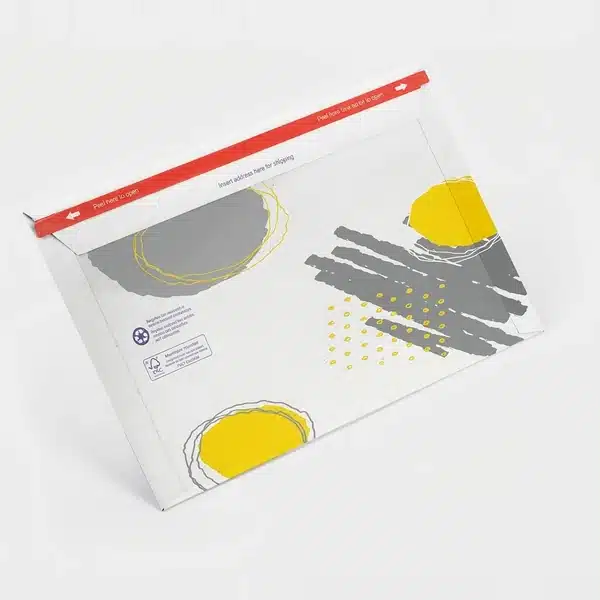
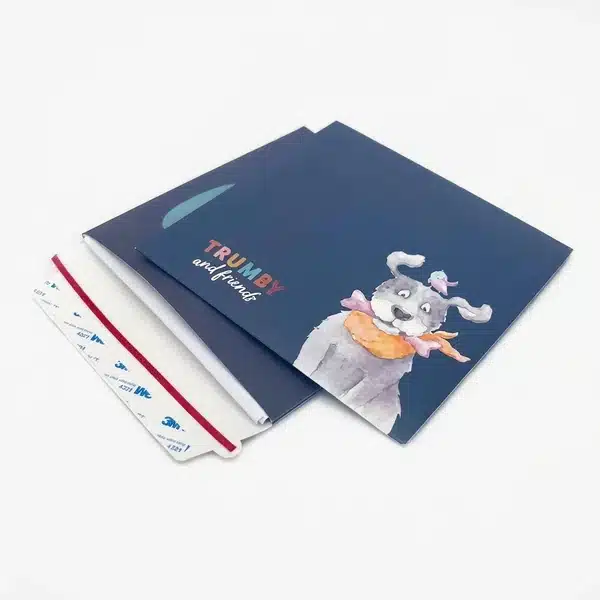
The closure should keep the contents inside without making the package difficult to open. Depending on the chosen format, this may involve a tuck-in flap, adhesive strip, or another suitable closing method.
For businesses processing many orders each day, an easy-to-use closure can also improve packing efficiency. If a mailer includes an adhesive seal, the adhesive should be appropriate for the intended surface and shipping conditions.
Space for the Product
The internal dimensions need to accommodate the product without excessive movement. Mailers that are too tight may damage corners or make packing difficult, while oversized designs can allow the contents to shift.
Where necessary, a protective sleeve, backing board, or additional insert can provide further support. These additions should be included in the design rather than improvised after production.
A Clean Exterior
The outer surface offers room for branding, shipping labels, product information, and other essential details. The design should leave sufficient clear space for address labels and carrier markings so that decorative elements do not interfere with delivery information.
Turning a Shipping Package into a Brand Touchpoint
A delivery package may be the first physical interaction a customer has with an online business. Even a relatively simple mailer can contribute to the customer’s impression when the design looks organized and consistent.
Custom printing allows businesses to incorporate their logo, brand colors, website, or a short message. A minimal design may suit a professional stationery brand, while a colorful exterior can work for creative products and lifestyle retailers.
The inside of the mailer can also be used for brand messaging, care instructions, or a brief thank-you note when the construction supports interior printing. These details should remain useful and easy to read rather than overwhelming the package.
For businesses that ship frequently, consistent packaging can also help make orders more recognizable in product photography, customer reviews, and social media posts. Branding alone does not guarantee customer loyalty, but it can support a more coherent experience from checkout to delivery.
Customization Choices That Affect Performance
Appearance matters, but the most effective mailer design considers the practical requirements of shipping from the beginning.
Special finishes can be added when appropriate, but they should not compromise the package’s intended use. For example, a decorative coating may improve the appearance of a retail mailer, while a simple printed surface may be more suitable for a high-volume shipping operation.
Businesses should also distinguish between resistance to bending and complete protection against impact or moisture. A rigid mailer can help maintain shape, but it does not automatically make a parcel waterproof, crushproof, or suitable for fragile products.
How Rigid Mailers Can Improve Fulfillment Workflows
Packaging affects the work that happens behind the scenes as well as the customer’s delivery experience. A mailer designed around the product can make packing more consistent and reduce the need for excessive filler materials.
When dimensions are standardized, warehouse staff can identify the correct package more easily and follow a repeatable packing process. A well-planned closure can also reduce the time needed to prepare each order.
Storage is another factor. Mailers should be evaluated according to how they are supplied, stacked, and kept before use. Depending on their construction, some formats may be easier to store than bulky boxes, although rigid packaging still requires sufficient space and careful handling to prevent corner damage.
Businesses should assess these benefits using their actual order volumes, product range, and packing procedures. A mailer that works well for one product may not be suitable for every item in a store.
Planning a Cost-Effective Custom Mailer Order
Before requesting a quotation, prepare the details that will influence the design and final cost. Start with the dimensions and weight of the product, including any protective sleeve or insert that will be packed with it.
Next, decide on the preferred mailer style, board specification, closure, print coverage, and finish. If the packaging will carry shipping labels, reserve an appropriate area on the exterior. It is also helpful to estimate the quantity required and whether the same mailer will be used for several products.
Ask the packaging supplier to clarify material specifications, printing options, production lead times, minimum order quantities, and delivery arrangements. If the product is particularly important or prone to bending, request a sample to evaluate the fit and construction.
Testing the complete packing setup is worthwhile before committing to a large order. Check how easily the product fits, whether the closure stays secure, and whether the package maintains its shape during representative handling. For products with specific shipping risks, additional packaging tests may be necessary.