
Description
Introduction to Polythene Bags
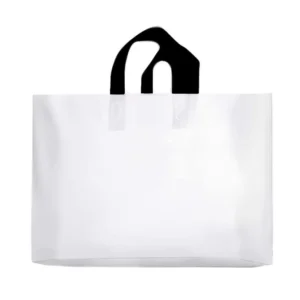
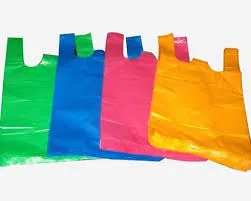
Polythene bags are one of the most common packaging materials used all over the world. They are made from a type of plastic called polyethylene, which is lightweight, flexible, and strong. Because of these qualities, polythene bags are widely used for carrying groceries, packing items, and even for storing goods.
One of the biggest reasons for their popularity is their low cost. Shops and businesses prefer polythene bags because they are cheap and easy to provide to customers. People also find them convenient since they are waterproof, reusable for short-term purposes, and available in different sizes.
Common Uses of Polythene Bags
Polythene bags are one of the most used packaging items in our daily life. They are cheap, lightweight, and easily available, which makes them popular all around the world. People use these bags in many ways because they are simple to carry and can hold different kinds of items.
- Grocery Shopping
Most people use polythene bags for carrying fruits, vegetables, and other grocery items. Shops and markets provide them as an easy option for customers. - Carrying Household Items
From clothes to small products, polythene bags are commonly used at home to store or carry things. - Packaging Food
Many food shops, bakeries, and restaurants use polythene bags for packing snacks, bread, and other food items. - Storing Items
At home, people often keep toys, books, or extra items in polythene bags to save space. - Medical and Pharmacy Use
Pharmacies use polythene bags to pack medicines safely for customers. - Industrial Use
Industries use strong polythene bags to pack raw materials, fertilizers, or other products for transportation. - Garbage Collection
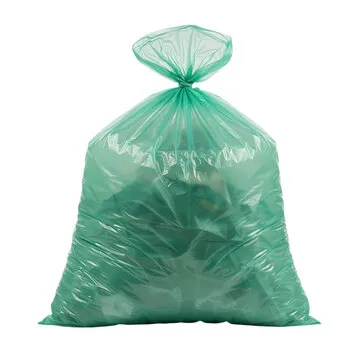
Polythene bags are also widely used as trash bags for collecting waste. - Shopping and Retail Stores
Almost every retail shop gives polythene bags to customers for carrying purchased items. - Storage of Documents or Clothes
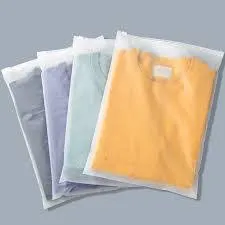
Some people use polythene bags to protect important papers or seasonal clothes from dust and moisture.
Advantages: Lightweight and Affordable
Polythene bags are one of the most commonly used packaging materials around the world. The biggest reason for their popularity is that they are lightweight and affordable.
Firstly, polythene bags are very light in weight, which makes them easy to carry. People can use them for shopping, groceries, or packing items without feeling heavy. Because of this quality, they are very convenient for both customers and shopkeepers.
Secondly, these bags are low in cost. Compared to other types of packaging, such as cloth or paper bags, polythene bags are much cheaper to produce. This makes them budget-friendly for businesses, especially small shops and street vendors. Customers also benefit because they often receive these bags for free or at a very low price.
Environmental Problems Caused by Polythene Bags
Polythene bags are used everywhere because they are cheap, lightweight, and easy to carry. People use them for shopping, packing, and even storing things. But these bags are causing serious problems for our environment.
- Non-Biodegradable Waste
Polythene bags do not break down easily. They stay in soil and water for hundreds of years, creating permanent waste. - Soil Pollution
When thrown on land, these bags block air and water from reaching the soil, which reduces soil fertility. - Water Pollution
Many bags end up in rivers, lakes, and oceans. This pollutes water and harms marine life. - Harm to Animals
Cows, birds, and sea animals often eat polythene bags by mistake. This blocks their stomachs and sometimes causes death. - Air Pollution
When people burn polythene bags, they release harmful gases that pollute the air and affect human health. - Blockage of Drains
Thrown bags block drainage systems during rains, which leads to floods and the spread of diseases. - Climate Impact
Production and burning of polythene bags release greenhouse gases, contributing to climate change.
Environmental Problems Caused by Polythene Bags
Polythene bags are very common in our daily life. People use them for shopping, carrying goods, and packing items because they are cheap and light. But behind this comfort, polythene bags cause many serious problems for our environment.
- Non-biodegradable Waste
Polythene bags do not break down easily. They remain in the soil and water for hundreds of years, creating waste that is difficult to remove. - Soil Pollution
When polythene is thrown on the ground, it mixes with soil. This blocks the natural growth of plants and reduces soil fertility. - Water Pollution
Many plastic bags reach rivers, canals, and oceans. They block drainage systems and cause floods during heavy rains. - Harm to Marine Life
Fishes, turtles, and other sea animals often mistake polythene bags for food. Eating them causes choking, sickness, or even death. - Air Pollution
Some people burn polythene bags to dispose of them. This releases poisonous gases, which are harmful for humans and the atmosphere. - Health Hazards
Polythene bags can release toxic chemicals into food, especially when hot food items are packed in them. This can cause serious health problems. - Wildlife Damage
Cows, goats, and other animals sometimes eat polythene bags with garbage. These bags block their stomachs, leading to severe pain or death. - Waste Management Issues
Polythene bags block sewage systems and make garbage collection more difficult. This creates dirty surroundings and spreads diseases. - Global Warming Impact
The production and burning of polythene bags release harmful gases like carbon dioxide and methane, which add to global warming and climate change.