Description
Benefits of Using Plastic Food Bags for Daily Storage
Plastic food bags are very useful in every kitchen. They help store food safely and make daily life easier. Here are some benefits of using plastic food bags:
- Keeps Food Fresh
Plastic food bags prevent air from reaching the food. This keeps fruits, vegetables, and snacks fresh for a longer time.
- Easy to Store
Plastic bags take very little space. You can easily keep them in the fridge, freezer, or pantry.
- Lightweight and Portable
Plastic food bags are light and easy to carry. They are perfect for school, office, or travel.
- Prevents Spills and Mess
Plastic bags are leak-proof. They stop liquids like sauces or juices from spilling in your bag or fridge.
- Cost-Effective
Plastic bags are cheaper than other storage containers. They are available in many sizes for all kinds of food.
- Good for Freezing
Plastic food bags are safe for the freezer. You can store meat, fruits, or leftovers without worrying about freezer burn.
- Reusable and Convenient
Some plastic bags can be washed and used again. This makes them eco-friendly and convenient.
- Easy to Organize
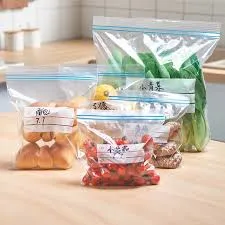
You can label plastic bags with dates or names. This helps you organize your food and avoid waste.
- Safe for Snacks
Plastic food bags are perfect for storing small snacks like nuts, chips, or cookies. Kids can easily carry them.
Different Types of Plastic Food Bags and Their Uses
Plastic food bags are very useful in kitchens. They help store food safely and keep it fresh. There are different types of plastic food bags, and each type has its own use. Let’s look at them:
- Zipper Bags
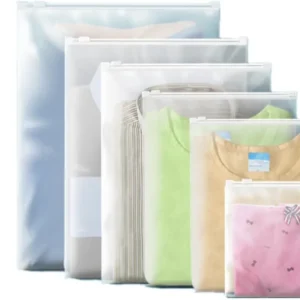
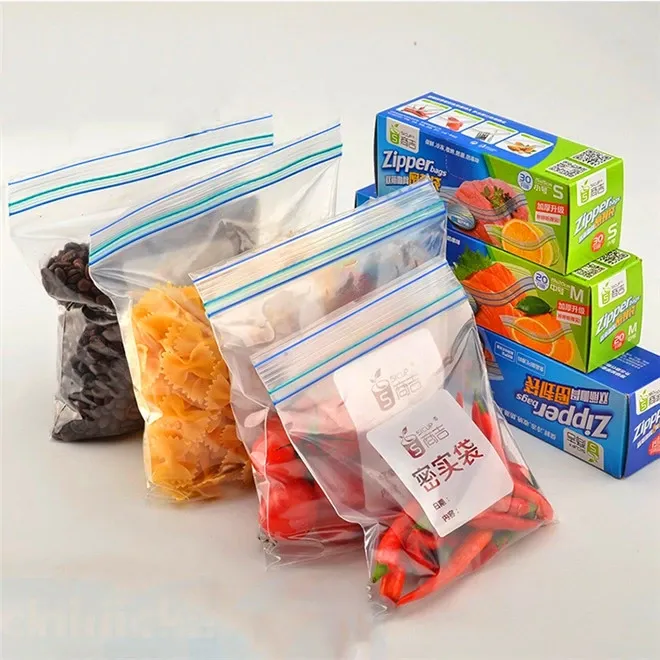
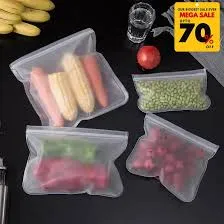
Zipper bags are easy to open and close. They are perfect for storing snacks, sandwiches, and small fruits. You can also use them to freeze food. - Freezer Bags
These bags are thick and strong. They are made to store food in the freezer. They prevent freezer burn and keep food fresh for a long time. - Vacuum Seal Bags
Vacuum seal bags remove air from the bag before sealing it. This method keeps food fresh for weeks or months. It is great for meat, fish, and vegetables. - Bread Bags
Bread bags are soft and light. They are used to store bread, cakes, and pastries. They prevent food from drying out. - Sandwich Bags
These small bags are perfect for carrying sandwiches and small snacks. They are easy to carry and disposable. - Produce Bags
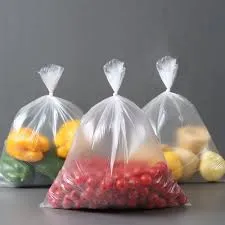
Produce bags are usually thin and lightweight. They are used to store fruits and vegetables bought from the market. - Snack Bags
Snack bags are small and handy. They are ideal for nuts, chips, and candies.
Tips for Safely Storing Food in Plastic Bags
Plastic food bags are very useful for keeping food fresh and organized. But it’s important to use them safely to protect your health. Here are some simple tips:
- Use Food-Grade Bags – Always use bags that are labeled safe for food. These bags are made to prevent chemicals from mixing with your food.
- Keep Raw and Cooked Food Separate – Don’t put raw meat or fish in the same bag as cooked food to avoid germs spreading.
- Avoid Overfilling – Don’t fill the bag too much. Overfilling can cause leaks and spoilage.
- Seal Properly – Make sure the bag is closed tightly to keep air out. This helps the food stay fresh longer.
- Store in the Right Place – Keep bags in the fridge or freezer if the food needs cooling. Dry foods can stay in a pantry.
- Label and Date – Write the name of the food and the date on the bag. This makes it easier to use it before it goes bad.
- Avoid Reusing Single-Use Bags – Some plastic bags are meant for one-time use only. Reusing them can cause bacteria to grow.
- Check for Damage – Don’t use bags that are torn or have holes. They cannot protect your food properly.
- Keep Away from Heat – Do not put plastic bags near hot surfaces or in the microwave unless the bag is microwave-safe.
- Clean Hands and Surfaces – Always wash your hands and the counter before touching food or bags to keep everything clean.
How to Choose the Right Plastic Food Bag for Your Needs
Plastic food bags are very useful in our daily life. They help us store food safely and keep it fresh. But choosing the right plastic food bag is important. Here are some simple tips to help you:
- Know the Purpose
First, think about what you need the bag for. Is it for storing snacks, fruits, vegetables, or liquids? Different foods may need different types of bags. - Check the Size
Plastic food bags come in many sizes. Small bags are good for snacks or small items. Bigger bags are better for storing fruits, vegetables, or leftovers. - Look for Durable Bags
Choose bags that are strong and do not tear easily. Durable bags protect your food better and last longer. - Consider Food Safety
Make sure the plastic bag is safe for food. Look for labels like “food-grade” or “BPA-free.” This keeps your food safe to eat. - Reusable or Disposable
Decide if you want a reusable bag or a disposable one. Reusable bags are eco-friendly and can be washed. Disposable bags are convenient for short-term use. - Check the Seal
A good plastic food bag should have a tight seal. This keeps air out and helps your food stay fresh longer. - Freezer or Microwave Safe
If you plan to freeze or heat food in the bag, check if it is freezer-safe or microwave-safe. Not all bags can handle heat or cold. - Transparent Bags are Helpful
Clear bags let you see what is inside without opening them. This saves time when looking for food items. - Eco-Friendly Options
Try to choose biodegradable or recyclable plastic bags. They are better for the environment and reduce plastic waste.