Custom boxes need today’s business to connect with people to promote brands. Custom printed boxes firstly appeared in the 1800s, using lightweight cardboard boxes similar to the ones used now to package their flaked cereals.
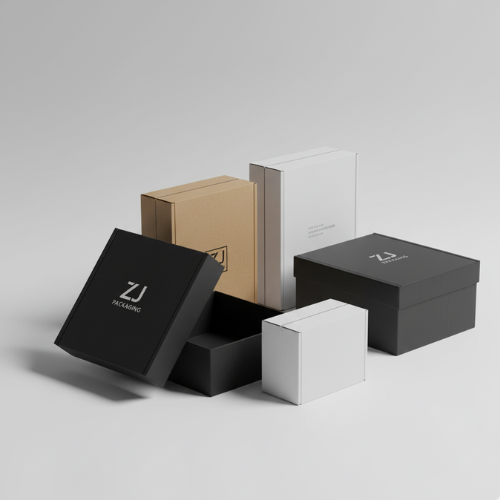
Custom tin boxes are metal containers manufactured and decorated according to a brand’s requirements. They are commonly made from tinplate, which is steel coated with a thin layer of tin. This construction provides strength while allowing manufacturers to shape the material into different sizes and styles.
Unlike standard boxes that come in predetermined designs, custom tin boxes can be produced around the dimensions, shape, color, printing, and closure requirements of a particular product.
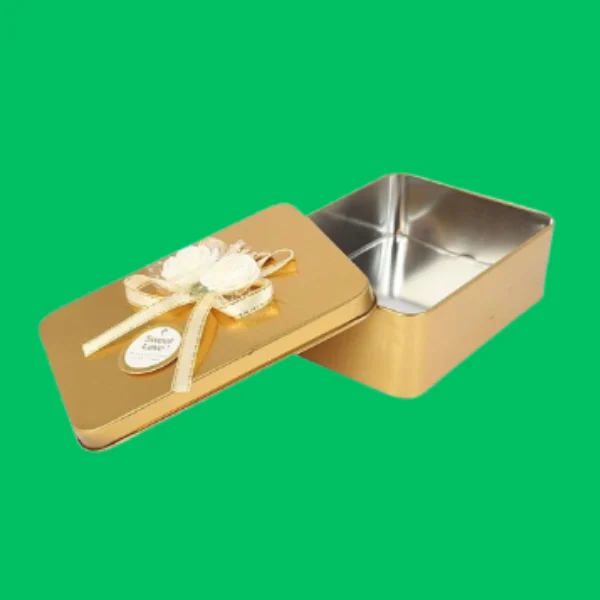
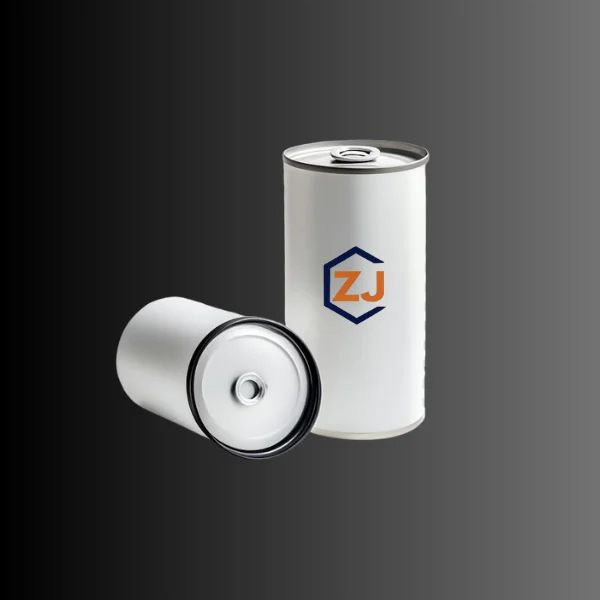
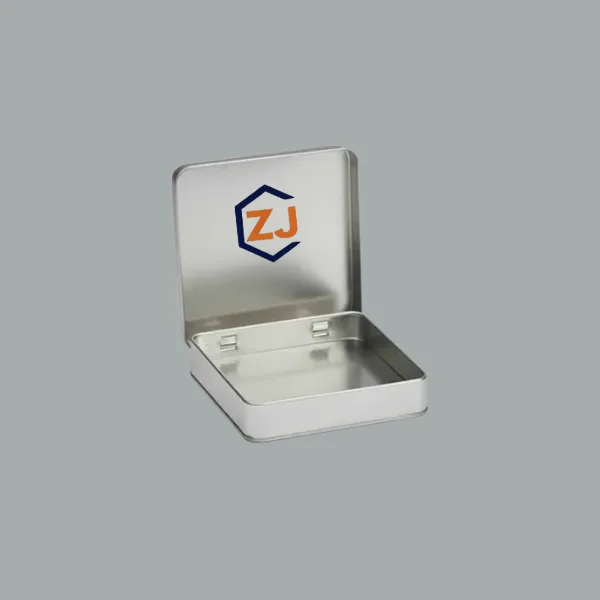
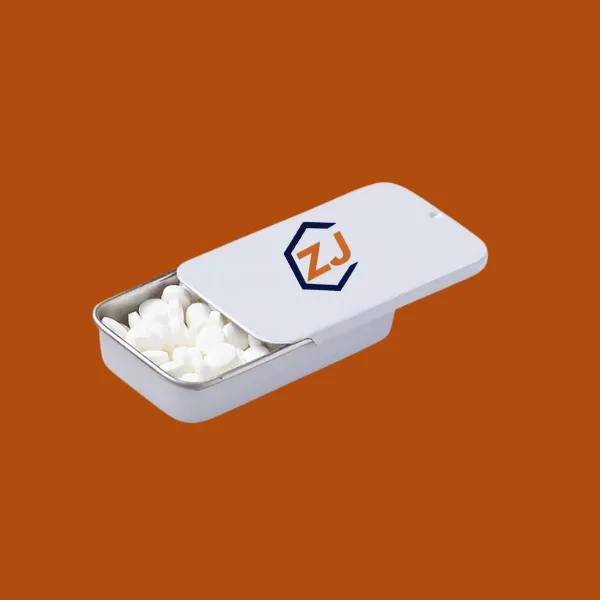
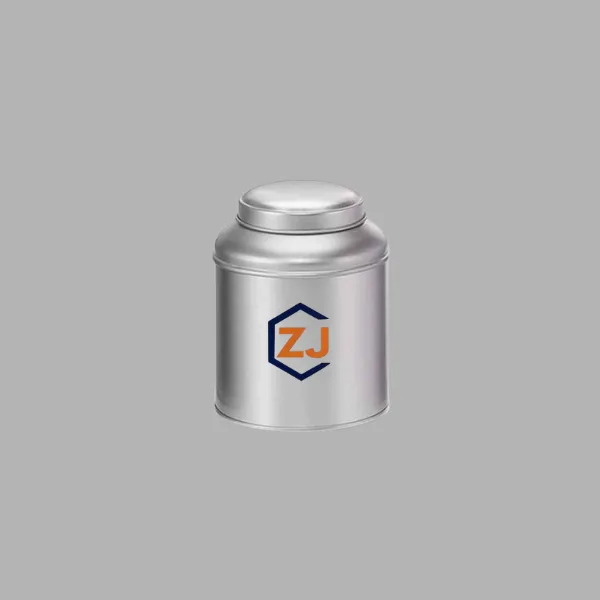
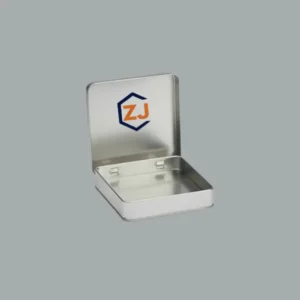
A company may choose a small rectangular tin for mints, a round tin for cosmetics, a hinged tin for gift products, or a larger decorative container for food and specialty products.
Customization can include:
Tin packaging stands out because it combines practical protection with a strong visual presence. Paperboard packaging can be lightweight and economical, but metal packaging provides a different type of experience.
When customers pick up a tin box, they immediately notice its rigidity. It does not feel like a temporary container. The weight and structure can create a perception of quality, which is useful for brands operating in competitive markets.
Tin also allows packaging to be reused. Instead of throwing the container away after opening the product, a customer may keep it for storing small objects. This continued usefulness can give the package value beyond its original purpose.
For brands, that can be an important advantage. Packaging that remains in a customer’s home or office may continue to display the company name long after the original purchase.
One of the biggest advantages of tin boxes is their rigid construction. Unlike flexible packaging, a tin container can help protect products from crushing and general handling damage.
This can be useful during shipping, storage, and retail display. Products that need extra structural protection may benefit from the stronger walls of a metal container.
The exact level of protection depends on the tin’s thickness, construction, closure, and whether additional internal packaging is used. Therefore, brands should select the specifications according to the product rather than simply choosing the thickest available option.
Packaging often communicates quality before a customer tries the product. A carefully designed tin box can give a product a more premium appearance without requiring complicated structural features.
High-quality printing, clean typography, embossed details, and suitable finishes can turn a simple metal container into attractive branded packaging.
This is particularly useful for products sold as gifts. A beautiful tin box can make the product feel more complete and presentable.
Tin boxes provide a large surface for artwork. Brands can print their logos, colors, illustrations, patterns, and product information directly onto the packaging.
A strong visual design can help a product stand out on a retail shelf. It can also create consistency across a product range.
For example, a tea company could use the same basic tin structure for several flavors while changing the color and artwork for each variety. Customers would recognize the brand immediately while still being able to distinguish individual products.
One of the most attractive qualities of tin packaging is its potential for reuse.
After the original product has been consumed, customers may use the box to store:
There is no single product category that owns tin packaging. Its flexibility allows it to work across many industries.
Tin containers are commonly associated with cookies, candies, mints, chocolates, tea, coffee, and specialty snacks.
For food products, the packaging design must meet the relevant food-contact and safety requirements for the intended market. Internal coatings, liners, and other specifications may also need to be selected according to the product.
Food brands often choose tins because they provide both protection and attractive shelf presentation.
Tea and coffee are strong candidates for custom tin packaging. A metal container can provide a premium presentation while giving brands enough surface area for product information and artwork.
A tea company could create separate tins for green tea, black tea, herbal blends, and seasonal collections. Consistent branding across the range can make the products easy to recognize.
Small custom tins can work well for certain beauty products such as solid balms, solid perfumes, grooming products, and other compact items.
The packaging can be designed around the product’s dimensions while maintaining a clean and attractive appearance.
For cosmetics, brands should pay particular attention to material compatibility, coatings, closures, and applicable product regulations.
Small candles and gift products can also be presented in decorative tins. A printed metal container can contribute to the overall visual identity of a candle collection.
For products involving heat, the packaging design must be appropriate for the intended use. Manufacturers should consider the product’s temperature, burning characteristics, and safety requirements before selecting a tin structure.
Custom tins are also useful for promotional campaigns and collectible items. A company can create limited-edition tins around an event, product launch, anniversary, or seasonal campaign.
Because the container can be reused, promotional tin packaging may continue to display the brand after the campaign ends.
Brand recognition depends heavily on consistency. Customers should be able to identify a product quickly from its colors, logo, typography, and overall visual style.
Tin packaging gives brands plenty of room to establish this identity.
For example, a company might use:
One color system for its entire product range.
One logo position across different tin sizes.
Different artwork to represent individual products.
A consistent typography style to maintain brand recognition.
This approach creates a packaging family. Customers can see that several products belong to the same company even when their contents are different.
The shape of the box can also become part of a brand’s identity. An unusual round, square, or specially shaped tin may be more recognizable than a conventional container.
Size is one of the most important decisions when developing custom tin packaging.
The box should be large enough to hold the product comfortably but not unnecessarily oversized. Excess empty space can increase material use, shipping volume, and the need for internal protection.
Before selecting dimensions, consider:
Printing is a major part of custom tin box design. A plain metal container may be functional, but printed artwork can turn it into a strong branding tool.
Common design elements include:
Some brands want their packaging to feel more luxurious. Embossing can add raised elements to the surface of a tin.
A logo, pattern, border, or product name can be highlighted through embossing or debossing.
Other finishing choices may include:
Sustainability has become an important packaging consideration for many businesses. Tin packaging can support a more reusable packaging model because metal containers are durable and can be used repeatedly.
Metal is also recyclable, although actual recycling outcomes depend on local collection systems and recycling infrastructure.
Brands should avoid making broad environmental claims without considering the full life cycle of the package. Manufacturing, transportation, coatings, printing, reuse, and recycling all contribute to the overall environmental impact.
A better approach is to focus on practical improvements such as designing packaging that lasts, avoiding unnecessary material, reducing excessive empty space, and communicating disposal information clearly.
Start with the product rather than the artwork.
First determine what the container needs to protect and how customers will use it. Then choose the appropriate dimensions, structure, closure, and interior features.
After that, develop the visual design.
Your packaging should answer basic questions quickly:
What is the brand?
What is inside?
Why should the customer care?
What makes this product different?
Once the basic message is clear, decorative elements can be added without overwhelming the design.
Limited-edition packaging can create excitement around an existing product.
A brand might produce a special tin for:
In a retail environment, packaging has only a short amount of time to attract attention. Products compete with dozens or even hundreds of other items.
A custom tin can stand out because of its physical structure. While many packages are soft or lightweight, a rigid metal container has a different presence on the shelf.
The key is to combine this structural advantage with clear branding.
A customer should be able to understand the product without having to study the package for a long time.
Paperboard and tin packaging each have their own advantages.
Paperboard is generally lightweight, flexible in printing, and suitable for many packaging applications. It can also be easier to customize for certain shapes and production quantities.
Tin packaging offers greater rigidity and a reusable structure. It can create a stronger premium impression and may be suitable for products that benefit from additional physical protection.
The right choice depends on the product, budget, branding strategy, shipping requirements, and sustainability goals.
One of the most interesting features of custom tin packaging is what happens after the product is finished.
A cardboard box may be recycled or discarded. A tin container may continue to serve a purpose.
Imagine a customer buying a box of premium tea. After the tea is gone, the customer uses the tin to store another tea blend, spices, small stationery items, or craft supplies.
Every time that container is used, the brand’s printed identity remains visible.
This does not guarantee repeat purchases, but it creates another opportunity for brand exposure.