
Every fast food operator has heard the pitch by now: switch to biodegradable packaging, save the planet, win over customers. What most of that advice skips is the part that actually matters to someone running a kitchen — which materials hold up to hot, greasy food without falling apart mid-delivery, what they cost per unit at real order volumes, and which “compostable” claims will survive a state audit.
This guide skips the sales pitch. Below is a practical breakdown of materials, real 2026 cost ranges, the regulatory landscape restaurants actually have to deal with, and a switch-over checklist you can hand to your ops team today.
Why This Shift Isn’t Optional Anymore
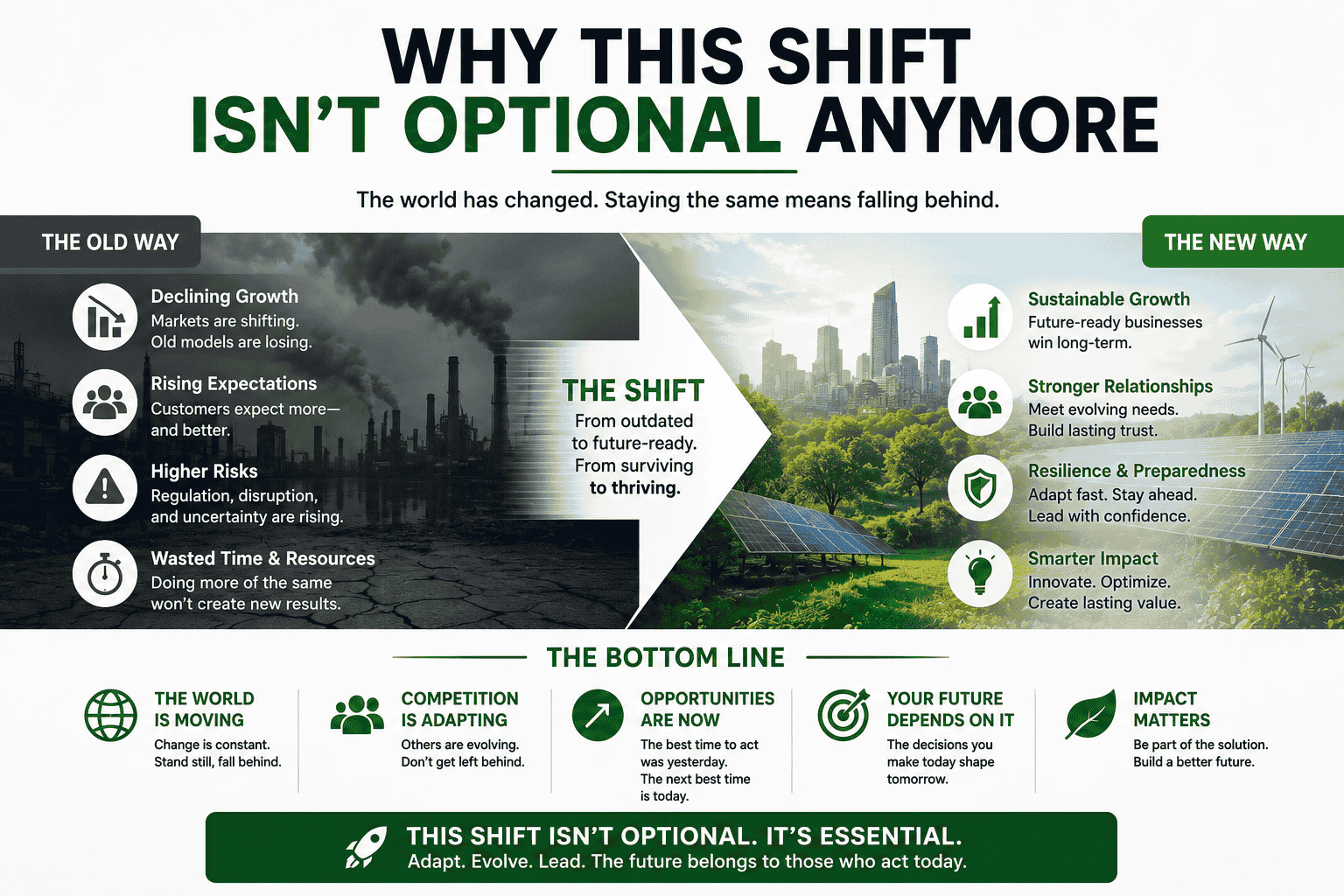
The numbers explain the urgency better than any trend piece. The global biodegradable food packaging market is on pace to reach roughly $241.7 billion in 2026, climbing toward $354 billion by 2033 as regulatory mandates and bioplastic advances like PLA and PHA mature. Foodservice alone accounts for a substantial share of that spend — industry estimates put the food and beverage segment at over 40% of total eco-friendly packaging revenue, driven largely by takeout and delivery formats.
Three forces are pushing restaurants to move faster than they’d like:
- State and city plastic bans. More than a dozen U.S. states now restrict single-use plastic foodware or polystyrene foam in some form, and the list keeps growing.
- Delivery volume. Third-party delivery apps have made single-use packaging a bigger share of a restaurant’s footprint than dine-in ever was, and customers unbox that packaging on camera.
- Corporate supply chain pressure. Large QSR chains are pushing sustainability requirements down to franchisees and suppliers, which trickles down to smaller regional brands trying to stay competitive on shelf and on delivery apps.
None of this means every restaurant needs to overhaul its entire packaging line overnight. It means the decision about which biodegradable material to use, and from which supplier, is now a real operational decision — not a marketing afterthought.
Biodegradable vs. Compostable vs. Recyclable: The Distinction That Actually Matters
These terms get used interchangeably in marketing copy, but they mean different things on a packaging spec sheet — and mixing them up can get a brand accused of greenwashing.
- Biodegradable means microorganisms can break the material down naturally over time. It says nothing about how long that takes or what’s left behind — some “biodegradable” plastics still leave microplastic residue.
- Compostable is a stricter, certifiable standard (typically ASTM D6400 in the U.S.). Compostable materials break down into non-toxic, nutrient-rich matter under specific composting conditions, usually within 90 to 180 days in an industrial facility.
- Recyclable means the material can be reprocessed into new products through existing recycling infrastructure — but only if that infrastructure actually exists in the customer’s location, which is a real gap for a lot of “recyclable” packaging.
The practical takeaway: if you want a defensible sustainability claim, look for third-party certification (BPI, TÜV Austria’s OK Compost, or ASTM D6400 compliance) rather than a vague “eco-friendly” label from the supplier.
Material Comparison: What to Actually Use for Each Application
| Material | Best For | Heat/Grease Resistance | Relative Cost | Compostable? |
| Bagasse (sugarcane fiber) | Clamshells, plates, bowls | Excellent — holds up to ~120°C | Moderate | Yes, industrial |
| Kraft paperboard | Boxes, bags, wraps | Good with PLA/water-based lining | Low | Yes |
| PLA (corn-starch bioplastic) | Cold cups, clear lids, cutlery | Poor with hot liquids (softens ~50-60°C) | Moderate–High | Yes, industrial only |
| Molded fiber (pulp) | Trays, egg cartons, protective inserts | Good | Low–Moderate | Yes |
| CPLA (crystallized PLA) | Hot cup lids, utensils | Better than standard PLA, up to ~85°C | High | Yes, industrial |
| Seaweed-based coatings | Grease-resistant liners for boxes | Good, PFAS-free alternative | High (emerging) | Yes |
| Wax-coated paperboard | Frozen/cold food boxes | Good for cold, poor for compost stream | Low | Often not — check coating |
A few notes that don’t usually make it into competitor content: standard PLA is a poor choice for anything holding hot coffee or soup — it’s better suited to cold cups and cutlery. If a supplier is pitching PLA for hot beverage cups without mentioning CPLA, that’s worth questioning. Also, wax-coated boxes are frequently marketed as eco-friendly because the paperboard itself is recyclable, but petroleum-based wax coatings usually aren’t compostable — read the fine print.
What It Actually Costs to Switch
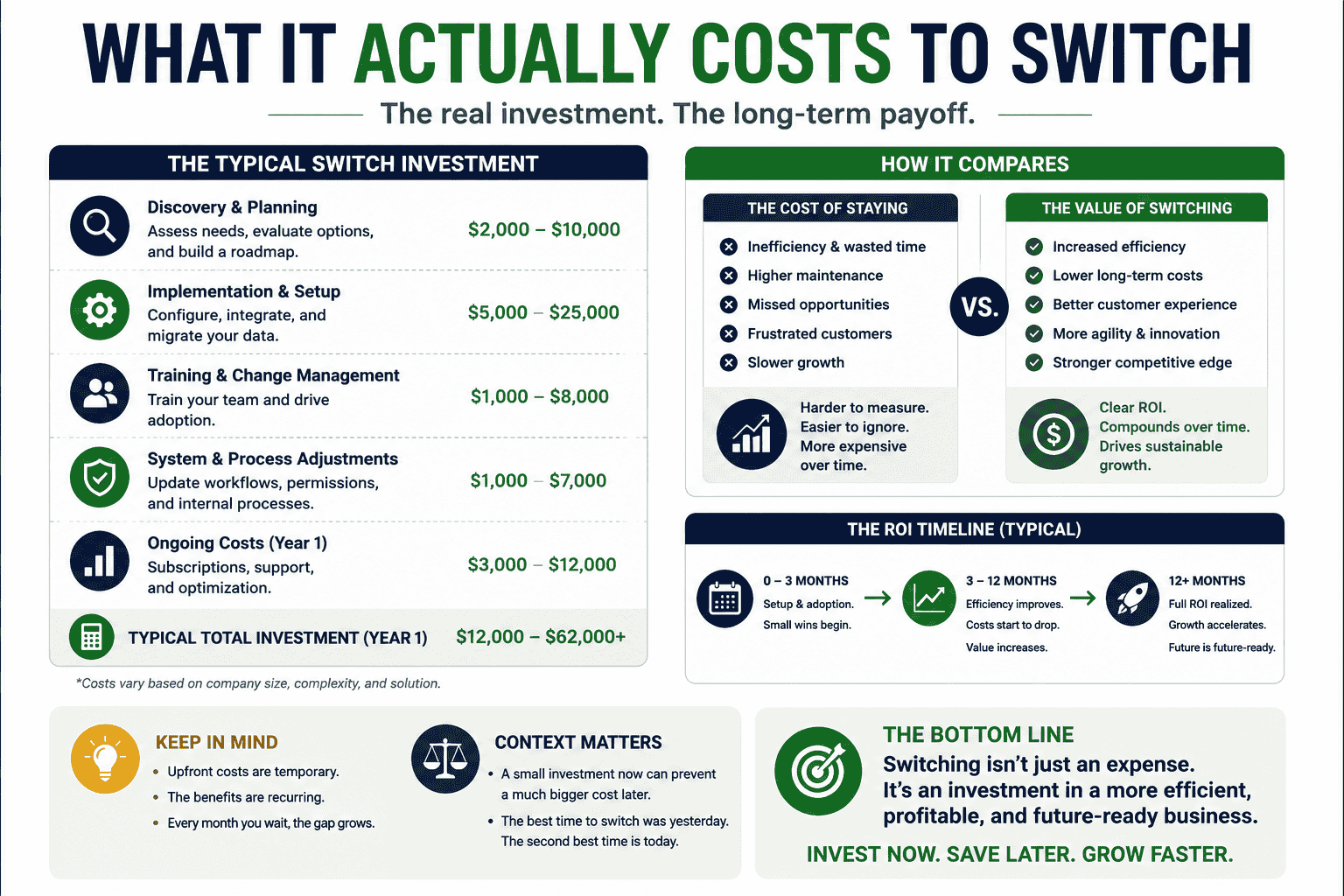
Cost is the objection every operator raises, and it’s a fair one. Rough 2026 U.S. wholesale ranges, per unit at moderate order volumes:
- Kraft paper bags: $0.03–$0.08
- Bagasse clamshells (medium): $0.15–$0.35
- PLA cold cups (16 oz): $0.08–$0.15
- CPLA hot cup lids: $0.05–$0.10
- Molded fiber trays: $0.10–$0.25
Expect a 15–40% premium over conventional plastic or foam equivalents, narrowing as order volume increases and as more manufacturers scale bagasse and molded-fiber production. Operators who negotiate volume-based MOQs and consolidate SKUs (fewer box sizes, standardized clamshells across a menu) typically absorb the difference within a few months through delivery-platform sustainability badges and reduced customer complaints about soggy or collapsing packaging.
Regulatory Snapshot: What to Check Before You Order
Rules vary significantly by state and municipality, so treat this as a starting checklist, not legal advice:
- Confirm your state’s polystyrene/plastic foodware restrictions — several states now ban expanded polystyrene outright for restaurant use.
- Verify PFAS-free claims with documentation. A growing number of states (Washington, California, New York among others) restrict intentionally added PFAS in food packaging, and “grease-resistant” paper products have historically relied on PFAS coatings.
- Ask for the composting certification, not just the word “compostable.” Request the BPI or ASTM D6400 certificate number and verify it against the certifying body’s public database.
- Check local composting access. Compostable packaging that ends up in a landfill because there’s no industrial composting facility nearby doesn’t deliver the environmental benefit you’re marketing — some brands note this on packaging to set expectations honestly.