If you’ve started shopping for custom bakery boxes, you’ve probably noticed most suppliers say the same things: boost visibility, look premium, choose eco-friendly options. None of that is wrong, exactly — it’s just not very useful when you’re the one trying to decide between kraft and corrugated, or figuring out whether a window cutout is worth the extra cost.
This guide skips the sales pitch and walks through the decisions that actually affect how your baked goods look, travel, and sell.
Why Your Box Is Doing More Work Than You Think
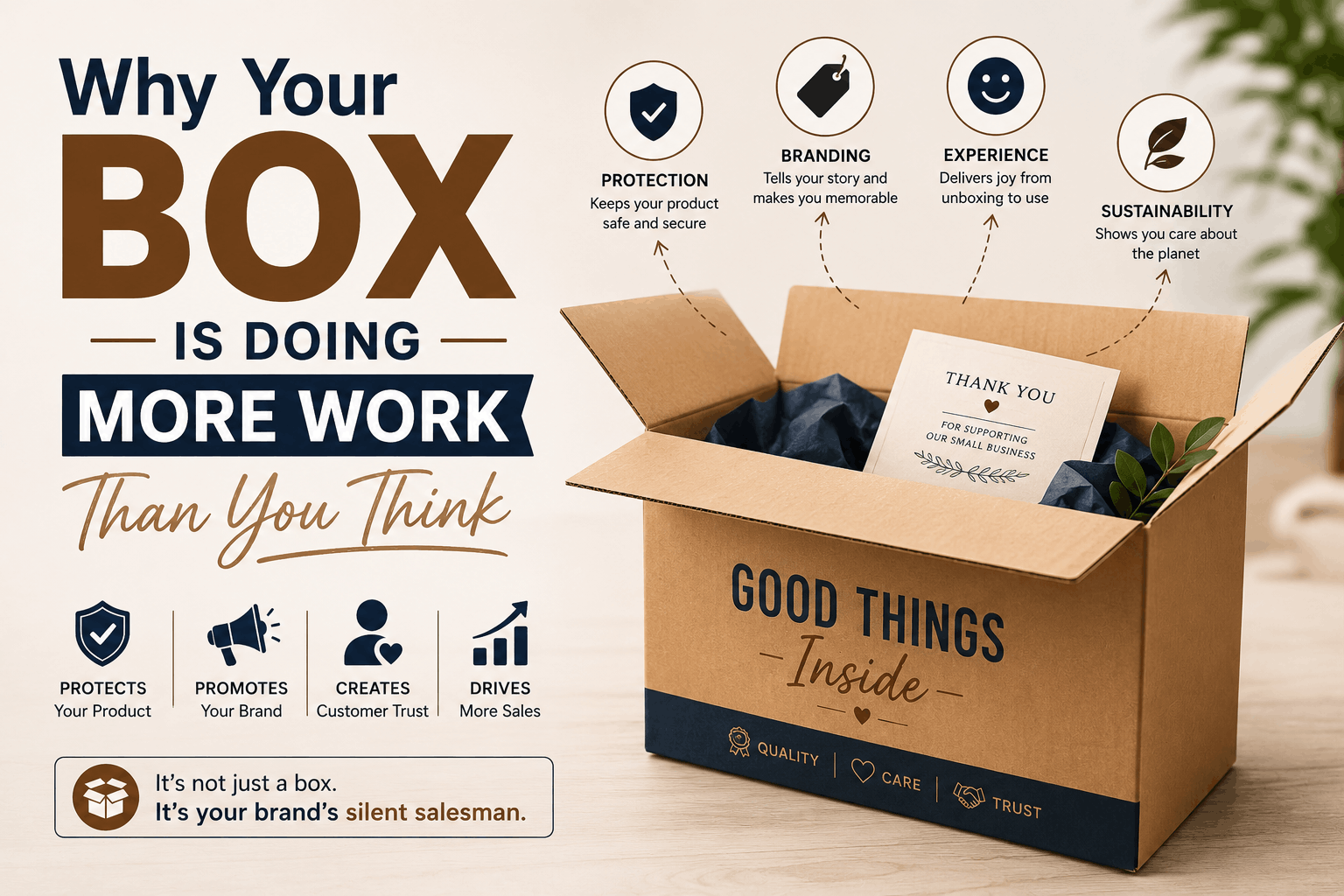
A bakery box has three jobs at once: keep the product intact, keep it fresh, and make someone want to buy it before they’ve even opened the lid. Most bakeries get the first two right and underinvest in the third — which is a shame, because packaging is one of the few marketing tools that reaches every single customer, every single time, without an ad budget.
Think about the last time you bought something baked from a shop you didn’t already know. There’s a decent chance the box or bag had something to do with the decision — a color that stood out, a window that showed off the product, a logo that looked like it belonged to a “real” business rather than a hobby. That’s the effect good packaging has, and it’s the reason custom boxes tend to outperform generic ones even when the product inside is identical.
Picking a Material: Cardboard, Kraft, or Corrugated
This is usually the first real decision, and it comes down to what you’re packing and how far it’s traveling.
Folding cardboard (SBS/paperboard) is the standard choice for cookies, pastries, cupcakes, and small cakes. It’s rigid enough to hold shape, takes printing and coatings well, and is the most budget-friendly option for retail-facing boxes.
Kraft paperboard has become popular for bakeries leaning into a rustic or handmade aesthetic — think artisan bread, small-batch cookies, or farmers’-market-style branding. It’s naturally brown, recyclable, and pairs well with minimal, ink-light designs if you want to keep printing costs down.
Corrugated board is the right call for anything heavy or fragile in transit — multi-tier wedding cakes, large sheet cakes, or anything shipped rather than handed across a counter. The fluted middle layer adds cushioning that flat paperboard can’t match.
A quick rule of thumb: if it’s staying local and being carried by hand, paperboard or kraft is usually enough. If it’s being shipped or stacked, pay the small premium for corrugated.
Window or No Window?
Window cutouts (or die-cut openings) let customers see the product before opening the box, which matters more for some items than others. A frosted cake or a tray of colorful macarons benefits enormously from a window — the visual is part of the sale. A single croissant or a loaf of bread doesn’t need one; solid packaging protects the product just as well and costs a bit less.
If you do go with a window, PET or PLA film linings are standard. PLA is compostable and worth the small upcharge if sustainability is part of your brand story — more on that below.
Sizing: The Detail Most Bakeries Get Wrong
Oversized boxes are the most common packaging mistake in the bakery world. A cake that shifts around inside a box that’s too big is more likely to arrive damaged, and loose packaging photographs poorly for the customer’s inevitable unboxing post. As a starting point:
- Cupcakes: individual box height should clear the frosting by about half an inch, with insert trays to stop sliding
- Cakes: leave roughly 1 inch of clearance around the diameter, not more
- Cookies/pastries: depth should match stack height closely — extra vertical space just means more shifting in transit
If you’re ordering custom sizing, it’s worth measuring your actual product (not the recipe’s “standard” size) before finalizing dimensions.
Printing and Branding: What’s Worth Paying For
Full-color CMYK printing is standard now and shouldn’t cost a fortune at reasonable order volumes. Where the spending decisions get harder is on finishes:
- Matte or soft-touch lamination reads as premium and hides fingerprints — worth it for higher-end product lines like wedding or specialty cakes
- Foil stamping or embossing works well for logos but adds cost fast if overused; it’s most effective as an accent, not a full design
- Simple one- or two-color printing on kraft can look just as intentional as a full-color design if the layout is clean — don’t assume more color automatically means more professional
The honest advice here: your logo and box color should be consistent with everything else customers see from your brand — your storefront, your social media, your bags. Inconsistent branding across touchpoints does more damage than a slightly less fancy box finish.
Sustainability: Real Considerations, Not Just a Buzzword
Eco-friendly packaging gets mentioned everywhere, but the practical version of that conversation usually comes down to three things:
- Recyclability — most uncoated paperboard and kraft packaging is curbside recyclable; glossy laminates and certain film windows often aren’t, so check with your supplier if this matters to your customers
- Sourcing — FSC-certified board comes from responsibly managed forests, and it’s a small line item to ask about when requesting quotes
- Right-sizing — the most overlooked sustainability lever is simply not over-packaging; smaller, well-fitted boxes use less material and cost less to ship
If sustainability is central to your brand, it’s worth saying so directly on the box itself — customers notice, and it doesn’t require the fanciest materials to communicate.