Description
Custom Book Slipcase Boxes: Premium Protection for Books and Special Editions
A beautifully produced book deserves packaging that preserves its appearance and complements the quality of its contents. For publishers, authors, bookstores, and businesses producing premium publications, custom book slipcase boxes offer an elegant way to protect books while giving them a distinctive presentation. A well-fitted slipcase surrounds the book with a protective outer structure, helping shield its cover and edges from everyday handling, dust, and surface wear.
Beyond protection, book slipcases can become an important part of the reading and collecting experience. They are commonly used for limited editions, hardcover publications, illustrated books, corporate reports, and special gift collections. With customized dimensions, printed artwork, and carefully selected materials, businesses can create packaging that reflects the value and character of the publication.
ZJ Packaging can be a starting point for businesses exploring custom packaging solutions for books, printed materials, and premium publishing projects.
What Is a Book Slipcase and How Does It Work?
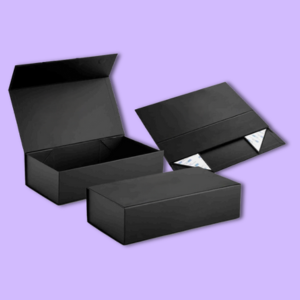
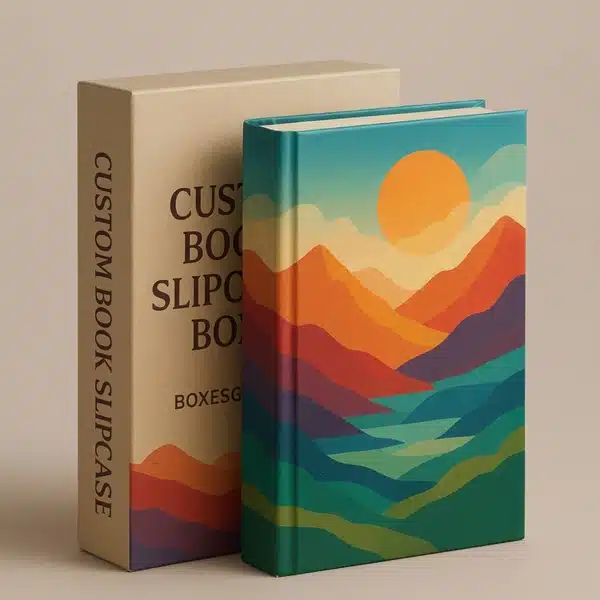
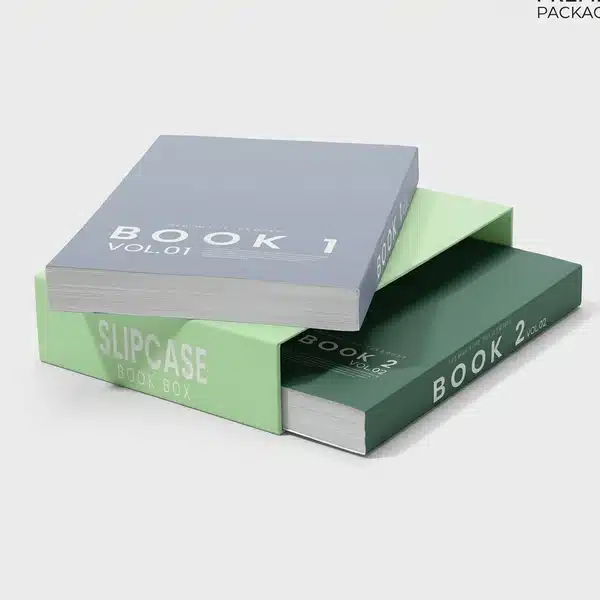
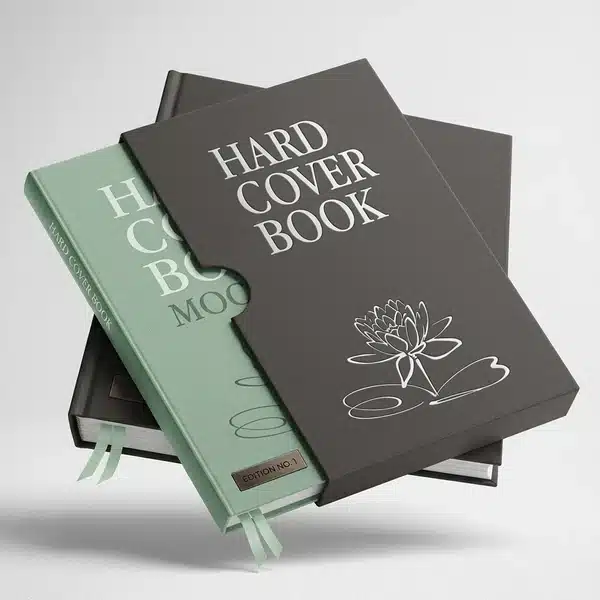
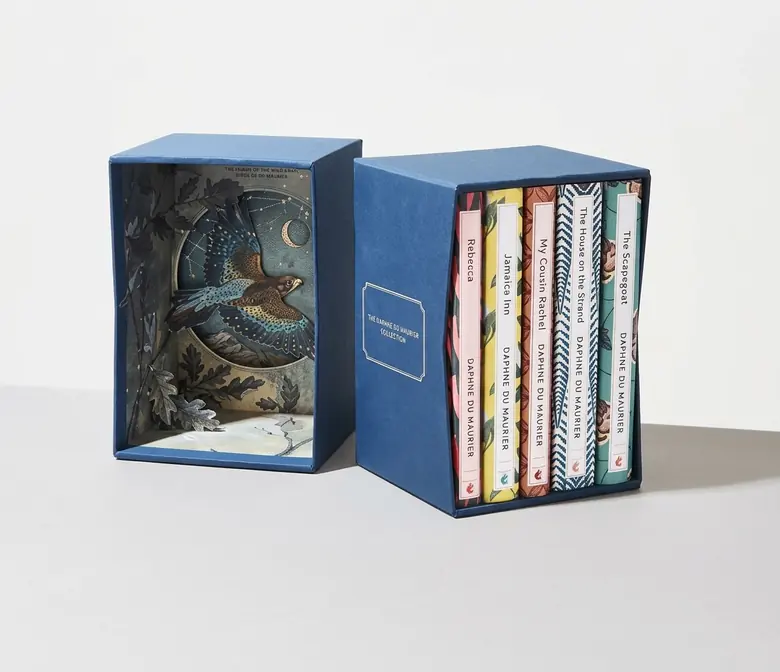
A book slipcase is a protective outer sleeve designed to hold one or more books. Unlike a traditional book box with a separate lid, a slipcase usually has an open side through which the book slides in and out. The remaining panels surround the book and provide support during storage and display.
A Practical Alternative to Standard Book Packaging
Standard book packaging may be sufficient for everyday publications, but premium books often require a more tailored presentation. A custom slipcase is manufactured according to the book’s dimensions, allowing the finished package to fit closely around the publication.
This format is particularly useful when a book has a decorative cover, a dust jacket, a special binding, or a large format that benefits from additional support. The close-fitting structure also allows several volumes to be presented together as a coordinated collection.
Protecting the Book Without Hiding Its Identity
The purpose of a slipcase is not simply to cover a book. It should complement the publication and make it easy to identify when displayed on a shelf.
Publishers can print the title, author name, series information, or decorative artwork on the exterior panels. For collector editions, the slipcase may feature artwork that continues the visual theme of the book itself.
The design should leave enough clearance for smooth removal without making the case so loose that the book shifts unnecessarily.
Which Books Benefit Most from Custom Slipcases?
Not every publication needs a slipcase, but certain types of books benefit considerably from the added structure and presentation.
Collector Editions and Limited-Release Publications
Special editions are often produced with distinctive covers, premium paper, illustrations, or carefully finished bindings. A custom slipcase helps protect these features while giving the edition a more complete appearance.
Collectors may keep these books for many years, making storage and handling important considerations. A suitably constructed slipcase can help reduce exposure to dust and minor surface contact, although it does not replace proper storage conditions or careful handling.
Multi-Volume Book Sets
Encyclopedias, reference collections, literary series, and educational publications are often sold in multiple volumes. A shared slipcase can keep the books together and create a unified presentation.
The interior dimensions should account for the combined thickness of the volumes, while the exterior can display the series title or a continuous design across the collection. This approach is useful for publishers who want separate books to feel like part of one complete set.
Art Books and Photography Collections
Art books and photography publications often contain large images and carefully arranged visual content. Their covers may also use specialty printing, textured materials, or other decorative treatments.
A custom book slipcase provides an additional outer layer that can help protect these publications during storage and handling. Its design can complement the artwork inside, making the complete package suitable for galleries, museums, design studios, and premium retail collections.
Corporate Publications and Commemorative Books
Businesses sometimes produce books to celebrate anniversaries, document company history, present architectural projects, or showcase major achievements. These publications may be distributed to clients, employees, investors, and business partners.
A branded slipcase can help present the publication as a carefully prepared corporate item. Company logos, project titles, and coordinated colors can create a professional finish without overwhelming the content of the book.
Materials That Influence Slipcase Quality
The material used in a book slipcase affects its strength, appearance, weight, and overall durability. The most suitable choice depends on the size of the book, the expected frequency of use, and the desired presentation.
Rigid Board for Structural Support
Rigid board is commonly considered for premium slipcases because it provides a firm structure that can maintain its shape during normal handling. It can be covered with printed paper, specialty paper, or other suitable materials to achieve different appearances.
For heavier books or multi-volume sets, the board thickness and construction should be selected carefully. The case needs to support the publication without becoming unnecessarily bulky or difficult to handle.
Decorative Paper and Surface Finishes
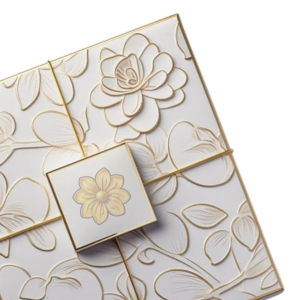
The exterior covering offers an opportunity to customize the look and feel of the slipcase. Options may include smooth printed paper, textured coverings, understated solid colors, or designs featuring detailed illustrations.
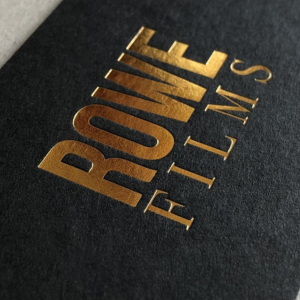
Finishing techniques such as foil stamping, embossing, debossing, and lamination may also be considered, depending on material compatibility and production requirements.
A minimalist design with a clear title can work well for literary collections, while illustrated or patterned surfaces may better suit art books and special editions.
Design Details That Make a Slipcase More Functional
A successful slipcase must fit the book properly and remain comfortable to use. Visual design matters, but the structure should be developed around the publication’s physical characteristics.
Precise Sizing and Easy Book Removal
The dimensions should account for the book’s height, width, spine thickness, and any dust jacket or protective covering. For a multi-volume set, the combined dimensions of the books must also be considered.
A case that is too tight may make the book difficult to remove or cause unnecessary friction against its cover. Excessive space, however, can allow the publication to move around inside.
Prototype testing is particularly valuable for books with unusual dimensions, delicate covers, or heavy bindings. Testing the actual book helps confirm that the slipcase provides a suitable fit.
Exterior Graphics and Typography
The slipcase offers a dedicated surface for communicating the identity of a publication. Titles, author names, publisher logos, series numbers, and artwork can all contribute to the design.
Text should remain readable, especially when the book is stored vertically on a shelf. Important design elements should also be positioned with the edges and open end of the case in mind, since these areas may be less visible when the book is stored.
For multi-volume sets, consistent typography and aligned artwork can help the entire collection look organized.
Custom Book Slipcase Boxes for Publishing and Retail
Book slipcases serve different purposes depending on how the publication is distributed. Understanding the intended use helps determine the right construction and finish.
Bookstores and Specialty Retailers
For retail environments, the slipcase can help distinguish premium publications from standard editions. A coordinated exterior makes the product easier to identify and can support a more polished shelf display.
Publishers should consider how the slipcase will be handled by customers and retail staff. The materials and dimensions should be suitable for repeated removal and replacement of the book.
Gift Sets and Promotional Publications
A slipcase can add value to a book intended as a gift. Publishers and businesses may use this format for commemorative editions, branded publications, educational sets, and special event books.
When the book and slipcase are designed together, the colors, artwork, and typography can create a consistent presentation. Additional components, such as an accompanying booklet, should be considered during the initial design process if they need to fit inside the package.
Storage and Distribution
Books may travel through warehouses, distribution centers, retail stores, and postal services before reaching the reader. A slipcase can provide some protection against dust and minor abrasion, but its ability to withstand shipping impacts depends on its construction.
For postal or courier delivery, the book and slipcase may need an additional shipping carton and suitable cushioning. Testing the complete shipping arrangement helps identify whether extra protection is necessary.