
Description
Custom Magnetic Closure Boxes: Packaging That Customers Hold On To
Last year a client sent us a photo of his shop shelf. Every product sat in a plain carton except one, a perfume set in a black box with a gold logo. He told us that was the first thing customers reached for, even though it cost the most. We hear this kind of thing a lot at ZJ Packaging. We’ve been making custom boxes for over ten years, and magnetic closure boxes come up in our orders almost every week.
Below you’ll find how these boxes are made, what they suit, and the errors we see buyers make, so you can avoid them.
What Is a Magnetic Closure Box?
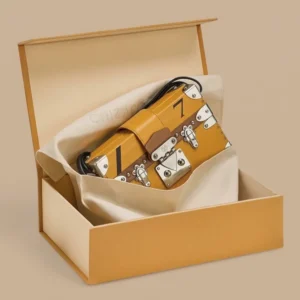
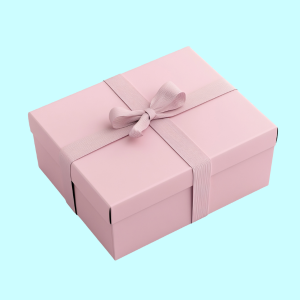
Think of a rigid box with a lid that closes on its own. Small magnets sit in the lid and the base, tucked under the paper, and when the two halves meet they snap together. No tape. No ribbon. No clasp. On the outside you just see a smooth box with your brand on it.
The board is thick, so the box feels heavy and doesn’t dent easily. People notice that weight straight away. Pick up something solid and you assume the thing inside is worth paying for.
How the Box Is Built
Customers usually look at the outside only, but a fair bit happens underneath.
At the centre is greyboard, normally 1.5mm to 3mm thick, chosen to suit the product. Printed or textured paper is pasted over it, and that’s where your artwork lives. The magnets go between the board and the paper. Inside, there’s a lining (often a plain colour to match your brand), and then an insert that keeps the product from moving.
Styles We Make
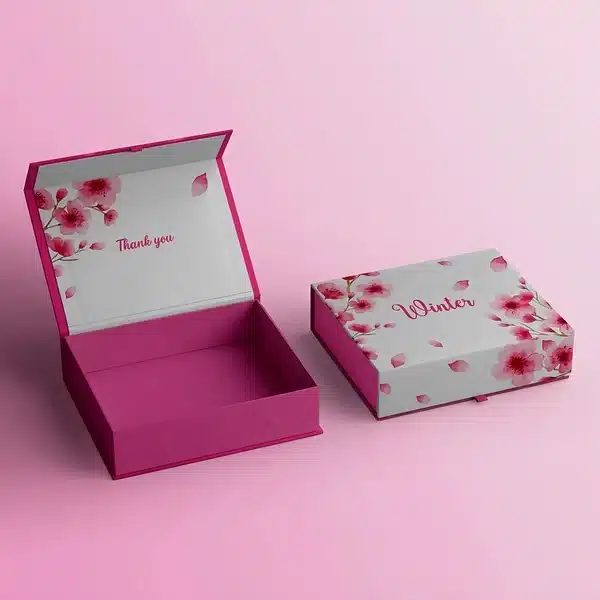
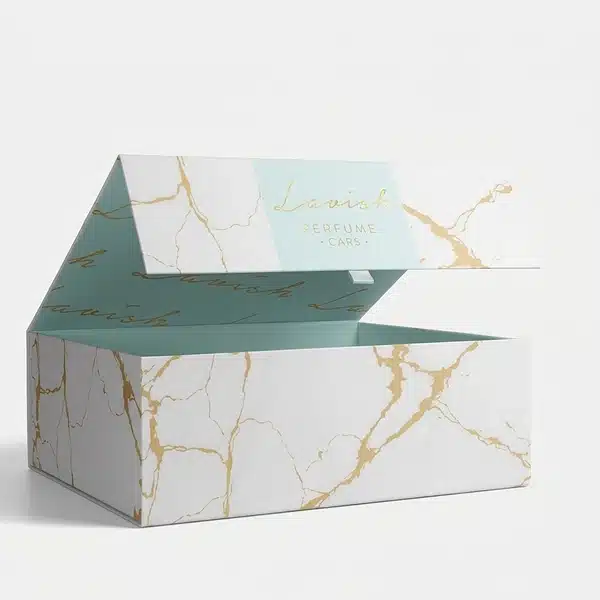
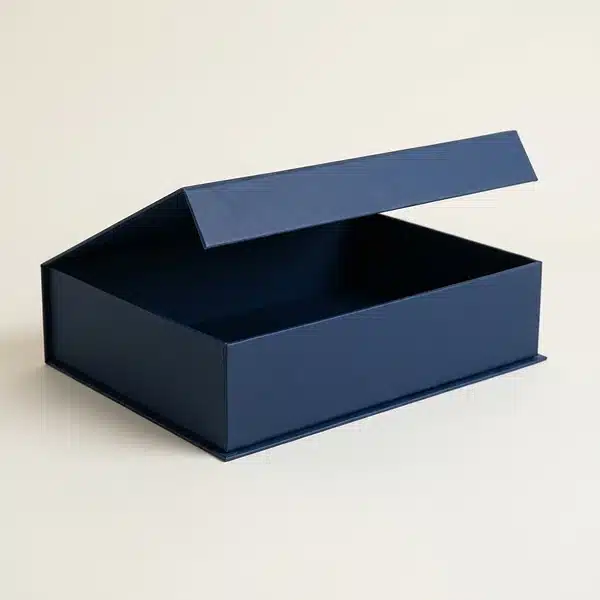
Book-style boxes open like a book, with the lid hinged along one side. Gift sets and beauty products mostly go in these.
Shoulder neck boxes have a lid that slides down over a base with a raised neck. They look quite formal, which is why perfume and watch brands like them.
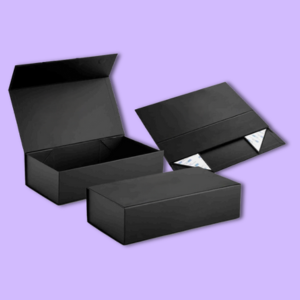
Collapsible magnetic boxes come flat and the customer opens them out. Shipping costs drop a lot, but the board is slightly lighter than a fully rigid box, so think twice for heavy products.
Ribbon-pull boxes have a small ribbon tab under the lid. It makes the box easier to open and looks neat.
Drawer-style boxes have a tray that slides out of a sleeve. They aren’t always magnetic, but some clients ask us to fit a magnet so the drawer shuts cleanly.
Why Brands Pick Them
The biggest reason is that the product looks more expensive. Buyers judge things partly by how they arrive, so a well-made magnetic box can lift a mid-priced item into high-end territory.
Protection is the next one. Add an insert cut to the exact shape of your product and nothing rattles around. Glass bottles, jewellery and electronics travel far better than they would in a thin carton.
People also hold on to these boxes. They use them for storage or pass them along as gift boxes, so your logo stays in someone’s house for years. A plain brown carton rarely gets that treatment.
Then there’s the camera. Plenty of customers film unboxings these days, and a box that opens smoothly and shows the product cleanly gives them something to post.
Last-minute gift buyers matter too. If your product already comes gift-ready, they don’t have to wrap it, and that can be the reason they choose you over someone else.
What People Pack in Them
Mostly pricier items and gifts: jewellery, watches, cufflinks, perfume and skincare sets, corporate hampers, wedding cards and invitations, shoes, scarves, fashion accessories, chocolates and sweets, headphones, power banks and other small gadgets.
Packing Food?
Chocolates and sweets shouldn’t touch the board or paper directly. Tell us when you first get in touch and we’ll add a food-safe tray or liner. It’s a small detail, but it’s much easier to plan from the start.
What You Can Customize
Nearly every part of the box can change.
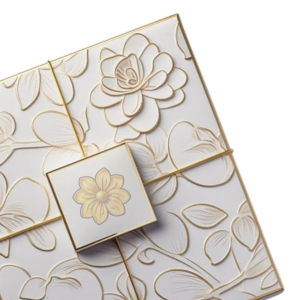
Start with size and shape. We measure your real product so the fit is snug and there are no gaps. Next comes the wrapping paper: matte, glossy, linen-textured or soft-touch, which feels slightly velvety. You can print full-colour artwork or a simple one-colour logo, whichever suits your budget and style.
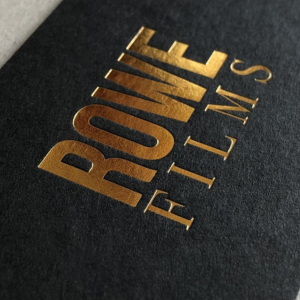
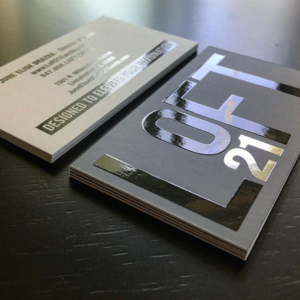
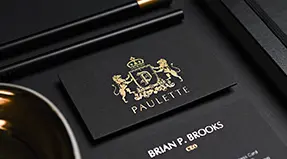
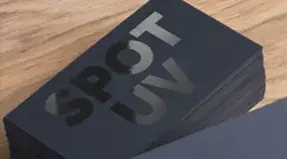
On finishing, the usual choices are gold or silver foil, embossing, debossing and spot UV on chosen areas. Inserts can be EVA foam, cardboard or velvet-covered trays. If you sell gifts, seasonal designs for Eid, Christmas or the wedding season can give sales a real push.
My advice? Pick one or two finishes and do them properly. A black matte box with a small gold logo nearly always beats one with every effect stacked on top.
Colour Tips That Save Reprints
A screen never shows colour the way paper does, and the difference grows on dark or textured wraps. Navy and black can swallow fine detail, so keep small text bold and clear. If your brand colour has to be exact, send us the Pantone code and we’ll match it as closely as the paper allows.
Before You Order
Begin with your product’s weight. The magnets are strong, but a very heavy item may need thicker board or a different lid style.
Think about shipping next. Rigid boxes take up room, so if you send out lots of parcels, an outer carton or a collapsible version can cut costs.
Then quantity. A larger order brings the price per box down, but get a sample approved first. Colour, fit and magnet strength are far easier to judge with the box in your hand.
Keep the lead time in mind too. Rigid boxes take longer than simple cartons, so don’t wait until the week of your launch.
And be honest about your budget. Rigid boxes cost more than folding cartons. If money is tight, say so. We can often suggest thinner board, simpler finishes or a smaller insert and still keep the premium look.
Mistakes We See Again and Again
Guessing the size. Clients estimate the dimensions and the product ends up loose or squeezed. Give us exact measurements, or better, send the product itself.
Piling on finishes. Foil, spot UV, embossing and a pattern on one box usually looks messy.
Skipping the sample. It feels like a delay, but it’s the cheapest way to avoid an expensive reprint.
Ordering late. Rushed jobs leave less time to check things, and that’s when small errors slip through.
Why Choose ZJ Packaging?
Lots of people can make a box. With rigid packaging, quality shows in the small details: lids that sit evenly, magnets that pull equally on both sides, and paper wrapped without bubbles or creases. We check all of this on every order before it leaves us.
You’ll talk to people who know the process and who’ll tell you straight if a design idea won’t work. We help with sizing, materials and finishes, and keep you updated from sample approval to delivery.