Description
Grey Board Boxes: A Reliable Foundation for Quality Packaging
Behind many well-made packaging products is a material that customers rarely notice but often benefit from: grey board. Known for its firm structure and versatility, this paper-based material is widely used in packaging that needs to maintain its shape and provide a solid foundation for different finishes.
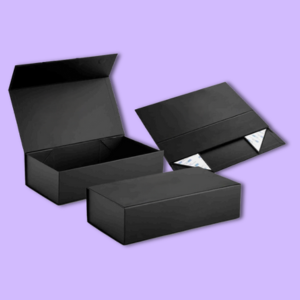
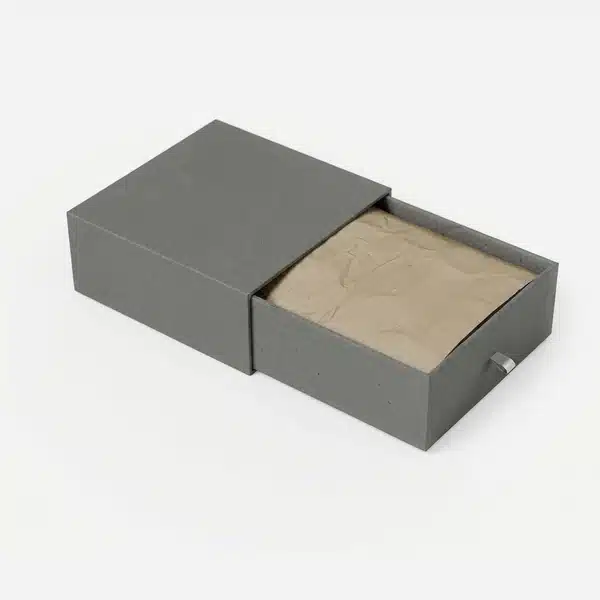
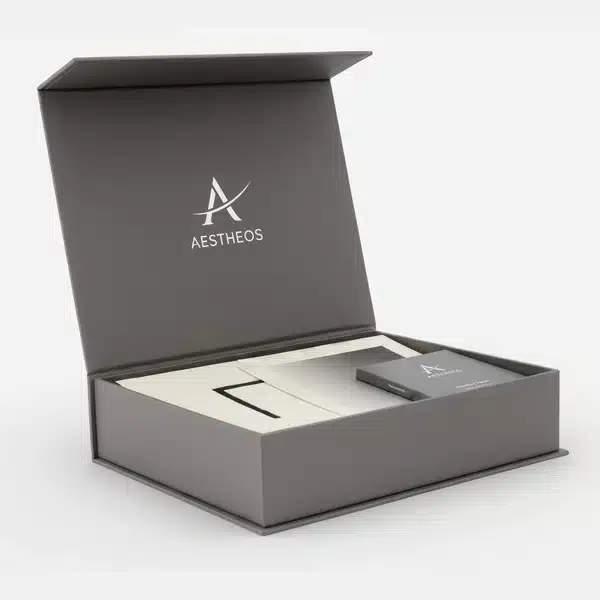
Grey Board Boxes are suitable for businesses looking for packaging that combines structural support with design flexibility. From product presentation and storage to gift packaging and retail applications, these boxes can be developed in different sizes and styles according to the needs of the product.
At ZJ Packaging, businesses can explore customized packaging solutions that use suitable board specifications, exterior coverings, and finishing options to create packaging aligned with their brand requirements.
What Is Grey Board and Why Is It Used?
Grey board is a dense paper-based board commonly manufactured from recycled paper fibres. Its grey appearance comes from the material’s composition and manufacturing process. Depending on its grade and intended application, it can provide a firm base for packaging structures that need to retain their shape.
One of its main advantages is its suitability for converting into packaging components. It can be cut, shaped, and assembled into box structures, while its surfaces can be covered with printed paper, decorative paper, or other suitable materials.
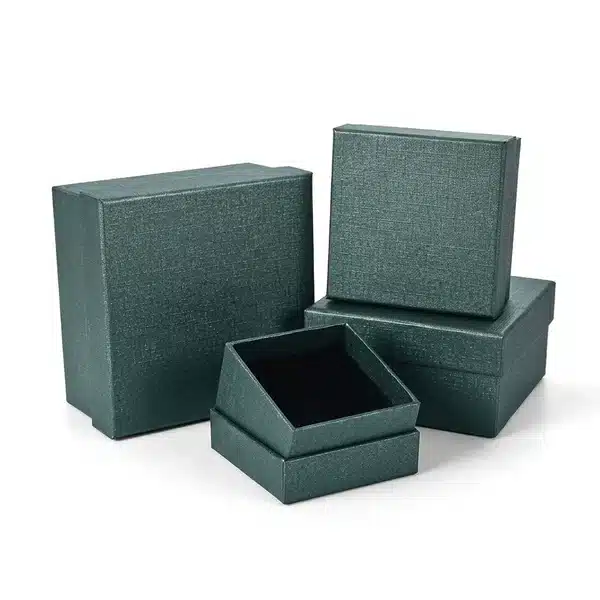
Grey board is frequently used in rigid packaging because it provides the structural core beneath the visible exterior. The finished box may look colorful, textured, or luxurious even though the underlying board has a simple grey appearance.
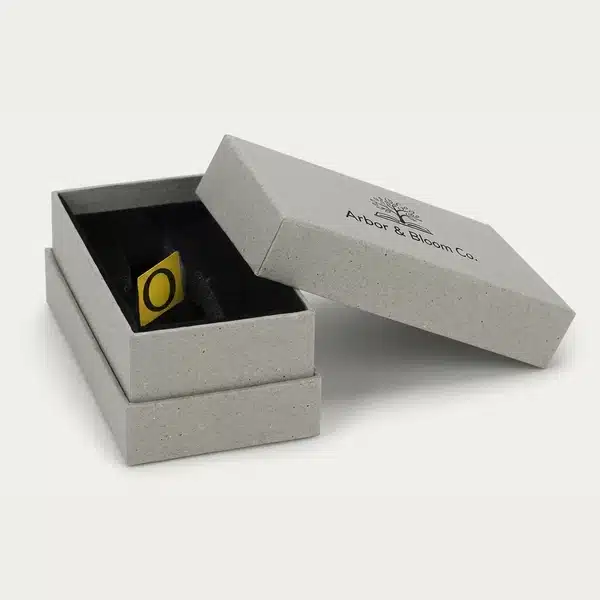
It is important to distinguish between an exposed grey board box and a rigid box made with grey board covered by another material. Both use the board, but their appearance, construction, and intended applications may differ.
How the Board Specification Affects the Final Box
Not all grey board performs in the same way. Its thickness, density, stiffness, and overall quality influence how it behaves during production and everyday use.
A suitable specification should be selected according to the box dimensions, product weight, and required level of support. A small box for lightweight accessories may not need the same construction as a large box intended to hold heavier products.
The board’s thickness also affects the finished dimensions. Designers need to account for the material when calculating internal space, especially when a product must fit precisely inside a box or when inserts and compartments are included.
For larger packaging formats, stiffness and structural stability become particularly important. An unsuitable board specification may result in unwanted bending, weak corners, or a box that does not retain its intended shape.
For this reason, choosing grey board should begin with the product’s practical requirements rather than thickness alone.
From Plain Board to a Finished Packaging Product
The transformation from raw board to a finished box involves several decisions that affect appearance and performance.
Cutting and Structural Preparation
The board is cut according to the required dimensions and construction. Accurate cutting helps maintain consistent edges and allows different components to fit together correctly.
Forming and Assembly
Depending on the box style, the cut components are folded, wrapped, joined, or assembled into the intended structure. Strong corners and accurate alignment contribute to the finished box’s stability.
Surface Covering
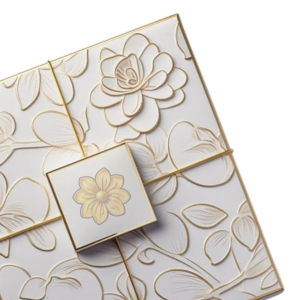
Grey board can be covered with printed paper, colored paper, textured materials, or other suitable coverings. This step creates the visible exterior and allows the packaging to match a company’s branding.
Finishing and Quality Checks
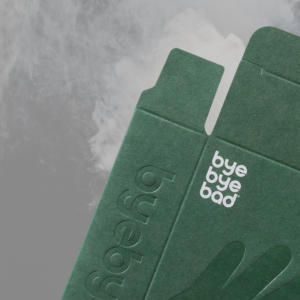
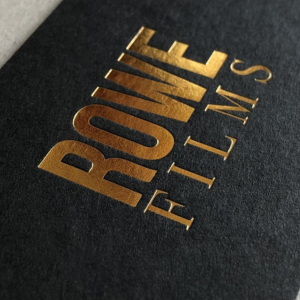
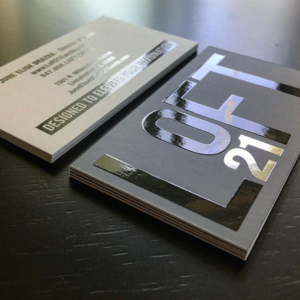
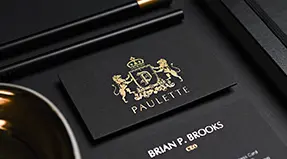
Additional features may include foil stamping, embossing, debossing, lamination, or printed graphics. Before approval, the finished box should be checked for dimensions, surface quality, alignment, and overall construction.
The precise manufacturing process varies with the packaging style and materials selected. A carefully planned workflow helps ensure that the final product meets both design expectations and practical requirements.
Where Grey Board Boxes Fit into Business Packaging
Because grey board can support a variety of constructions, it serves different packaging needs across industries.
Retail product packaging: Covered grey board can provide a sturdy foundation for products that benefit from a structured presentation. The exterior can be customized with brand colors, graphics, and product information.
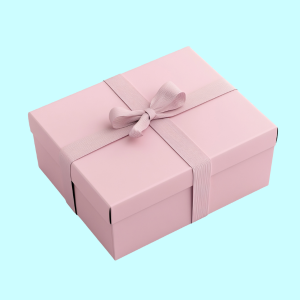
Gift and presentation boxes: Businesses can use grey board as the core material for gift boxes that require a solid shape and a coordinated decorative finish.
Books and stationery: The material can be used in selected book covers, presentation cases, document boxes, and stationery packaging where dimensional stability is important.
Electronics and accessories: Grey board can form part of a packaging structure designed around smaller devices and accessories. Protective inserts may be added where the product needs extra support.
Storage and organization: Suitable board constructions can be developed for document storage, keepsake boxes, and other organizational applications where a defined shape is useful.
The appropriate design depends on the product, intended handling, and expected service life. Heavy or fragile contents may require stronger construction or additional protective components.
Choosing Between Exposed Grey Board and Covered Boxes
One important design decision is whether the grey board should remain visible or serve as a hidden structural layer.
An exposed grey board finish can suit practical, understated packaging where a simple material appearance is acceptable. It may also work for applications where decoration is less important than structure and organization.
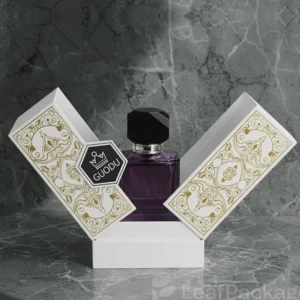
Covered grey board provides greater flexibility for branding and presentation. A printed paper wrap can introduce graphics and brand colors, while a textured covering can create a more distinctive tactile appearance. Foil details or embossed logos can be added when the design calls for a premium finish.
The choice should reflect the product’s position in the market. A packaging format intended for everyday storage may need a different finish from a presentation box used for corporate gifts or premium retail products.
Businesses should also consider how the box will be handled. Decorative coverings may require suitable surface protection when the packaging will experience frequent contact or extended storage.
Grey Board and Sustainable Packaging Considerations
Grey board is commonly associated with recycled paper fibres, making it a relevant material to consider when evaluating paper-based packaging options. However, the sustainability of a finished box depends on more than the core board.
Exterior coatings, laminations, adhesives, inks, inserts, and mixed materials can affect whether the finished package is recyclable through local collection systems. A box containing several different material layers may need different disposal arrangements from an uncoated paper-based design.
Businesses interested in improving packaging sustainability should ask suppliers about the board’s recycled content, available material documentation, and the compatibility of coverings and finishes with local recycling facilities.
Using the right amount of material also matters. A box should provide the necessary structure without being unnecessarily oversized or overbuilt for its intended purpose.
Clear material specifications help businesses make more informed decisions instead of relying on broad environmental claims.