Custom boxes need today’s business to connect with people to promote brands. Custom printed boxes firstly appeared in the 1800s, using lightweight cardboard boxes similar to the ones used now to package their flaked cereals.
Hardware products are often heavy, sharp, and sensitive to damage, which makes high-quality hardware packaging essential for safe retail display and secure transportation. Whether it’s screws, bolts, electrical tools, plumbing parts, or full-size equipment accessories — the right packaging protects the product and builds trust with buyers.
As customer expectations rise and brands move toward more professional presentation, custom hardware boxes are becoming a key part of the hardware industry. With durable materials, strong structure, accurate labeling, and attractive printing, hardware packaging ensures both product protection and brand identity.
This detailed guide covers everything you need to know about hardware packaging boxes — types, materials, benefits, uses, and customization options.
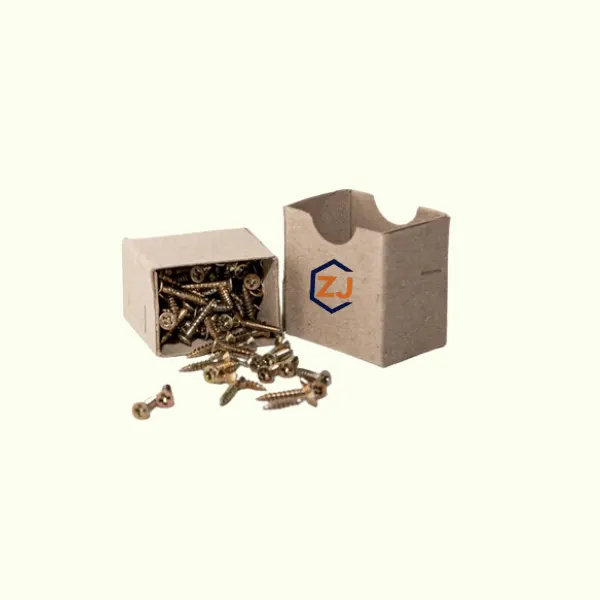
Hardware packaging includes all types of boxes, wraps, and containers used to store, protect, display, and transport hardware items such as:
Because these items vary in size, weight, and shape, hardware packaging must be:
To withstand pressure and heavy handling.
To prevent injuries and protect sharp edges.
To display product details, compatibility, usage instructions, and safety labels.
To make the product presentable and easy to identify.
Hardware items face challenges that most retail products don’t. Strong packaging is crucial for:
Heavy metal parts, tools, screws, and machinery components must be kept safe from:
Well-designed packaging maintains product quality from manufacturer to end user.
Packaging keeps sharp tools, pointed screws, and fragile components from causing injuries.
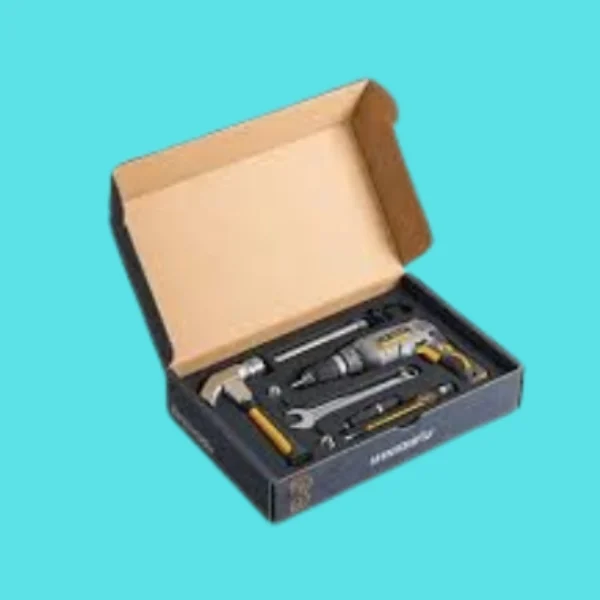
Hardware stores require clear, compartment-based packaging so customers can easily identify and compare products.
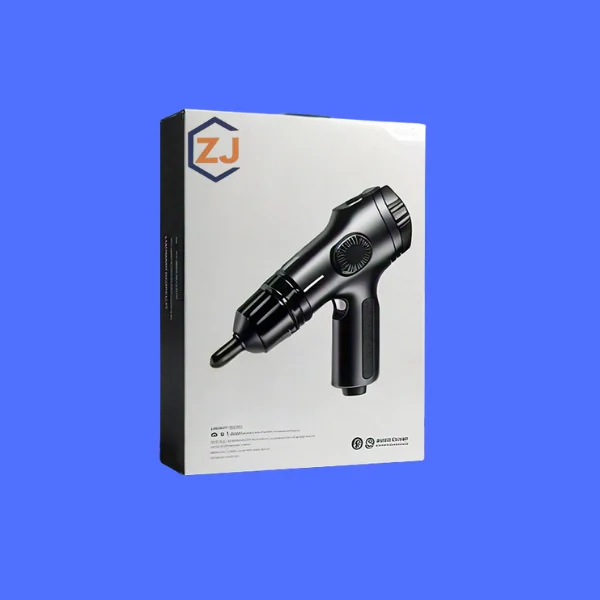
Printed hardware boxes with technical information help build credibility and customer trust.
Many hardware products require warnings, instructions, or barcode labeling — packaging ensures compliance.
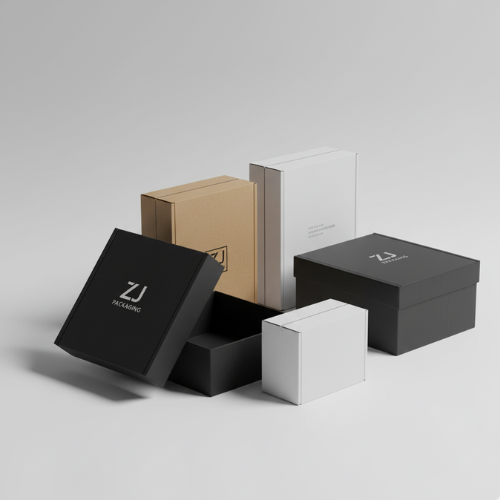
Different hardware items require different types of boxes. Here are the most effective and commonly used styles:
The strongest packaging option, built to handle weight and pressure.
Best For:
Benefits:
Ideal for small to medium-sized hardware items.
Best For:
Advantages:
Used widely for retail display items.
Best For:
Benefits:
Showcases the hardware product without opening the box.
Best For:
Benefits:
A sliding sleeve adds premium presentation and extra protection.
Best For:
Includes multiple sections inside one box.
Best For:
Benefits:
Hardware products need tough materials for full protection. These are the most reliable:
Three-layer construction provides superior strength for heavy items.
Eco-friendly and durable; ideal for mid-weight hardware items.
Premium and extremely sturdy; ideal for branded tools and electronics.
High visibility and impact resistance for retail display.
Custom packaging helps your brand stand out, especially in hardware stores with high competition.
These improvements add functionality and make the packaging more user-friendly.
Custom-made hardware boxes offer unmatched advantages:
Keeps items secure from rust, moisture, falls, and pressure.
Clear labeling and attractive printing make your product stand out.
Compartment-based designs help users keep items organized.
Logos, colors, and technical data strengthen your brand image.
Recyclable Kraft and cardboard help reduce environmental impact.
Hardware packaging is essential across multiple industries:
Custom hardware packaging is the best way to ensure product safety, brand visibility, and customer satisfaction. When designed properly, the packaging becomes:
Whether you sell small hardware accessories or heavy industrial tools, custom packaging enhances product value and customer trust.