
Introduction:
In today’s world, where sustainability has become a key focus, Kraft Paper vs Cardboard choice of packaging materials plays a big role in protecting our planet. Two of the most commonly used materials are Kraft paper and cardboard. Both are made from wood pulp and are known for their strength and versatility, but when it comes to being eco-friendly, they have some important differences. Kraft paper is often praised for being biodegradable and recyclable, while cardboard is valued for its sturdiness and reusability. Understanding how each material affects the environment helps brands and consumers make better, greener choices for packaging and everyday use.
How Kraft Paper Is Made:
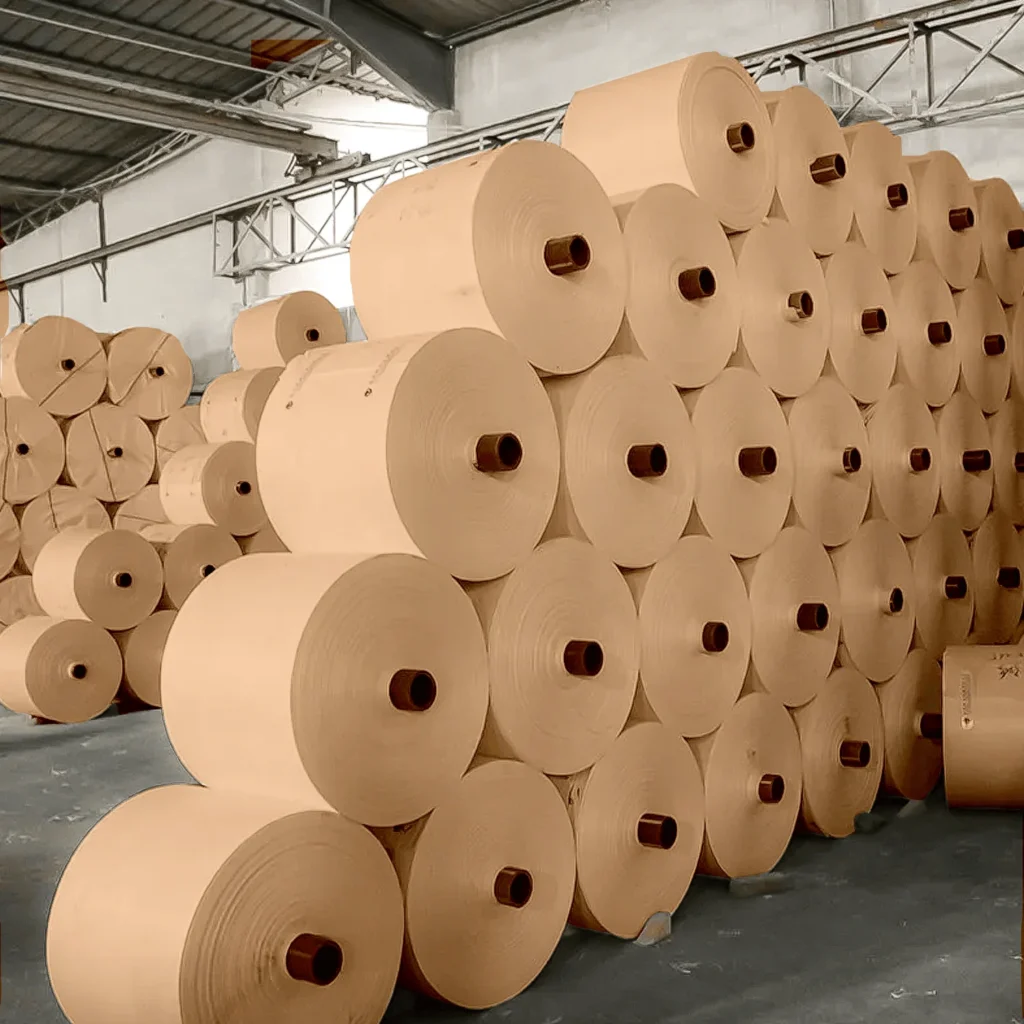
Kraft paper is made through a process called the Kraft pulping process, which focuses on turning wood into strong paper fibers. First, wood chips from softwood trees are mixed with chemicals like sodium hydroxide and sodium sulfide. These chemicals help break down the wood and separate the cellulose fibers, which are the main part of the paper. After this step, the mixture is washed and cleaned to remove any leftover chemicals or unwanted materials. The clean pulp is then pressed, rolled, and dried into large sheets of brown paper. This process keeps most of the natural strength of the wood fibers, making Kraft paper tougher and more durable than regular paper. It is also more eco-friendly because the chemicals used can be reused, and the process produces less waste overall.
How Cardboard Is Made:
Cardboard is made from a combination of recycled paper and fresh wood pulp. The process begins by mixing these materials with water to create a thick pulp. This pulp is then cleaned to remove any dirt or ink. After that, it is spread out on large screens and pressed to remove extra water. Once the pulp becomes thin sheets, it is dried and rolled into large paper rolls. To make corrugated cardboard, which is used in packaging boxes, one layer of paper is passed through hot rollers to form wave-like ridges, called flutes. These flutes are then glued between two flat sheets of paper to create a strong and lightweight material. This structure gives cardboard its strength and makes it perfect for packaging and shipping. Since most cardboard today is made from recycled paper, it is also considered an eco-friendly material when properly reused or recycled.
Strength and Durability Comparison:
When comparing Kraft paper and cardboard, both materials are known for their strength, but they serve slightly different purposes. Kraft paper is made using a special process that keeps the natural wood fibers strong, which makes it tear-resistant and flexible. It can handle moderate weight and is often used for wrapping, paper bags, and eco-friendly packaging. On the other hand, cardboard is thicker and has multiple layers, which gives it extra durability and the ability to carry heavier items. Corrugated cardboard, especially, has a wavy middle layer that adds strength and protects items during shipping. In simple words, Kraft paper is strong and flexible for light packaging, while cardboard is tougher and better for heavy-duty packaging and storage. Both are reliable, but the choice depends on how much strength your packaging needs.
Which Material Is Better for Eco-Friendly Packaging?
When choosing between Kraft Paper vs Cardboard for eco-friendly packaging, both are good options, but Kraft paper is usually the better choice for the environment. It is made from natural wood pulp, without heavy bleaching or harmful chemicals, which makes it fully biodegradable and recyclable. Kraft paper also breaks down faster in nature and causes less pollution during production. Cardboard, on the other hand, is also recyclable and often made from recycled paper, but its multi-layered structure and glue can make the recycling process a bit more complex. Cardboard uses more materials and energy to produce, especially corrugated types. In short, Kraft paper is the greener choice when you want simple, recyclable, and eco-friendly packaging, while cardboard is better when extra strength and protection are needed
Conclusion:
In conclusion, both Kraft Paper vs Cardboard play important roles in modern packaging, offering strength, durability, and sustainability. However, when it comes to being truly eco-friendly, Kraft paper stands out because it is made from natural materials, is easy to recycle, and decomposes quickly without harming the environment. Cardboard is also a good option for heavy-duty packaging and can be reused many times, but its production requires more energy and materials. Choosing between the two depends on your packaging needs—Kraft paper for light, eco-conscious packaging and cardboard for stronger, protective uses. Both materials support a greener future when used and recycled responsibly.