
Description
Luxury Handbag Packaging: The Complete Guide to Elevating Premium Leatherware Brands
In the competitive world of high-end fashion, the purchase of a luxury handbag is rarely a impulse decision. It is an investment, a status symbol, and an emotional experience for the buyer. Because of this, the presentation of the item must match the craftsmanship of the product itself. Luxury handbag packaging serves as the initial physical touchpoint between a brand and a customer, setting the tone for quality, authenticity, and prestige long before the leather is ever touched.
A plain or flimsy shipping box can immediately diminish the perceived value of a designer purse. Conversely, custom-engineered rigid packaging, complete with smooth finishes and delicate interior details, transforms unboxing into a memorable ritual. Premium packaging does not merely protect the product during transport—it reinforces brand identity and builds long-term customer loyalty.
The Strategic Power of Custom Packaging in Designer Fashion
The modern fashion retail landscape relies heavily on sensory marketing. When a customer receives a high-end handbag, every visual and tactile detail contributes to their overall evaluation of the brand.
Building Immediate Perceived Value Through Design
The outer structure of a box acts as a canvas for your brand identity. Clean architectural lines, heavy-duty structural boards, and understated color palettes communicate exclusivity. When packaging feels heavy and well-constructed in the hand, buyers naturally associate that weight with superior material quality and attention to detail.
Enhancing the Unboxing Experience
Unboxing has evolved from a simple functional task into a shareable social media event. Luxury consumers frequently capture their unboxing moments on platforms like Instagram and TikTok, giving designer brands organic visibility. Well-designed packaging with subtle branding, magnetic flaps, and ribbon closures creates a photogenic presentation that customers naturally want to share online.
Essential Structural Components of Luxury Handbag Boxes
Creating structural packaging for designer handbags requires a balance between aesthetic elegance and physical protection. Leather goods are sensitive to humidity, pressure, and rough handling, making structural integrity a top priority.
Heavy-Duty Rigid Board Construction
Unlike standard folding cartons, luxury handbag packaging relies on thick rigid greyboard wrapped in premium specialty paper. Thickness typically ranges from two to three millimeters, ensuring the box resists crushing or bending during transit. This structural rigidity protects the handbag’s shape and prevents creasing in soft leather panels.
Magnetic Closure Systems and Lid Styles
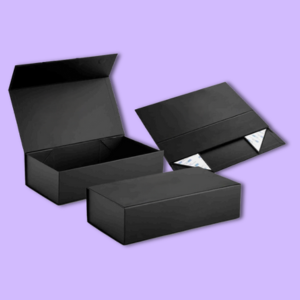
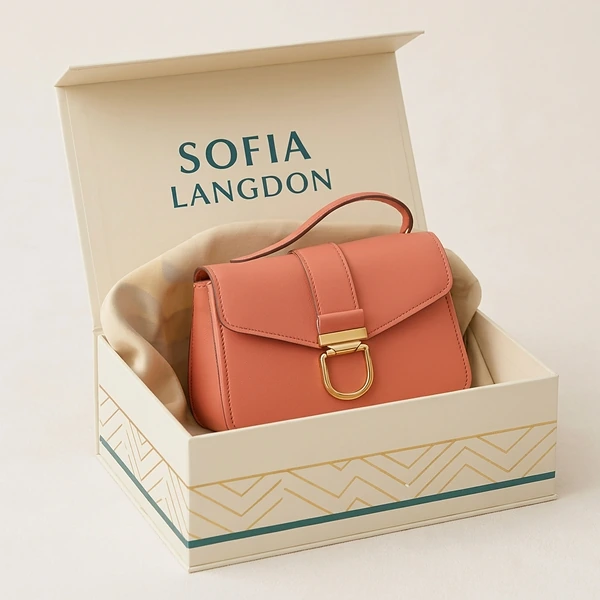
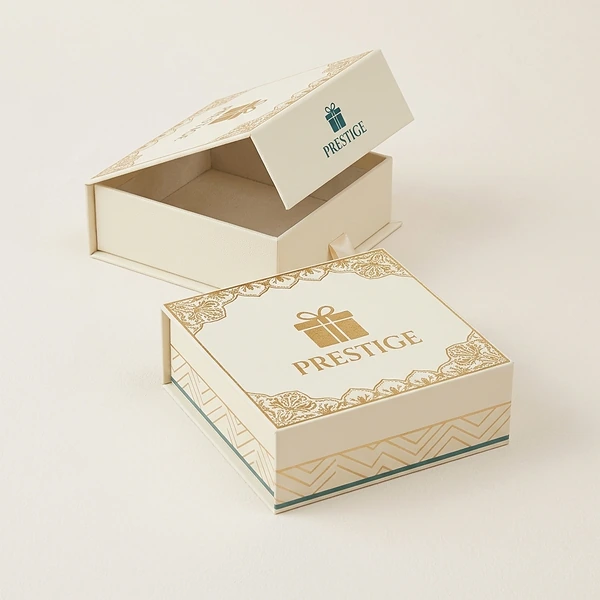
The way a box opens adds a tactile dimension to the unboxing ritual. Deep lid setup boxes and collapsible magnetic closure boxes are the most popular choices for designer bags. Hidden neodymium magnets embedded within the front flap provide a firm snap, keeping the lid securely closed while offering a seamless opening movement.
Collapsible Rigid Boxes for Efficient Logistics
For growing fashion brands, warehouse space and freight costs are major considerations. Collapsible magnetic boxes ship completely flat, significantly lowering storage requirements and shipping expenses. Once unfolded, built-in corner adhesives transform them into sturdy rigid boxes within seconds, offering the ideal balance between efficiency and luxury.
Surface Finishes and Branding Details
The surface texture of a packaging box communicates brand identity before a customer even opens the lid. Custom finishing techniques allow fashion labels to create distinct tactile contrast.
Soft-Touch Lamination and Matte Papers
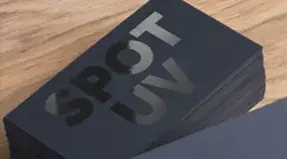
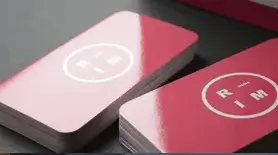
Soft-touch matte films give paper wrapped boxes a velvety, smooth texture that feels deeply luxurious to the touch. Unlike glossy coatings that reflect harsh light and show fingerprints, matte finishes maintain a clean, sophisticated appearance under any light setting.
Metallic Foil Stamping and Embossing
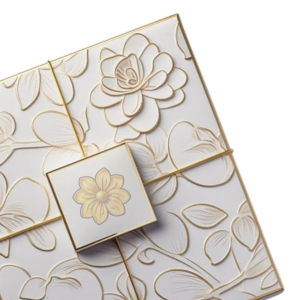
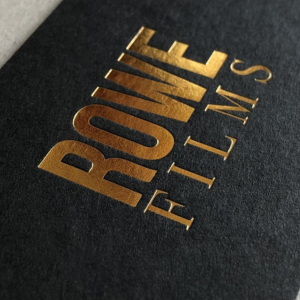
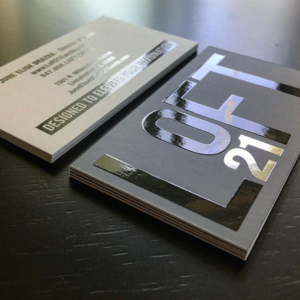
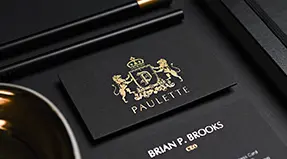
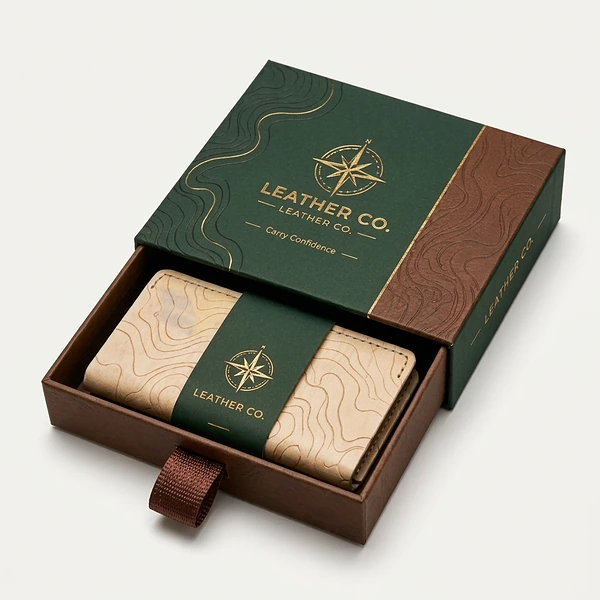
Branding elements like logos and wordmarks should be refined rather than overwhelming. Hot foil stamping in gold, silver, rose gold, or blind embossing adds subtle depth to the exterior cover. Raised foil techniques allow logos to catch the light gently, emphasizing the exclusive nature of the product inside.
Interior Protection and Complementary Accessories
The exterior box is only half of the packaging equation. Protecting the handbag inside requires soft interior accessories that prevent dust accumulation, scuffs, and metal hardware scratches.
Custom Cotton Dust Bags
A premium handbag should never sit directly against bare cardboard. Custom dust bags made from soft organic cotton, microfiber, or satin act as a protective shield against moisture and light. Dust bags are routinely kept by consumers for long-term wardrobe storage, ensuring ongoing brand visibility for years.
Tissue Paper Wraps and Branded Stickers
Wrapping the handbag in crisp, acid-free tissue paper adds an extra layer of anticipation during the unboxing process. Custom tissue paper printed with a repeating brand pattern, secured with a foil-stamped sticker, gives the interior a boutique-level finish.
Sustainable Luxury: Eco-Friendly Packaging Solutions
Modern luxury shoppers increasingly demand sustainability alongside high aesthetic standards. Environmental responsibility no longer requires compromising on quality or elegance.
By utilizing post-consumer recycled rigid greyboard, FSC-certified forest papers, and soy-based printing inks, fashion houses can create zero-waste packaging suites. Modern recyclable materials allow brands to maintain rich colors, sturdy structures, and velvety textures while significantly reducing their environmental footprint.
How to Source Custom Handbag Packaging for Your Brand
Designing custom packaging for leather goods requires careful planning and collaboration with specialized packaging manufacturers.
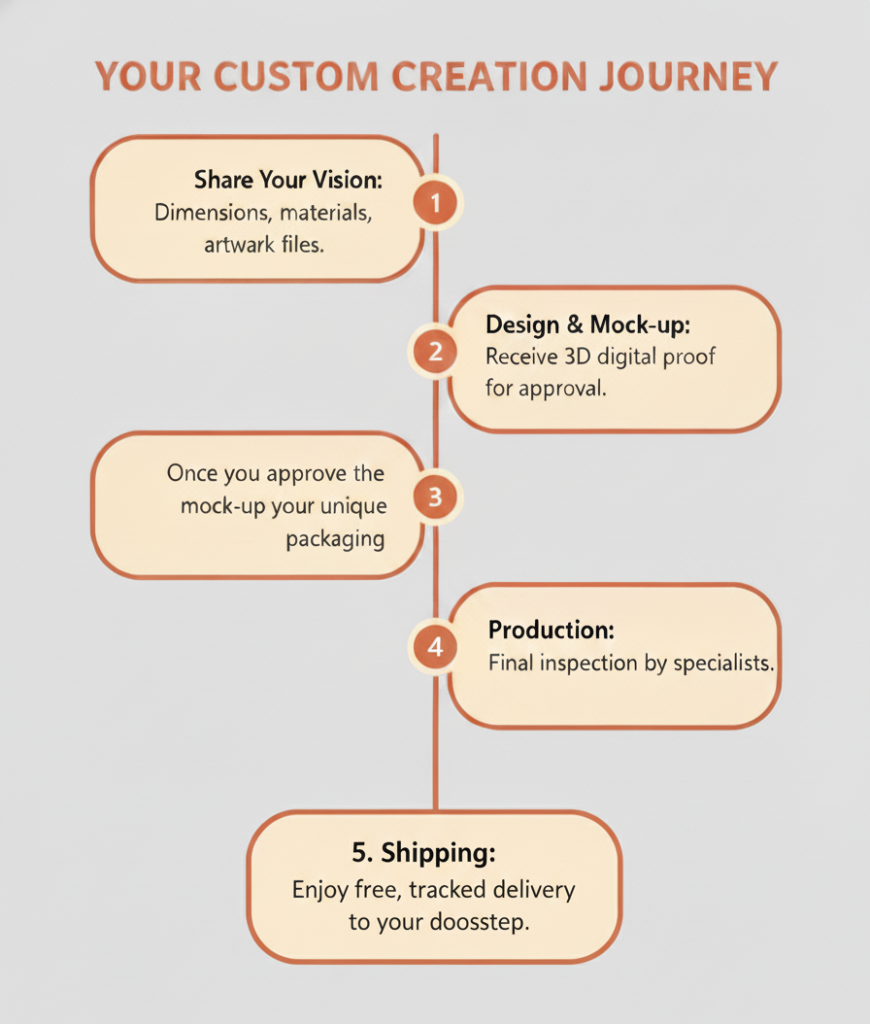
Accurate Measurement: Measure the handbag’s length, width, and height, accounting for handles and shoulder straps to ensure a relaxed fit without crowding.
Material and Finish Selection: Choose your preferred rigid board thickness, exterior wrapped paper style, logo foil color, and closure mechanism.
Dieline and Proof Approval: Test digital artwork and structural dielines to verify logo placement, box proportions, and fold alignments.
Sampling and Production: Always request a physical structural sample to test product fit and closure strength before approving full manufacturing.