
Offset vs Digital Printing: Which One Should You Actually Choose?
When you’re getting ready to print custom boxes, marketing materials, or stationery for your brand, sooner or later you’ll hit this exact fork in the road – offset printing or digital printing?
Sounds like a boring technical decision, right? It’s really not. This choice ends up shaping your final product’s quality, your budget, and how fast you actually get your stuff. Pick wrong and you either overspend for no reason or end up with packaging that just doesn’t match what you had in your head. So let’s break both of these down in plain terms so you can actually make the right call.
What Is Offset Printing?
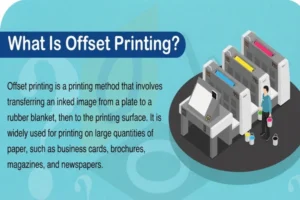
Offset printing, sometimes called lithography, is the older method here – but don’t write it off just because it’s been around a while. It works by transferring ink from a metal plate onto a rubber blanket, then finally onto whatever you’re printing. It takes setup time and calibration, but it’s still the industry standard when you want genuinely high-end results.
Why Offset Works Well
The color accuracy is hard to beat. If your brand has a very specific spot color – like an exact shade of corporate blue – offset handles that better than almost anything else. It uses custom-mixed inks instead of trying to fake the color using a CMYK blend.
It gets cheaper the more you print. This is really the main selling point. Setting up the plates costs money upfront, sure, but once the press is actually running, your cost per unit drops fast. Ordering 5,000 boxes? Offset almost always wins on price at that scale.
The finished quality just looks premium. Sharp images, crisp detail, that professional feel packaging needs when the goal is looking luxurious. Offset’s basically the gold standard here.
Where Offset Falls Short
It’s slow to get going. You can’t just hit print. Plates need to be made, machines need cleaning and setup. If you need something fast, this isn’t the route.
Small orders cost way too much. Because of that plate-making expense, offset gets painful once your order size shrinks. Fifty units and the per-box cost gets pretty ridiculous.
What Is Digital Printing?
Think of digital printing like a much bigger, more powerful version of a regular office laser printer. It pulls a file straight from your computer and puts it directly onto the packaging – no plates, no long setup, just data going straight to ink.
Why Digital Printing Wins in Certain Cases
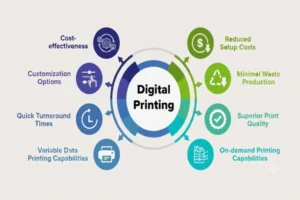
Turnaround is genuinely fast. Need 200 boxes by Friday? Digital’s built for exactly that. Upload the design, hit print, ship it out – way quicker than offset could ever manage.
Small batches barely cost more. Since there’s no plate to manufacture, the price gap between printing 10 boxes and 100 is basically nothing. That’s huge for small business owners who don’t want to gamble on a giant inventory upfront.
Every piece can be different. This one’s underrated. Digital lets you print unique serial numbers, names, or codes on each individual piece. Great for personalized campaigns or limited runs where every unit needs something different.
Where Digital Printing Struggles
Color precision isn’t quite as sharp. Digital presses rely on CMYK to approximate colors, and while modern presses are genuinely good, they sometimes can’t nail that exact, saturated brand color the way offset inks do.
Big orders get expensive fast. Once you’re printing in the thousands, digital’s per-piece cost basically stays flat, while offset’s cost keeps dropping. At high volume, offset wins pretty clearly.
Things to Think About Specifically for Box Packaging
Boxes are three-dimensional, which makes this whole decision a little trickier than printing flat materials.
Volume Should Guide Your Decision
Doing a big retail rollout? Talk to your printer about offset – it’s the smarter long-term move for consistency and lower unit costs. But if you’re a startup testing the waters, or launching some seasonal flavor for a few months, digital gives you room to adjust without getting stuck holding 10,000 boxes nobody wants.
Texture and Material Choice Matter Too
Offset presses generally handle a wider range of paper stocks and heavier cardstocks without much trouble. Some digital presses hit limits on thickness or special finishes though. Want heavy embossing, spot UV, or metallic foil on your box? Check first whether your digital printer can even handle those extras – a lot of luxury packaging actually runs through offset for the base print, then goes through a separate process for the fancy finish work.
Durability and Sustainability Matter Beyond Just Looks
Ink adhesion tends to be stronger with offset. Since the ink’s physically pressed into the paper, it usually has more of a baked-in, durable feel compared to digital.
Digital’s actually pretty sustainable for smaller runs. It barely produces any “makeready” waste – that’s the extra paper wasted while a machine’s calibrating its colors before the real run starts. Offset needs a fair number of test prints before it’s dialed in properly, which adds up over time.
So Which One Should You Pick?
Go with offset if you’re producing in the thousands, color accuracy really can’t be compromised, and you’re planning inventory months ahead. It’s the long-term, consistency-focused choice.
Go with digital if you’re launching something new, need speed, have a tighter upfront budget, or want personalization built into each unit.
Honestly, both methods are solid – they’re just built for different situations. You don’t have to commit to one forever either. A lot of brands actually start with digital to prove their product sells, then move over to offset once their order volume justifies it.
At the end of the day, packaging’s usually the first physical thing a customer touches from your brand. Whether you go digital or offset, just make sure your printer has a clear picture of your brand colors and material needs. Walk in with a solid plan, and they’ll help steer you toward whichever method actually gets your product looking the way it should.