A few years back, I had a shipment come back to me because the box fell apart somewhere between the warehouse and the customer’s front porch. Product was fine, box wasn’t. That one incident taught me more about packaging than any guide I’d read before it. Most people don’t think twice about the box until something like that happens to them. But if you’re running a business that ships anything at all, the company you choose to handle your packaging ends up affecting a lot more than you’d expect — your costs, your return rate, even how customers talk about you online. So let’s get into what actually matters when you’re picking a packaging company here in the USA.
Packaging Is Doing More Work Than You Realize
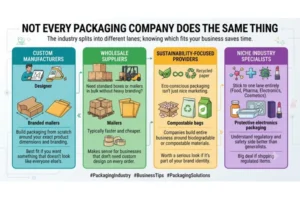
Too many business owners treat the box as an afterthought, something you slap together once the actual product is done. I get why — it doesn’t feel like the “real” work. But packaging touches shipping rates, how well your product survives transit, and how a customer feels about you before they’ve even used what they bought. A dented, flimsy box doesn’t just mean a refund request. It quietly chips away at trust, and that’s a lot harder to rebuild than a damaged shipment.
People Film Themselves Opening Your Box Now
Unboxing videos are a whole category on their own at this point. Customers record it, post it, send it to friends. Within a few seconds of tearing into a package, they’ve already formed an opinion about your brand. Cheap-looking packaging leaves a bad taste even when the product itself is excellent — that disconnect sticks with people.
Getting There in One Piece Still Comes First
All the branding talk aside, packaging has one job that can’t be skipped: get the item from your shelf to their doorstep without breaking. Fragile goods, food items, anything traveling cross-country — this matters even more. A packaging company that’s worked with your type of product before will know how to build something that survives a bumpy truck ride, not just something that looks nice in a photo.
How to Tell a Good Packaging Company From a Mediocre One
They’re not all the same, and the wrong choice tends to show its cracks later rather than sooner.
Have They Actually Worked in Your Industry?
A supplier who’s spent ten years packaging skincare products isn’t necessarily going to understand what industrial equipment needs, and vice versa. Ask straight up how much experience they have with businesses like yours. Regulations, materials, even shipping conditions shift depending on what you’re sending out the door.
What Materials Do They Actually Offer?
The stronger companies aren’t pushing one box type on every client that walks in. You want options — corrugated cardboard, rigid boxes, poly mailers, custom inserts, sustainable materials. That range means your packaging gets matched to your product instead of your product getting squeezed into whatever’s easiest for them to churn out.
Can They Actually Customize, or Just Slap a Logo On?
If your brand matters to you, and it should, look for a company that does real custom printing and design work, not just a sticker on a plain box. Branded tape, thoughtful inserts, printed exteriors that look intentional rather than an afterthought — that’s the difference between forgettable packaging and packaging people remember.
Do They Hit Deadlines?
A packaging delay can back up your whole fulfillment process. Ask about turnaround times, minimum order sizes, and how rush orders get handled before you sign anything. Companies worth trusting give you actual numbers instead of vague promises about “getting it done soon.”
Is the Price Actually Worth It?
Cost matters, obviously, but going with the cheapest bid usually costs more later. Weigh material quality and durability against the price tag, and check whether design help is included or billed separately. Paying a bit more upfront often pays for itself once you account for fewer damaged shipments down the line.
Not Every Packaging Company Does the Same Thing
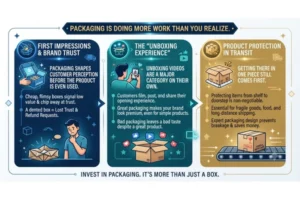
The industry splits into a few different lanes, and knowing which one fits your business saves you time.
Custom Manufacturers
These companies build packaging from scratch around your exact product dimensions and branding. Best fit if you want something that doesn’t look like everyone else’s.
Wholesale Suppliers
If you just need standard boxes or mailers in bulk without heavy branding, wholesale suppliers are typically faster and cheaper. Makes sense for businesses that don’t need custom design on every single order.
Sustainability-Focused Providers
Eco-conscious packaging isn’t just a nice marketing line anymore — a real chunk of shoppers factor it into buying decisions. A handful of companies build their entire business around biodegradable or compostable materials. Worth a serious look if that’s part of your brand identity, not just something to mention in passing.
Niche Industry Specialists
Some providers stick to one lane entirely — food, pharma, electronics, cosmetics. They tend to understand the regulatory and safety side far better than a generalist supplier, which becomes a big deal fast if you’re shipping anything regulated.
The Money Side Nobody Talks About Enough
It’s tempting to file packaging under “just a cost” and move on. But it quietly touches more of your finances than that.
Shipping rates are tied directly to the size and weight of your packaging — a company that helps you dial in dimensions properly can shave down dimensional weight charges, and that adds up fast once you’re shipping at real volume. Weak packaging also means more damaged goods, which means more returns and replacements eating into your margins. And people remember bad unboxing experiences longer than you’d guess — it affects whether they come back or tell someone else about you.
Questions Worth Asking Before You Sign Anything
Ask about minimum order quantities, sample availability, lead times for standard versus custom runs, and whether they’ll help with design files if you don’t have your own ready. It’s also worth asking how they handle quality control — do they inspect materials before anything ships, and what happens if a batch doesn’t meet spec?
Get samples before committing to a big order. Seriously. It’s the easiest way to test durability, print quality, and overall feel before you’re locked into something bigger than you wanted.
Should You Go Domestic or Look Overseas?
This is a real decision a lot of businesses wrestle with. Domestic companies usually mean faster turnaround, easier communication, and more consistent quality control, though you’ll pay more per unit for it. Overseas manufacturers can undercut on price but often mean longer shipping windows and more risk around consistency batch to batch. If you’re restocking often or ordering in smaller amounts, staying domestic tends to be the smarter call even with the higher per-unit cost.
Final Thoughts
Don’t rush this decision. The packaging company you choose shapes how your product survives the trip and how your customer feels about your brand the second they open the box. Take the time to compare experience, materials, customization, and reliability before locking anything in. It’s a small amount of extra effort now that saves you from expensive headaches — and a lot of broken shipments — later.