
Introduction
Packaging does more than protect a product—it influences customer satisfaction, brand reputation, and purchasing decisions. A damaged package can lead to product returns, negative reviews, and lost revenue. That’s why packaging testing and quality control are essential for businesses of all sizes. By testing packaging before products reach customers, companies can reduce risks, maintain product quality, and build trust. This guide explains what packaging testing and quality control involve, why they matter, and how they contribute to higher sales and stronger customer loyalty.
What Is Packaging Testing?
Packaging testing is the process of evaluating how well packaging performs under real-world conditions. Manufacturers test boxes, bags, cartons, and protective materials to ensure they can withstand shipping, storage, and handling. The goal is to confirm that the packaging protects the product from damage while maintaining its appearance and functionality throughout the supply chain.
What Is Quality Control in Packaging?
Quality control is the ongoing process of checking packaging materials and finished products to ensure they meet established standards. It includes inspecting dimensions, print quality, material strength, colors, sealing, and overall consistency. Effective quality control helps businesses identify defects before products are shipped, reducing waste and preventing costly mistakes.
Why Packaging Testing Is Important
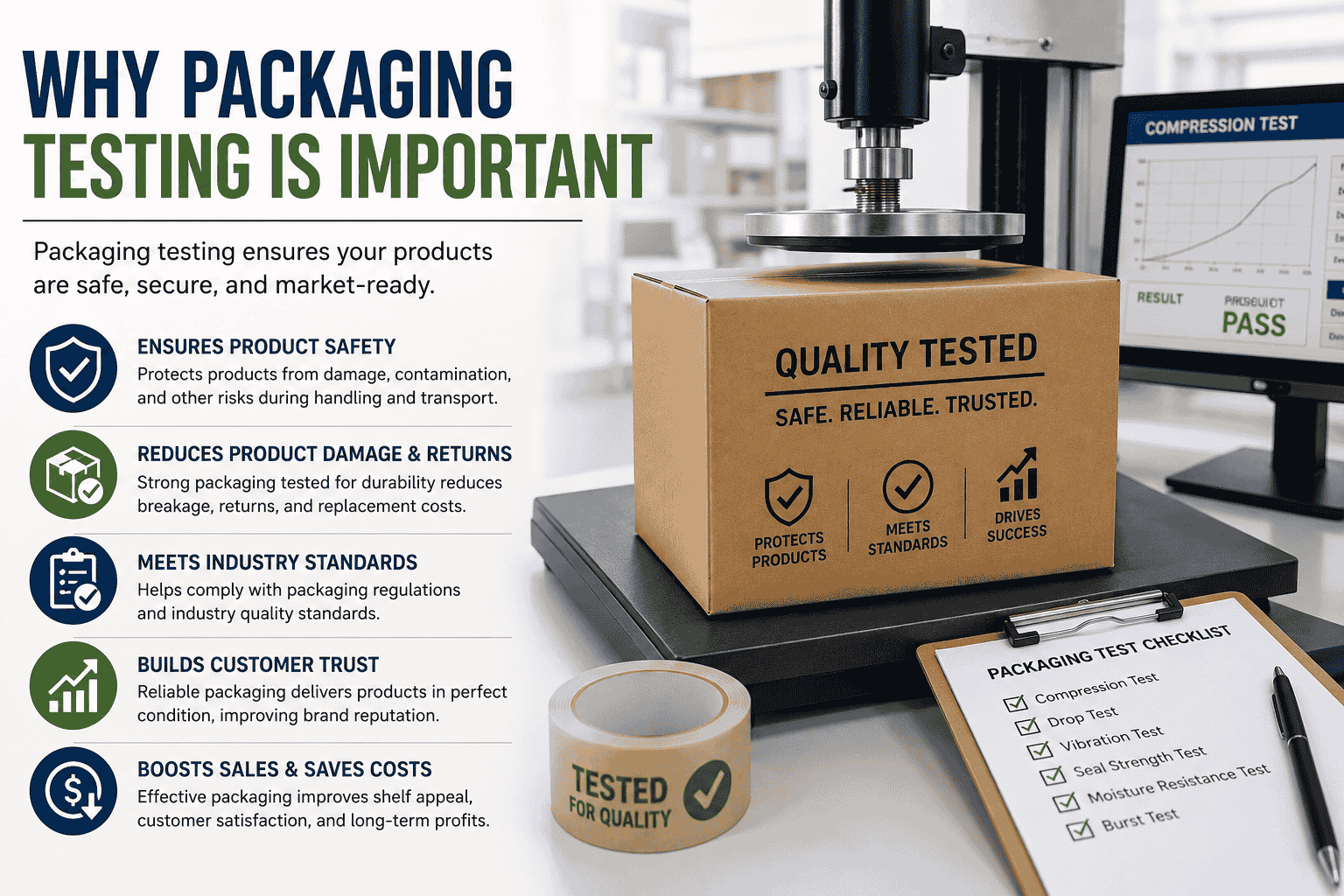
Strong packaging protects products from impacts, moisture, vibration, and pressure during transportation. Without proper testing, even high-quality products may arrive damaged, leading to customer complaints and expensive returns. Testing also helps businesses comply with industry regulations and ensures that packaging performs consistently in different environments.
Benefits of Packaging Quality Control
Quality control improves product consistency and reduces manufacturing errors. Customers receive products in excellent condition, which increases satisfaction and strengthens brand credibility. It also lowers production costs by identifying defects early, minimizing material waste, and reducing the number of returned or rejected products.
Common Types of Packaging Tests
Different products require different testing methods. Compression testing measures how much weight a package can withstand during stacking. Drop testing evaluates how well packaging protects products after accidental drops. Vibration testing simulates transportation conditions, while moisture and temperature testing determines how packaging performs in challenging environments. Seal integrity testing ensures packages remain securely closed throughout shipping.
Key Elements of an Effective Quality Control Process
A reliable quality control system begins with inspecting raw materials before production starts. During manufacturing, packaging dimensions, print alignment, and structural integrity should be checked regularly. Finished products should undergo final inspections to verify that every package meets quality standards before shipping.
How Packaging Testing Helps Boost Sales
Customers are more likely to trust brands that consistently deliver products in perfect condition. Well-tested packaging reduces product damage, improves the unboxing experience, and creates a positive first impression. Satisfied customers often leave better reviews, recommend the brand to others, and become repeat buyers, all of which contribute to increased sales.
Challenges Businesses Face Without Packaging Testing
Skipping packaging testing can result in damaged products, increased shipping costs, frequent returns, and unhappy customers. Poor packaging may also harm a company’s reputation and reduce customer confidence. Investing in testing is often far less expensive than dealing with the financial impact of packaging failures.
Best Practices for Better Packaging Quality
Businesses should choose high-quality packaging materials, perform regular performance tests, maintain consistent production standards, and review customer feedback to identify recurring issues. Working with experienced packaging suppliers also helps ensure reliable packaging performance over time.
Final Thoughts
Packaging testing and quality control are essential investments for any business that wants to protect products, reduce costs, and improve customer satisfaction. By identifying problems before products reach the market, companies can deliver better experiences, strengthen their brand reputation, and increase long-term sales. Consistent testing and quality control are not just manufacturing processes—they are valuable strategies for business growth.