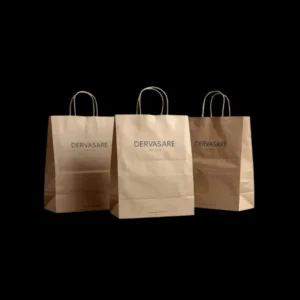
Paper Bags
Paper bags have become one of the most popular packaging choices for brands across retail, food, cosmetic, and luxury industries. As businesses shift towards sustainable packaging, paper bags offer the perfect balance of style, durability, affordability, and environmental responsibility. Whether it’s a premium boutique store or a bakery delivering fresh products, paper bags help brands communicate quality while staying eco-conscious.
In today’s market, customers prefer packaging that feels natural, recyclable, and visually appealing. That’s exactly why paper bags stand out. They’re lightweight, customizable, and highly versatile, making them suitable for dozens of industries. In this blog, we’ll explore the types of paper bags, benefits, materials, customization options, and common applications—so you can understand why they remain a top packaging solution.
Why Paper Bags Are a Smart Packaging Choice
Paper bags are more than just a traditional carry solution. They’re an opportunity for branding and customer experience. Here’s why brands choose them:
Eco-Friendly & Recyclable
Paper bags are one of the most sustainable packaging options. Made from natural fibers, they are:
- 100% recyclable
- Biodegradable
- Compostable
This makes them ideal for businesses aiming to reduce plastic usage and environmental impact.
Cost-Effective for All Business Sizes
Whether you’re a small bakery or a large retail chain, paper bags offer affordability with premium quality. They’re available in wholesale quantities and suit all budgets.
Highly Customizable
You can design paper bags in your brand’s color, size, and shape. Add your logo, special patterns, or seasonal themes to elevate your brand’s visibility.
Strong & Durable
Modern paper bags—especially Kraft and high GSM designs—are sturdy enough to carry heavier items like cosmetics, candles, or glass jars.
Types of Paper Bags
Paper bags come in various styles, each crafted to suit specific product needs and industry requirements. Here are the most popular types:
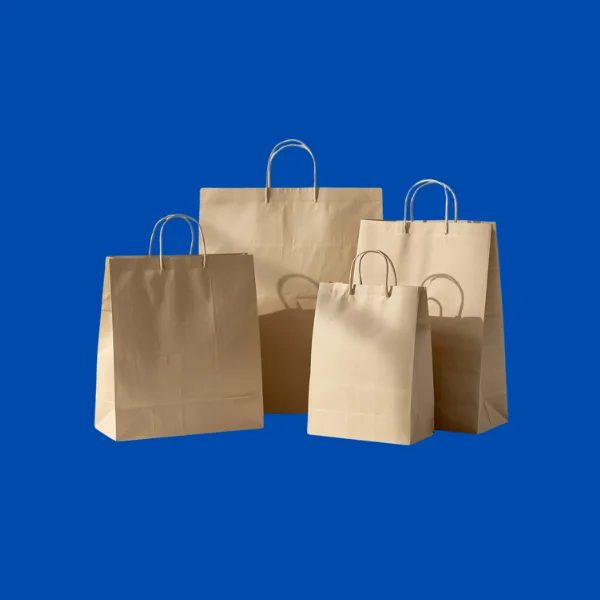
1. Kraft Paper Bags
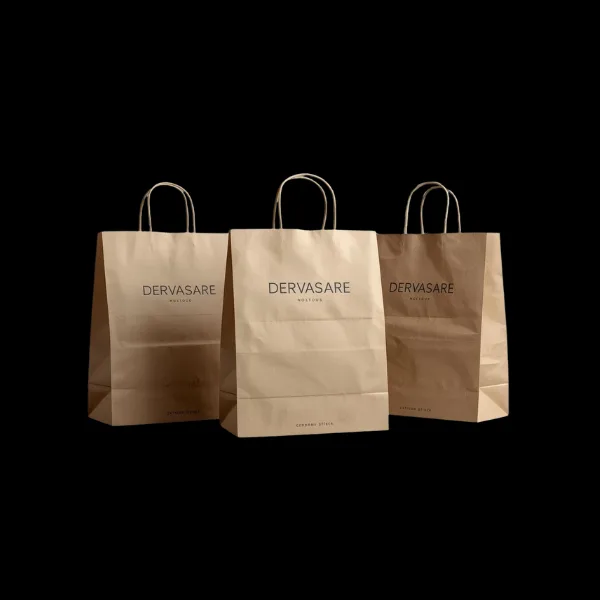
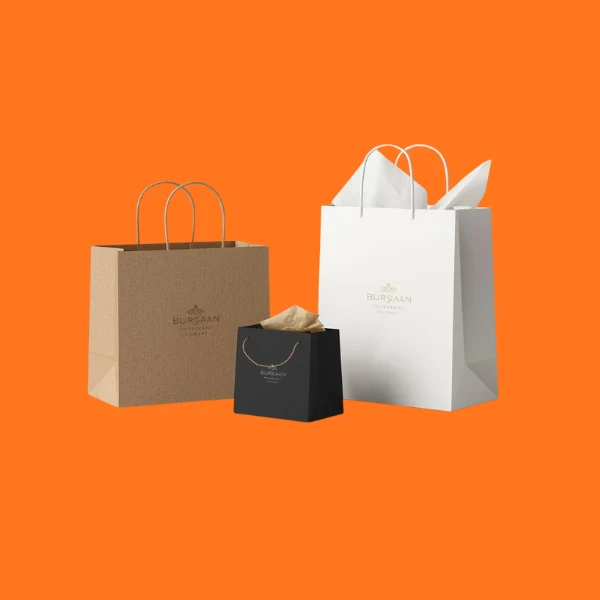
Kraft paper bags are the most common and eco-friendly option. They come in natural brown or white Kraft and offer high tensile strength.
Best For:
- Grocery stores
- Bakeries
- Fast food
- Organic products
- Clothing stores
Benefits:
- Durable
- Recyclable
- Cost-efficient
2. Die-Cut Handle Paper Bags
These bags feature handles directly cut into the bag body, giving a clean and modern look.
Best For:
- Boutique stores
- Gifts & accessories
- Cosmetics
Benefits:
- Stylish minimal design
- Easy to carry
- Enhances brand image
3. Twisted Handle Paper Bags
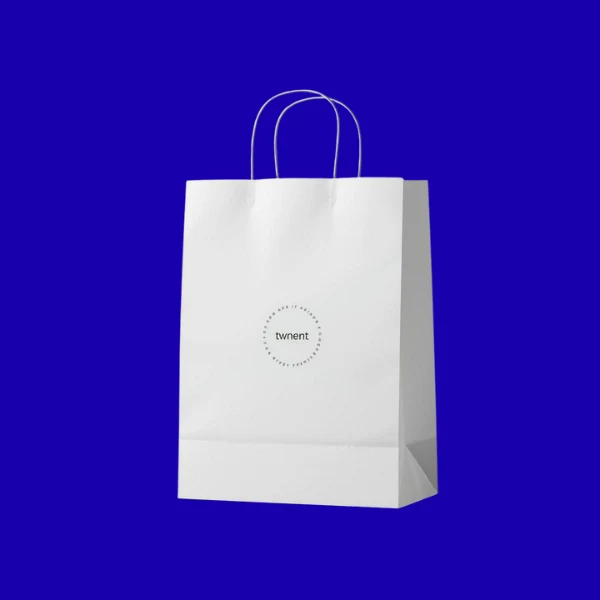
These bags come with twisted paper handles for extra strength.
Best For:
- Retail shops
- Bookstores
- Clothing brands
Benefits:
- Strong grip
- Suitable for heavier products
- Available in multiple sizes
4. Flat Handle Paper Bags
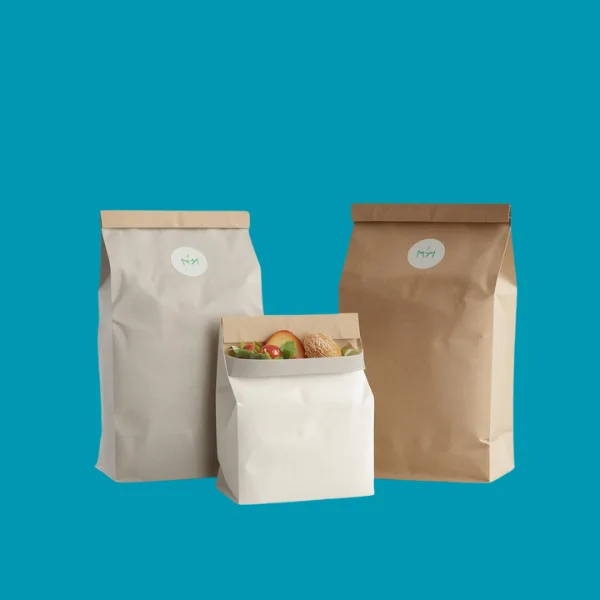
Flat handle bags are commonly used in takeaway restaurants.
Best For:
- Restaurants
- Cafés
- Bakeries
Benefits:
- Budget-friendly
- Easy to store
- Eco-friendly
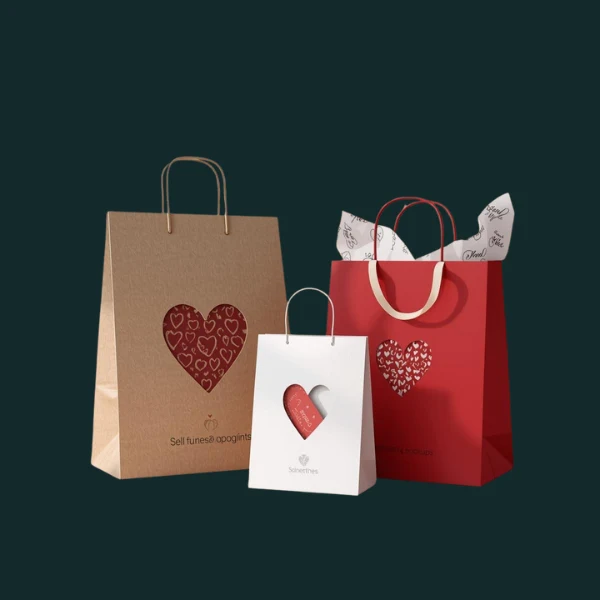
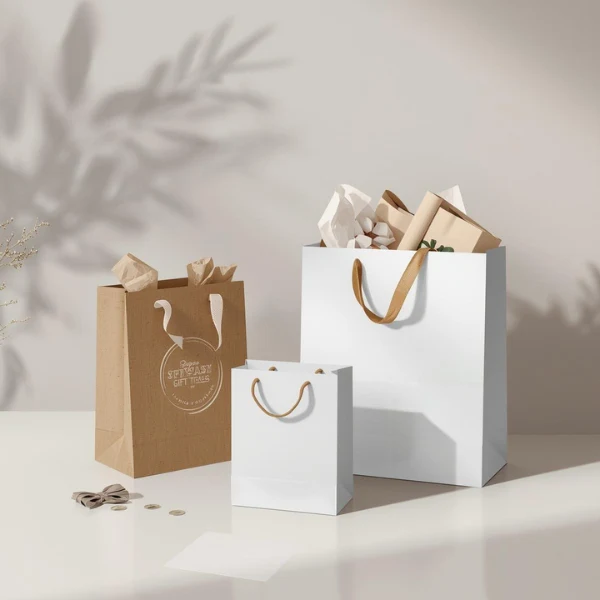
5. Luxury Laminated Paper Bags
These premium bags come with matte or gloss lamination and ribbon or rope handles.
Best For:
- Perfume packaging
- Cosmetics
- Jewelry
- Clothing boutiques
Benefits:
- Elegant look
- Highly customizable
- Perfect for premium branding
Materials Used in Paper Bags
Different materials offer different strengths and aesthetics. Here are the main options:
Kraft Paper
The most popular due to its eco-friendliness and strength. Comes in brown & white variants.
Art Paper / Cardstock
Used for luxury laminated bags, perfect for detailed printing and high-end branding.
Recycled Paper
Ideal for brands focused on sustainability and zero-waste packaging.
SBS Paperboard
For crisp printing results and premium rigid bags.
Popular Uses of Paper Bags
Paper bags are used in almost every industry. Here are the top applications:
Retail Packaging
Clothing brands, gift shops, jewelry stores, and cosmetic brands use paper bags for elegant customer experience.
Food & Beverage
Bakeries, restaurants, and cafés use grease-resistant and Kraft paper bags for food delivery.
E-Commerce
Brands use paper mailer bags as a sustainable alternative to plastic courier bags.
Events & Corporate Gifting
Customized paper bags are widely used for giveaways, event branding, and gift packaging.
Grocery & Department Stores
Brown Kraft paper bags are strong enough for heavier grocery items.
Custom Printing & Branding Options
Paper bags can be fully personalized. Here are common design and printing techniques:
Offset Printing
For high-quality graphics and sharp colors.
Digital Printing
Best for small orders or colorful custom designs.
Hot Foil Stamping
Ideal for luxury branding with gold or silver foil.
Embossing / Debossing
Creates raised or recessed textures for a premium feel.
Spot UV
Adds shine to specific elements like logos or taglines.
Lamination (Gloss or Matte)
Adds protection and enhances visual appeal for luxury bags.
Why Brands Prefer Custom Paper Bags
Choosing custom paper bags boosts your brand identity. Here’s how:
- Makes your packaging memorable
- Offers free mobile advertising as customers carry the bag
- Enhances brand personality through colors, fonts, and finishes
- Creates a premium unboxing experience
- Encourages eco-conscious customer loyalty
Paper bags are not just packaging—they’re a branding tool that works long after the customer leaves your store.