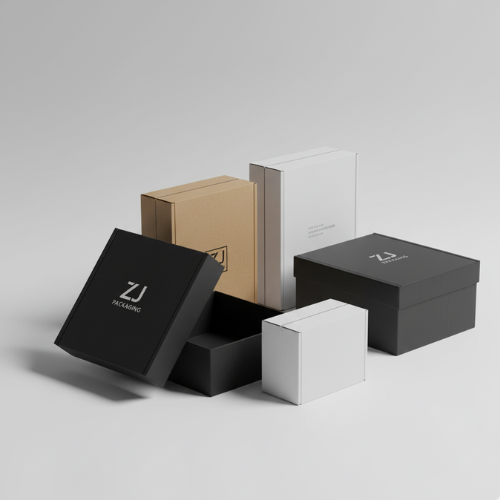
Pharma Boxes – High-Quality Packaging Solutions for the Pharmaceutical Industry
In the highly regulated pharmaceutical industry, packaging plays a critical role in ensuring product safety, compliance, and brand credibility. Pharma boxes are more than just containers; they are an essential part of the product lifecycle, protecting medications from damage, contamination, and tampering while also providing essential information to healthcare professionals and patients.
At [Your Brand Name], we specialize in delivering premium pharma packaging solutions that meet international standards, combining durability, functionality, and visual appeal. Our extensive range of pharma boxes caters to tablets, capsules, syrups, ointments, medical devices, and nutraceuticals.
what are pharma boxes ?
Pharma boxes are specially designed packaging containers used in the pharmaceutical industry to safely store, protect, and transport medicines, medical devices, or health supplements, while ensuring product integrity, tamper-evidence, regulatory compliance, and clear display of essential information like dosage, ingredients, and expiration dates.
Why Pharma Boxes Are Essential
Pharmaceutical products require precise packaging to maintain their quality, efficacy, and shelf life. Improper packaging can lead to contamination, degradation, or incorrect usage, which can have serious health consequences. High-quality pharma boxes ensure that products are:
- Protected from environmental factors: Moisture, light, and temperature fluctuations can affect the stability of medicines. Pharma boxes are designed to provide a robust barrier against these risks.
- Tamper-evident: Security features such as tamper-evident seals and holographic stickers help prevent counterfeiting and assure customers of product authenticity.
- Informative: Clear labeling, dosage instructions, and regulatory information help patients and healthcare providers use medicines safely.
- Compliant: Pharma boxes must adhere to strict regulatory standards like FDA, WHO, and ISO to ensure safety and legal compliance.
Types of Pharma Boxes
We offer a wide variety of pharmaceutical packaging boxes tailored to different product types and industry needs. Some of the most popular options include:
Tablet and Capsule Boxes
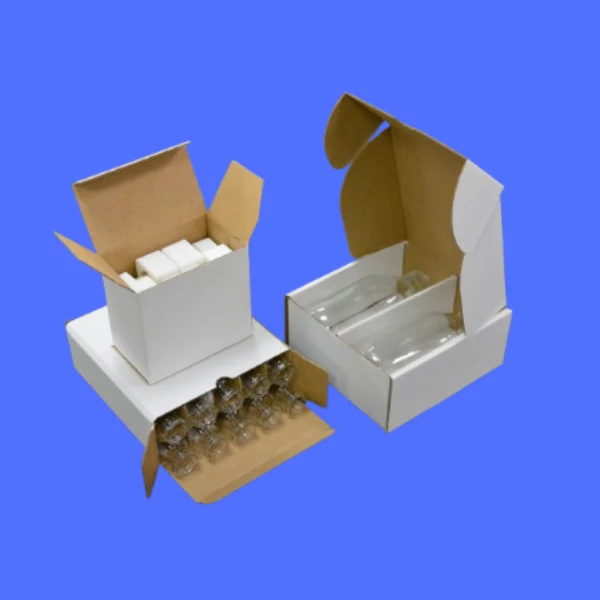
Ideal for solid oral dosage forms, these boxes are lightweight yet durable. They often feature inner trays or blister packaging to protect individual tablets or capsules. Customizable designs allow for brand-specific colors, logos, and compliance information.
Syrup and Liquid Medicine Boxes
Liquid medications require sturdy, leak-proof boxes that prevent spillage during transit. Our syrup boxes come with tamper-evident closures and moisture-resistant coatings to maintain product quality.
Ointment and Cream Boxes
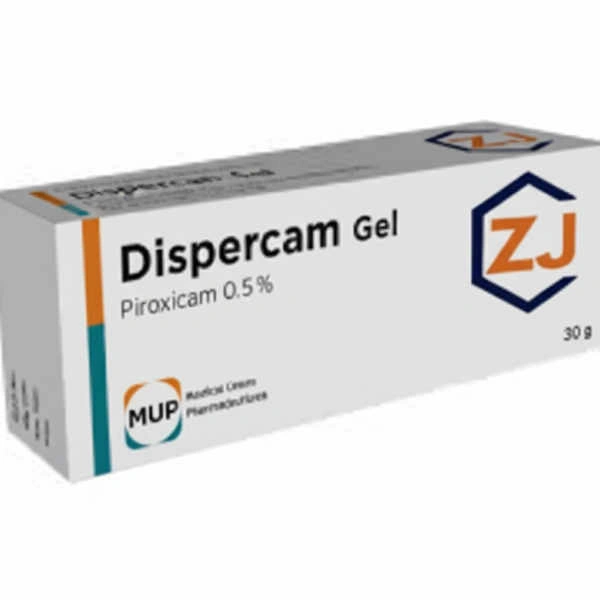
These boxes provide an extra layer of protection for topical applications. Made from premium materials, they ensure that the ointments remain uncontaminated while displaying clear instructions for use.
Medical Device Packaging
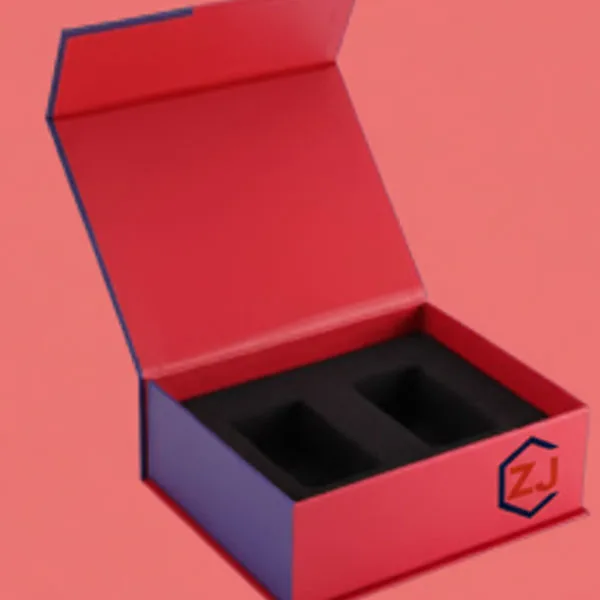
For medical devices like syringes, inhalers, and diagnostic kits, pharma boxes are designed with compartments and inserts to prevent damage and facilitate easy handling.
Nutraceutical and Supplement Boxes
With the rising demand for dietary supplements, nutraceutical boxes have become a critical part of the market. These boxes offer protection while highlighting the product’s benefits, ingredients, and certifications.
Customization Options for Pharma Boxes
Pharmaceutical brands need packaging that aligns with their identity while complying with industry standards. We provide fully customizable pharma boxes that offer:
Custom sizes and shapes: From small blister pack boxes to large multi-unit cartons, we can create packaging that fits your product perfectly.
Premium printing options: High-resolution printing, embossing, foiling, and spot UV finishes make your brand stand out on pharmacy shelves.
Eco-friendly materials: We offer biodegradable and recyclable packaging solutions to help reduce environmental impact.
Protective features: Anti-counterfeit holograms, QR codes, and tamper-evident seals enhance product security.
Benefits of Using Quality Pharma Boxes
Investing in superior pharma packaging boxes has numerous advantages:
Enhanced Product Safety: Protects medicines from contamination, moisture, and breakage.
Regulatory Compliance: Meets international pharmaceutical packaging standards.
Brand Recognition: Custom designs increase brand visibility and consumer trust.
Cost Efficiency: Durable packaging reduces product damage during shipping and handling.
Consumer Confidence: Tamper-evident and informative packaging reassures patients and healthcare providers.
Material Options for Pharma Packaging
Pharma boxes are made using different materials based on product requirements:
- Cardboard: Widely used for its lightweight, durable, and printable properties.
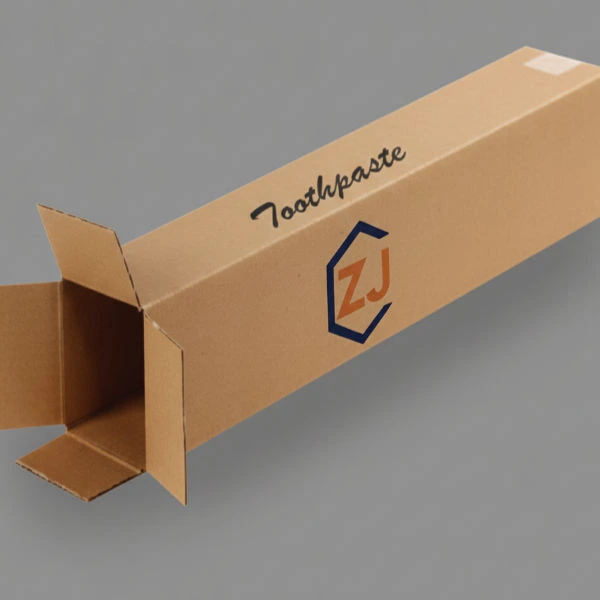
- Corrugated Paper: Provides extra strength for heavy or delicate items.
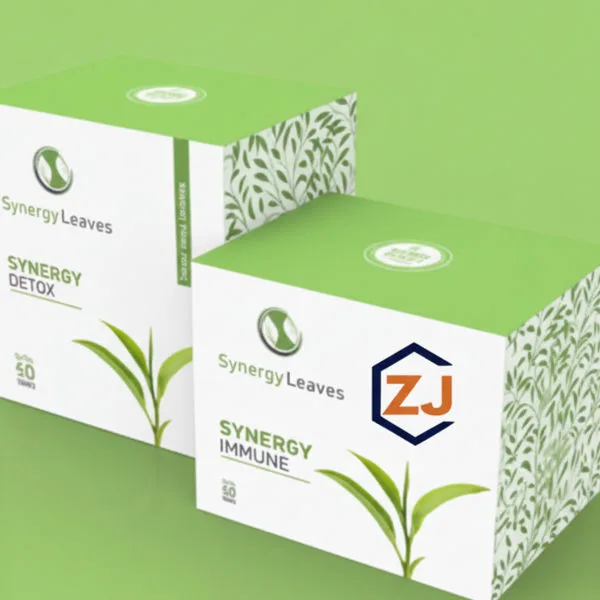
- Kraft Paper: Eco-friendly, biodegradable, and ideal for natural or herbal products.
- PVC or PET Inserts: Used inside boxes for blister packs or delicate medical devices.
Design Considerations for Pharma Boxes
Designing effective pharma boxes requires a careful balance between functionality, aesthetics, and regulatory compliance. Key considerations include:
- Clarity of Information: Dosage, ingredients, manufacturer details, and expiry dates must be legible.
- Ease of Use: Boxes should allow easy access to medicines without compromising protection.
- Branding: Colors, logos, and patterns should reflect brand identity and appeal to the target audience.
- Sustainability: Eco-friendly packaging is increasingly preferred by consumers and regulatory bodies.