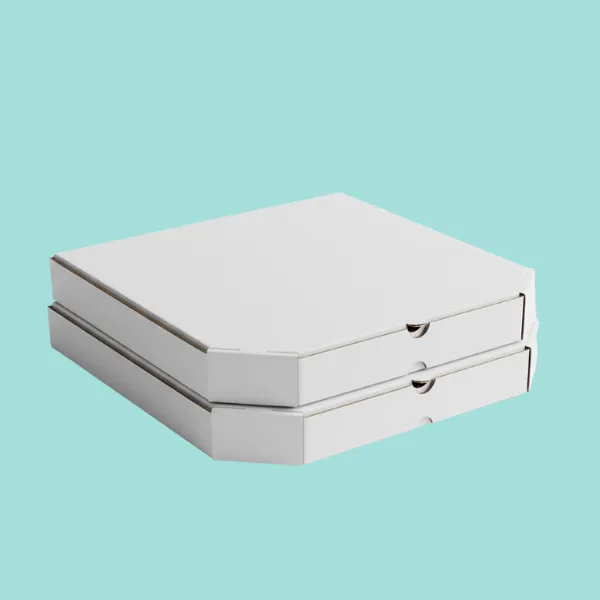
Pizza Boxes
Pizza boxes are specially designed packaging containers used to store and deliver pizzas. They are usually made from corrugated cardboard and are shaped to hold different pizza sizes, from small personal pizzas to extra-large family boxes. The main purpose of a pizza box is to protect the pizza from getting damaged, keep it warm, and prevent contamination .Modern pizza boxes also play a vital role in branding. Many restaurants print their logos, taglines, promotions, and contact details on the box to attract customers and create a memorable experience.
what are pizza boxes
Pizza boxes are packaging containers specially designed to hold, store, and deliver pizza safely and hygienically. They are usually square or rectangular, made from corrugated cardboard, and built strong enough to protect the pizza during delivery.
Most pizza boxes are made from:
Corrugated cardboard (three-layered, strong, and insulating)
Kraft paper
Grease-resistant linings
Why Pizza Boxes Are Important
Protection and Safety
A pizza needs proper protection during delivery. The box protects it from dust, germs, and external damage. Strong boxes prevent toppings from shifting and keep the pizza intact.
Heat Retention
Pizza tastes best when it is hot. The insulating layers in the box help maintain temperature for a longer time.
Brand Marketing
Pizza boxes act like mobile billboards. When customers carry them around or post pictures online, it promotes the brand.
Convenience
Pizza boxes are easy to stack, transport, store, and handle. They help in smooth delivery operations.
Types of Pizza Boxes
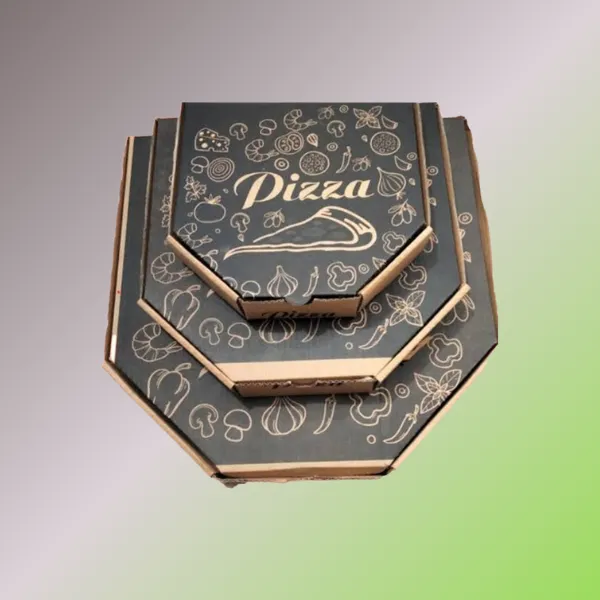
Standard Corrugated Pizza Boxes
The classic square box used by most pizza shops. It is sturdy, easy to assemble, and offers great insulation.
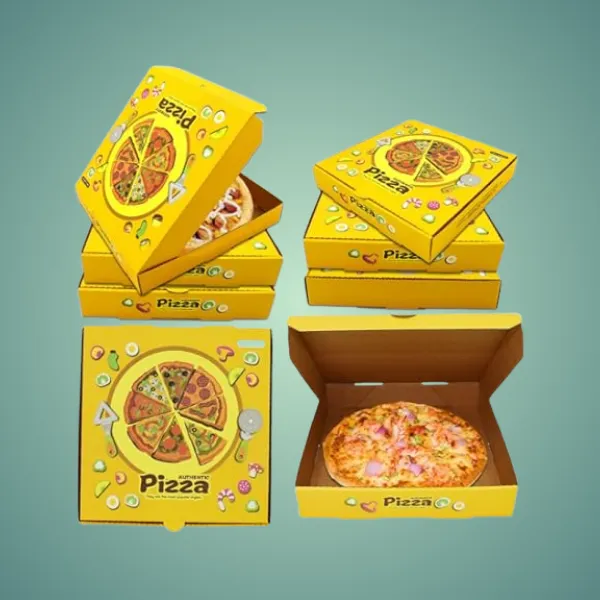
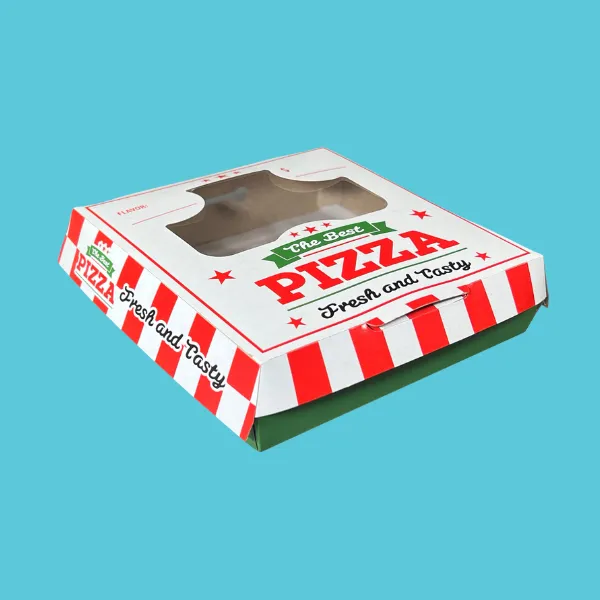
Custom Printed Pizza Boxes
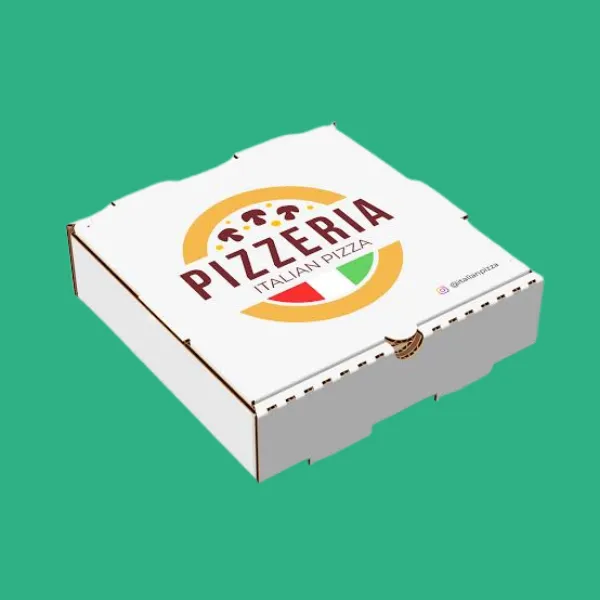
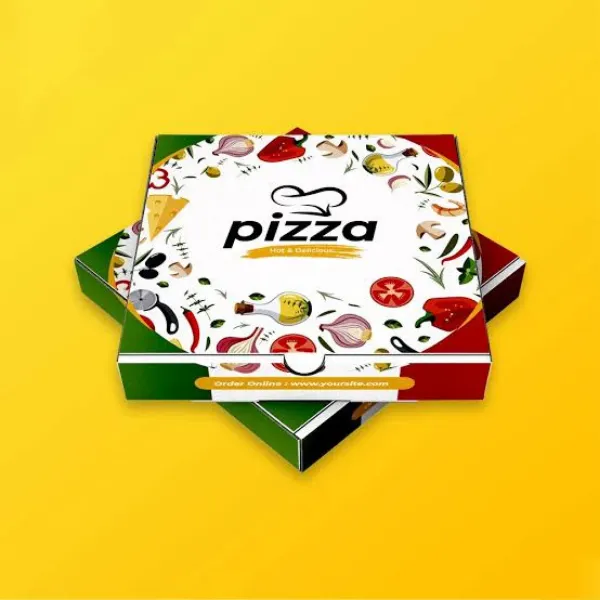
Restaurants customize these boxes with their logos, colors, and branding to attract customers and build identity.
Slice Boxes
For selling individual pizza slices. These small triangular boxes are convenient for street vendors and quick-service cafés.
Eco-Friendly Pizza Boxes
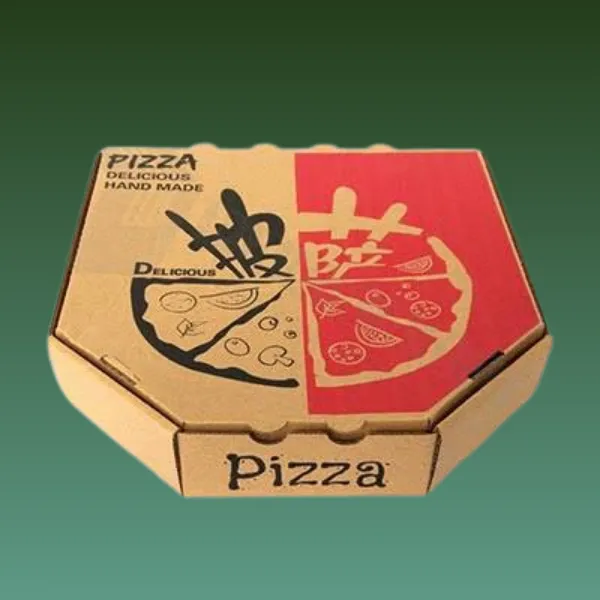
Made from recycled materials or biodegradable kraft paper. These are becoming popular due to increasing demand for sustainable packaging.
Vented Pizza Boxes
These boxes have small holes that allow steam to escape. This prevents the pizza from becoming soggy and maintains the crispiness of the crust.
Round Pizza Boxes
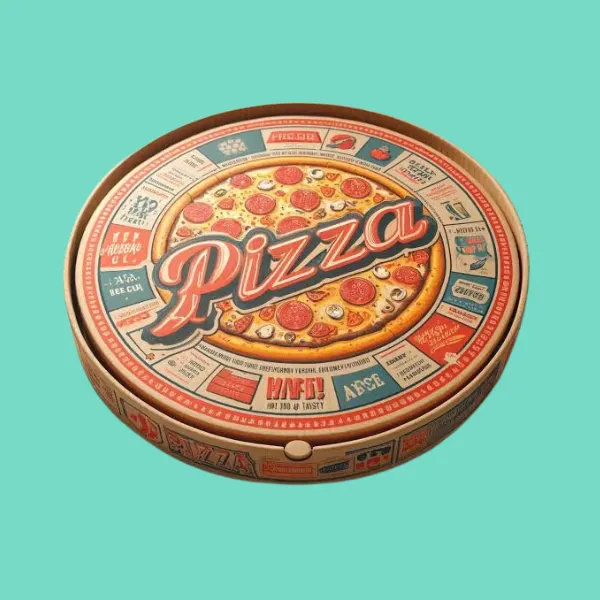
Although less common, some brands use round boxes that match the pizza shape. These save space and look unique.
Customization of Pizza Boxes
Restaurants often order custom-made pizza boxes to reflect their brand identity. Customization includes:
Logo printing
Brand colors
Taglines
Contact details
Special offers or QR codes
Social media handles
Images of pizzas or mascots
Customized boxes help in building recognition and make the customer feel connected with the brand.
Environmental Concerns and Solutions
Pizza boxes often get greasy, which can make recycling difficult. However, many companies now use:
Compostable materials
Recycled paper
Plastic-free barriers
Plant-based coatings
These eco-friendly solutions reduce environmental impact and encourage responsible waste management.
Restaurants are also exploring reusable pizza boxes made from food-safe plastic or metal, though these are still in the early stages of development.
Latest Trends in Pizza Box Packaging
Eco-friendly packaging
More brands are switching to kraft and biodegradable boxes to reduce waste.
Minimalist design
Clean, simple graphics and natural brown kraft colors are trending.
Digital printing
High-quality printing allows unique graphics and vibrant colors.
Smart packaging
Some pizza boxes now include QR codes that link customers to menus, discounts, or online ordering systems.
Dual-purpose designs
Boxes that can turn into plates or stands are becoming popular for their convenience.
Advantages of Using Pizza Boxes
Keeps pizza warm and fresh
Protects toppings and crust
Safe, hygienic, and reliable
Acts as a strong marketing tool
Supports eco-friendly initiatives
Suitable for delivery and takeaway
Easy to stack and transport
Cost-effective for restaurants