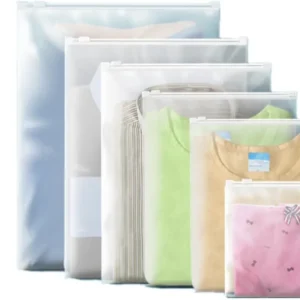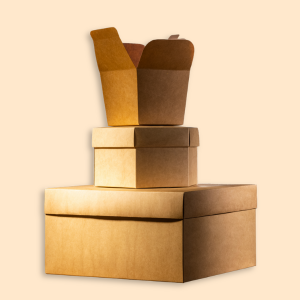

Description
Introduction—What Plastic Bags Are and Why They Are Common
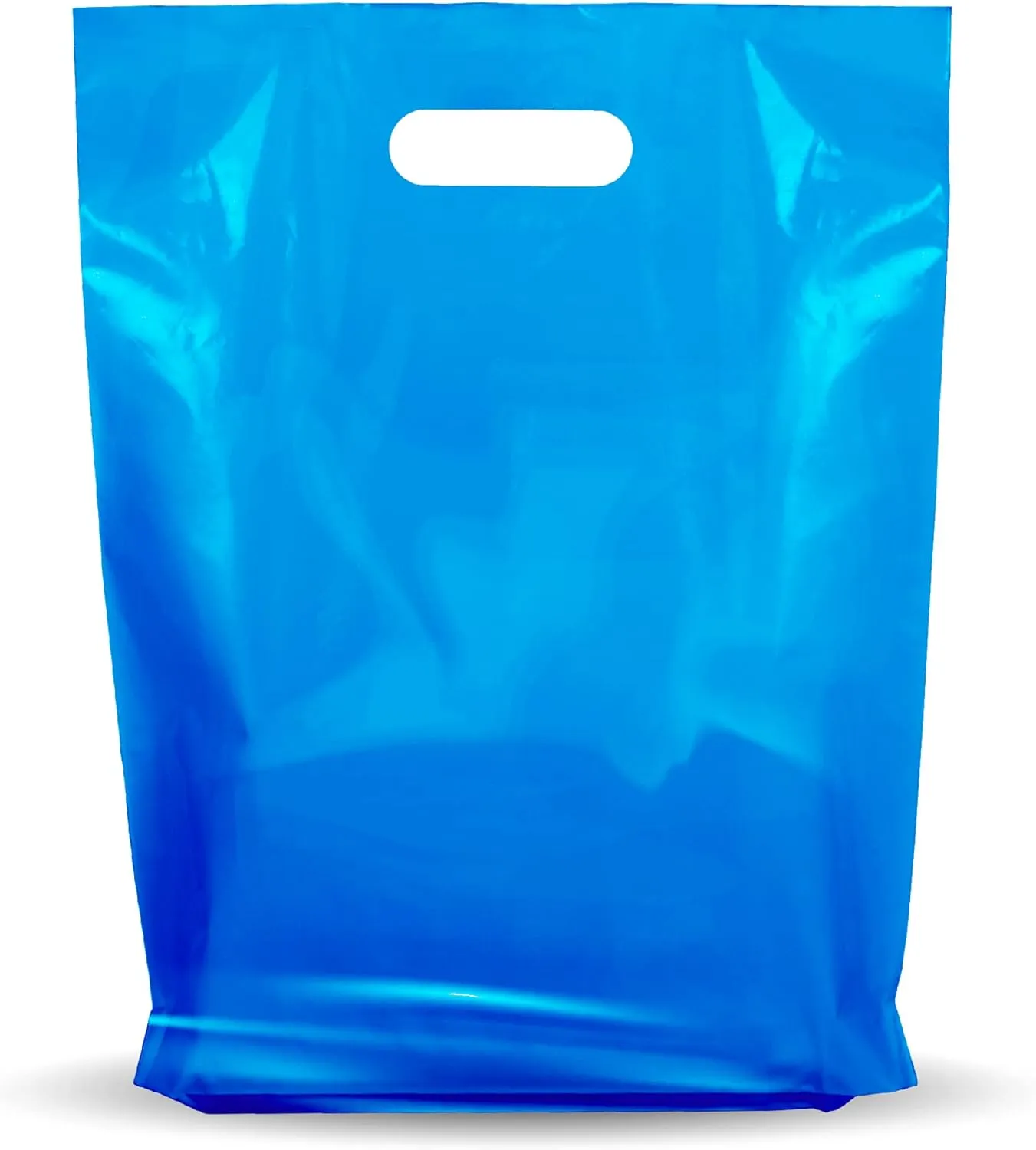
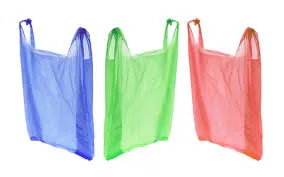
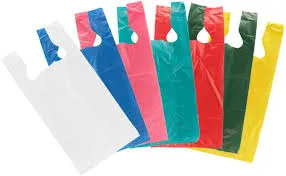
Plastic bags are thin, lightweight bags made from plastic material. People use them mostly for carrying groceries, clothes, and other shopping items. They are very common in our daily life because they are cheap, easy to make, and available everywhere.
Shops and markets give plastic bags for free or at a very low cost, which makes them more popular. They are also strong enough to carry heavy things and can be used in many ways. Because of these reasons, plastic bags have become an important part of our shopping habits.
Easy Availability and Low Cost of Plastic Bags
Plastic bags are one of the most common packaging materials in the world. The main reason for their wide use is that they are cheap and easily available. Almost every shop, market, or supermarket offers plastic bags to customers without any extra cost. People find them very convenient because they don’t need to spend money or carry their own bags from home.
Another reason for their popularity is that they are lightweight and easy to store. Shopkeepers can keep hundreds of bags without taking up much space, and customers can carry them anywhere without difficulty.
Because of the low price, businesses prefer plastic bags over other packaging options like paper or cloth bags. This saves money for sellers, but it also increases the overall use of plastic.
Eco-Friendly Alternatives to Plastic Bags
Plastic bags are used everywhere, but they are very harmful to our earth. They pollute the environment, block drains, and kill animals. To solve this problem, people are now looking for eco-friendly alternatives. Let’s look at some better options:
- Cloth Bags
Cloth bags are strong and long-lasting. You can use them many times without worrying about tearing. They can carry heavy things, and you can wash them if they get dirty. Using cloth bags reduces waste and saves money in the long run. - Paper Bags
Paper bags are made from natural materials. They can easily break down in soil, which makes them safe for the environment. They are good for carrying light things like clothes, books, and food. Paper bags also look neat and stylish. - Biodegradable Bags
These bags look like plastic but are made from plant-based materials such as corn starch. They break down quickly and do not harm nature. Many shops are now offering biodegradable bags instead of plastic ones.
Conclusion – Reducing Plastic Bag Use for a Sustainable Future
Plastic bags are very common in our daily life, but they are also one of the biggest reasons for pollution. They do not break down easily and stay in the environment for hundreds of years. This causes harm to soil, water, animals, and even human health.
If we want a clean and safe future, we must reduce the use of plastic bags. Small changes in our lifestyle can make a big difference. For example, carrying cloth bags, jute bags, or paper bags instead of plastic can help protect nature. Governments and communities should also create strict rules to reduce plastic bag production and use.
Low Cost and Convenience of Plastic Bags
Plastic bags are one of the most common packaging items in the world. The main reason is their low cost and convenience. They are cheap to make, which means shops and businesses can provide them to customers without spending too much money. For this reason, people often get them for free or at a very small price.
Another big advantage of plastic bags is convenience. They are lightweight, easy to carry, and strong enough to hold many items at once. Unlike paper bags, they do not tear easily if something wet or heavy is placed inside. Also, plastic bags are waterproof, which helps protect goods from rain or spills.
Because of their small size, people can fold and keep them in their pockets or handbags for later use. Many families even reuse plastic bags at home for storage or as garbage liners, making them more useful.
Role of Recycling in Reducing Plastic Waste
Plastic is used in almost everything today—bags, bottles, packaging, and many other products. While it is useful, it also creates a big problem for our environment. Plastic takes hundreds of years to break down, and during this time, it pollutes land, water, and even harms animals. One of the best ways to deal with this issue is recycling.
What is Recycling?
Recycling means collecting used plastic items, processing them, and turning them into new products instead of throwing them away. This reduces the need for making new plastic and saves energy and resources.
How Recycling Reduces Plastic Waste:
- Less Pollution – Recycling keeps plastic waste out of rivers, oceans, and landfills.
- Saves Energy – Making new plastic from old plastic uses less energy than producing fresh plastic from raw materials.
- Protects Animals – Many animals die because they eat plastic waste. Recycling reduces this danger.
- Reduces Landfill Waste – By recycling, less garbage goes into dumping sites.
- Encourages Green Living – Recycling makes people more aware of protecting nature.