Description
Remote Boxes
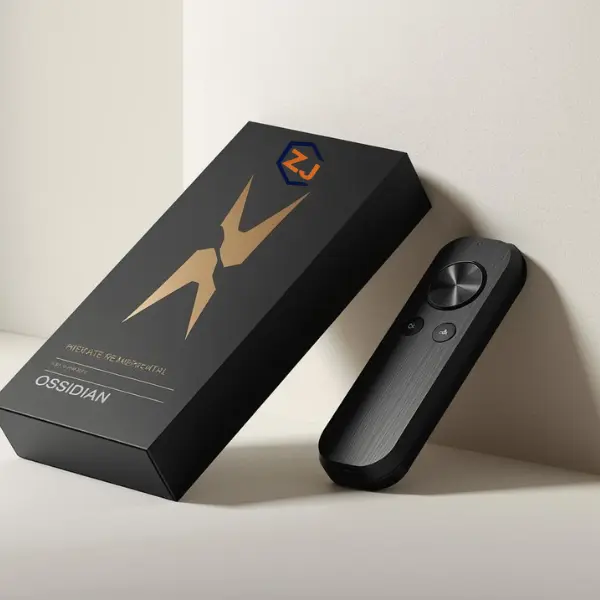
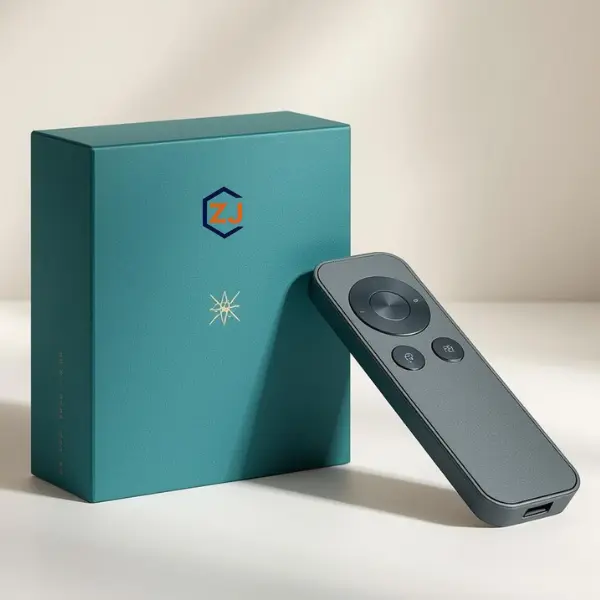
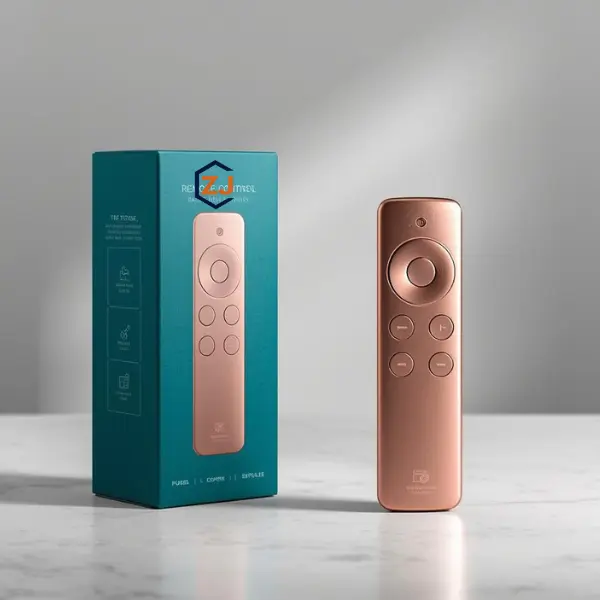
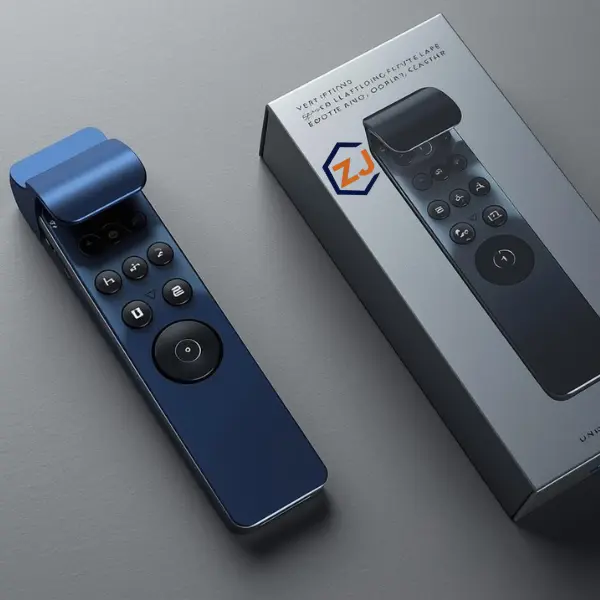
Remote boxes are specially designed packaging solutions that keep remotes safe, stylish, and easy to store. Whether it’s a TV remote, AC remote, or any other device controller, the packaging plays an important role in protection and presentation. Remote packaging also helps businesses build a strong identity with custom printing, logos, and unique finishing styles
Why Use Mobile Boxes?
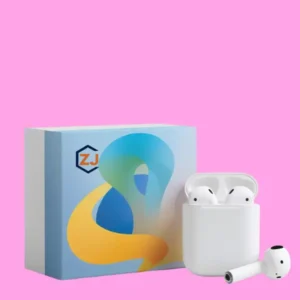
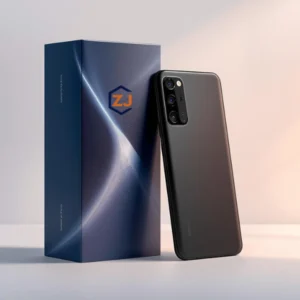
We use mobile boxes because they keep mobile phones safe and protected from damage, dust, and scratches. A strong box makes sure the phone does not break during shipping or handling. Mobile boxes also make the product look more attractive and professional, which gives a good impression to customers. Companies use these boxes for branding by adding their logo, design, and product details. They also improve the unboxing experience, making customers feel happy and satisfied when they open the package.
Benefits of Custom Remote Boxes
Custom remote boxes offer many advantages for both brands and customers. They protect remotes from dust, scratches, and damage during shipping and storage. Attractive and well-designed packaging makes the product look more valuable and leaves a positive impression on customers. Custom printing and branding on the box help businesses increase recognition and build trust with buyers. Additionally, these boxes can be designed using eco-friendly materials, making them safe for the environment. A good custom box also enhances the unboxing experience, making customers feel excited and satisfied with their purchase. Overall, custom remote boxes combine protection, style, and branding, creating a complete packaging solution that benefits both the product and the brand.
Different Types of Remote Boxes
Rigid Boxes
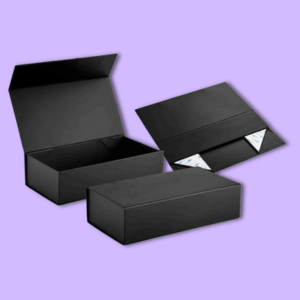
Rigid boxes are one of the strongest and most durable types of remote packaging. They are made with thick and solid material that does not bend easily, which keeps the remote fully safe from pressure or damage. Because of their sturdy nature, rigid boxes are often used for premium or branded remotes that need both protection and style. They also give a luxury look and feel, which makes the product appear high-quality and valuable. Customers often enjoy receiving products in rigid boxes because they not only protect the remote but also make the unboxing experience more special.
Cardboard Boxes
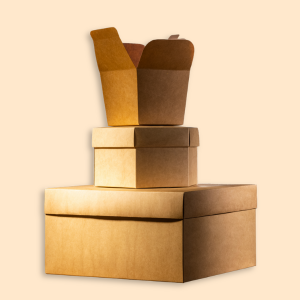
Cardboard boxes are a popular and cost-effective choice for remote packaging. They are lightweight, easy to handle, and strong enough to keep the remote safe during storage or shipping. Another big advantage of cardboard boxes is that they can be easily printed with logos, colors, and designs, making them excellent for branding. Many companies use cardboard packaging for regular or bulk remotes because it is affordable yet customizable. This type of packaging strikes a good balance between practicality and presentation.
Plastic Boxes
Plastic boxes are commonly used for displaying remotes in retail stores. Since they are transparent, customers can see the product inside before buying, which helps build trust and increases sales. Plastic packaging also protects the remote from dust, moisture, and scratches, keeping it in perfect condition. This type of packaging is practical, especially for lower to mid-range remotes, where visibility and affordability are important. While plastic may not be as eco-friendly as cardboard or Kraft, it is very effective for display and protection.
Drawer Style Boxes
Drawer style boxes are a creative and stylish option for remote packaging. These boxes work like a sliding drawer, making them easy to open and close. Customers enjoy the neat and unique unboxing experience that comes with this style. Drawer boxes can be made with rigid or cardboard material, which gives them both strength and flexibility in design. They are often used for premium or gift-style remotes where presentation matters as much as protection. The smooth sliding action adds elegance and makes the product feel more special.
Materials Used in Remote Boxes
Remote boxes can be made from different materials depending on the style, purpose, and budget. Cardboard is the most common material. It is lightweight, affordable, and easy to print on, making it a good choice for regular or bulk packaging. Rigid boards are stronger and more durable. It is often used for premium or luxury remotes because it protects the product very well and gives a high-quality feel. Plastic is another option, especially for transparent boxes that allow customers to see the remote inside. It is strong and protects the product from dust and moisture. Eco-friendly paper or cardboard is becoming more popular as brands focus on sustainability. These materials are recyclable, biodegradable, and safe for the environment. By choosing the right material, brands can ensure that their remote boxes are protective, attractive, and suitable for their customers’ needs.
Future Trends in Remote Packaging
The future of remote packaging is moving towards smarter, eco-friendly, and stylish designs. Brands are focusing on using recyclable and biodegradable materials to reduce environmental impact. Minimalist packaging with clean colors and simple designs is becoming more popular, as it gives a modern and premium look while saving on materials. Some companies are also adding smart features, such as QR codes, to provide customers with product information, tutorials, or warranty details.