Why Tin Packaging Remains a Smart Choice Today
In many industries, packaging plays a major role in how customers view a product. Among the different packaging materials used today, tin packaging continues to stand out. Its strong metal structure, long-lasting quality, and classic appearance make it a trusted choice for food, gifts, cosmetics, tea, candies, and many other products. Tin packaging gives items a premium, elegant feel while keeping them fully protected. Because of its durability and clean look, more and more brands prefer tin packaging for both safety and presentation.
Tin Packaging
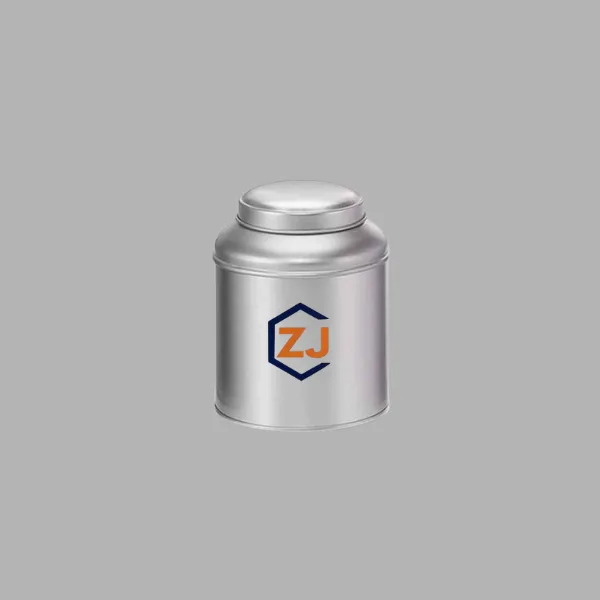
Tin packaging refers to metal containers made from thin steel sheets coated with tin to prevent rusting. These boxes and cans are widely used for storing food, luxury items, spices, candles, and small gifts. Tin packaging offers a strong, protective body that keeps products fresh, safe, and presentable. It also has a unique charm—metal packaging feels expensive, stylish, and long-lasting, making it great for products that need high visual impact.
Tin packaging is easy to shape, print, and customize, which is why it suits many industries. Whether for a small beauty product or for a premium chocolate box, tin packaging adds value and style.
Popular Types of Tin Packaging
Tin packaging comes in many designs depending on the product and purpose. Here are some widely used types:
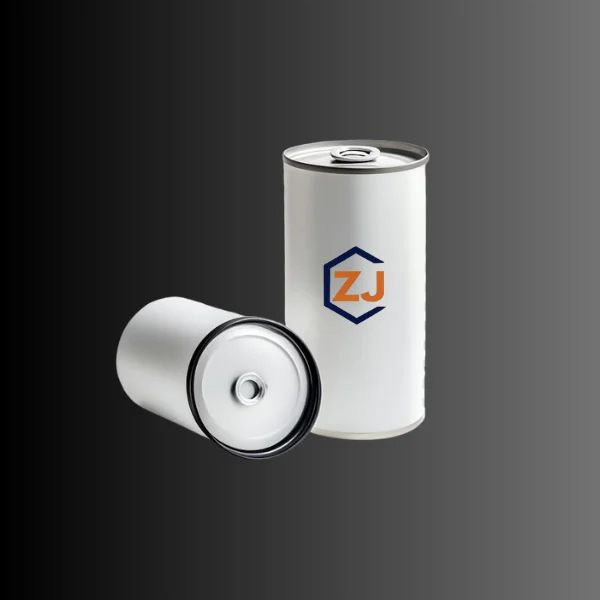
1. Round Tin Containers
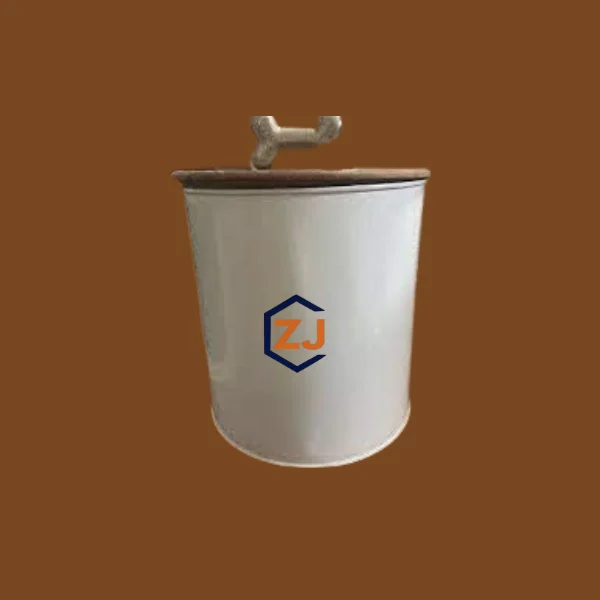
Perfect for candies, cookies, scented candles, and dry food items.
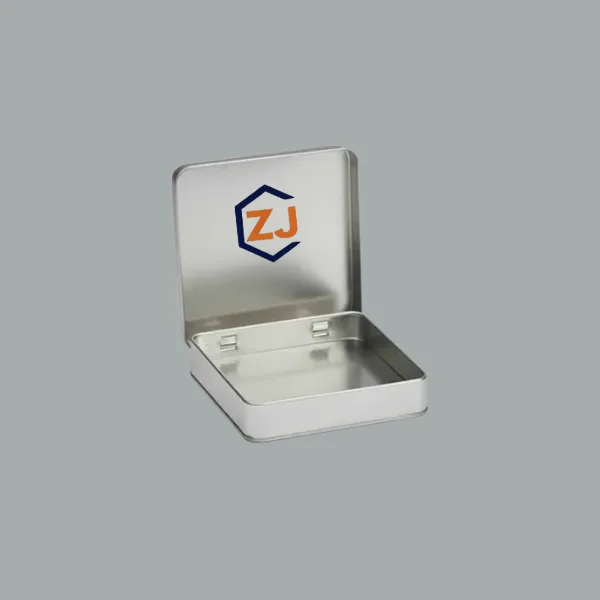
2. Square Tin Boxes
Used for tea, coffee, and decorative gift sets.
3. Rectangle Tin Packaging
Ideal for chocolates, biscuits, and retail products.
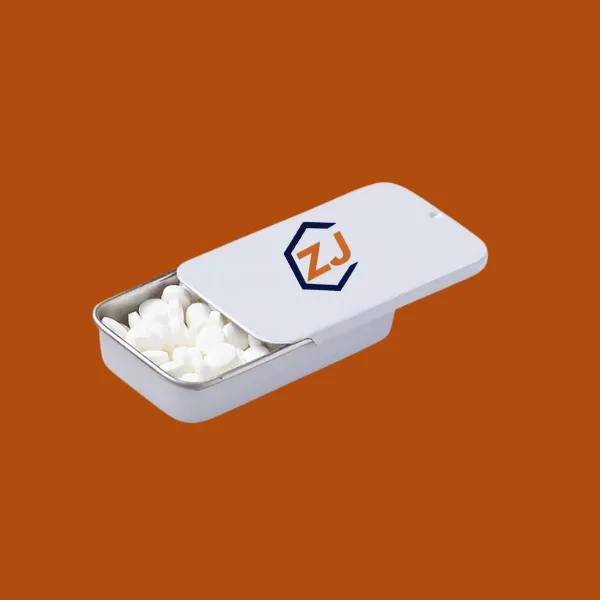
4. Slip Lid Tins
These have lids that slide on and off easily — good for creams and wax products.
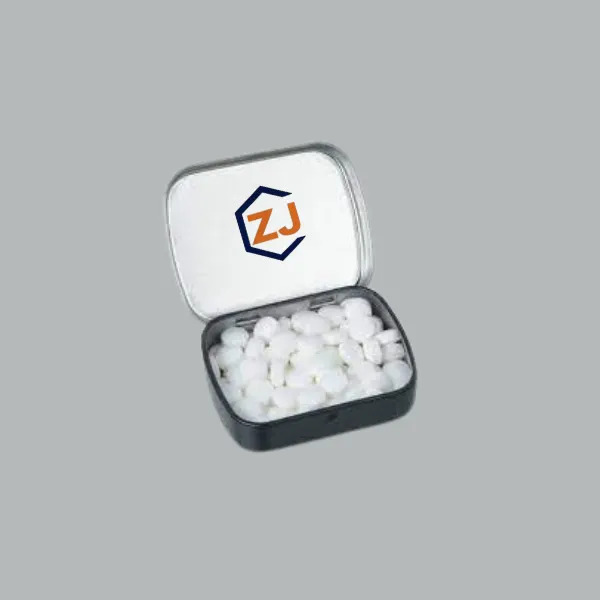
5. Hinged Lid Tins
The lid stays attached to the box, making it convenient for daily-use products.
6. Window Tin Boxes
Have a clear top window to show the product inside.
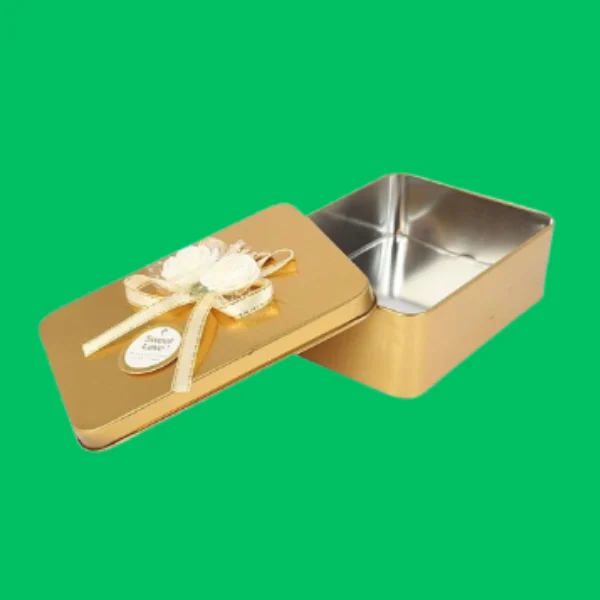
7. Fancy Gift Tins
Used for gifting festivals, holidays, or celebrations.
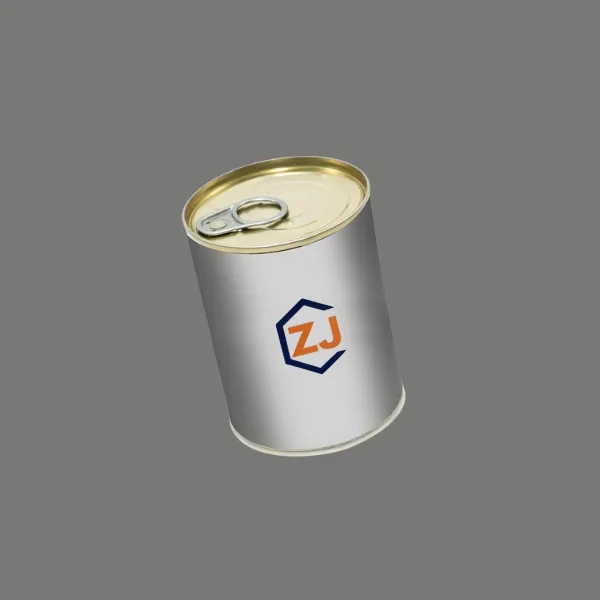
8. Deep Storage Tins
Made for heavier items like kitchen supplies or craft accessories.
Each type offers unique benefits and matches different product needs.
Materials and Structure of Tin Packaging
Although called “tin,” most modern tin packaging is made from steel sheets coated with tin metal. This coating prevents rust and keeps the packaging food-safe.
The structure usually includes:
- Tinplate sheets (thin metal coated with tin)
- Protective inner coating for food safety
- Printed outer layer for branding and design
- Clean metal edges for safe handling
This combination makes tin packaging strong, lightweight, and protective.
Why Tin Packaging Is Beneficial
Tin packaging offers several advantages that make it a favorite choice in many industries:
1. Excellent Product Protection
Tin is strong, moisture-proof, and shields products from sunlight and dust.
2. Long Shelf Life
Food products stay fresh longer because tin blocks air and humidity.
3. Premium Appearance
Tin packaging instantly gives a high-quality look that attracts customers.
4. Reusable & Long-Lasting
People often reuse tin boxes for storage, which increases brand visibility.
5. Customizable Design
It supports colorful printing, embossing, patterns, and creative shapes.
6. Eco-Friendly Material
Tin packaging is recyclable and reduces plastic waste.
7. Great Gift Appeal
Tin packaging is beautiful enough to be used as a gift box on its own.
These benefits make tin packaging suitable for a wide range of products.
Where Tin Packaging Is Commonly Used
Tin packaging is used across various industries. Some of the most common uses include:
Food Items
- Cookies
- Chocolates
- Spices
- Tea & coffee
- Dry fruits
Beauty Products
- Creams
- Lip balms
- Candles
- Soaps
Lifestyle Items
- Small tools
- Stationery
- Craft accessories
Gift Products
- Holiday gift sets
- Special editions
- Collectible items
Tin packaging adds charm and enhances the perceived value of these products.
Why Businesses Prefer Tin Packaging
Many businesses choose tin packaging because it improves both sales and presentation. Some key reasons include:
1. Better Branding
Tin packaging can be printed with logos, patterns, metallic effects, and raised textures.
2. High Customer Appeal
Customers often feel that tin-packaged products are more premium.
3. Strong Storage Value
The box does not deform easily and protects fragile or delicate items.
4. Long-Term Use
Customers keep the tin box even after the product is finished, giving long-lasting exposure to the brand.
5. Suitable for Online Shipping
Tin can handle bumps, pressure, and movement during delivery.
6. Ideal for Special Editions
For festivals, limited editions, and luxury products, tin packaging creates a memorable impression.
Businesses appreciate packaging that is stylish, reusable, and protective — and tin packaging fulfills all three qualities.
Tin Packaging and Product Safety
Tin packaging is especially trusted for products that need airtight protection. It helps in:
- sealing out moisture
- preventing flavor loss
- protecting aroma
- avoiding contamination
- keeping items safe from light
- preventing crushing
These features make tin packaging perfect for items like tea, spices, and biscuits.
Design Possibilities With Tin Packaging
Tin packaging is highly flexible in design. Businesses can create:
- embossed logos
- shiny metallic finishes
- matte textures
- custom shapes (heart, oval, star, rectangle)
- full-color prints
- patterned surfaces
- window cut-outs
This gives brands endless creative freedom to design packaging that stands out.
How to Choose the Right Tin Packaging
Choosing the best tin packaging depends on a few important points:
1. Product Type
Food items need air-tight tins, while gifts may need decorative tins.
2. Size & Shape
Choose a shape that fits the product comfortably.
3. Strength Level
Heavy products require thicker metal.
4. Printing Needs
Decide whether simple printing or detailed artwork is needed.
5. Lid Style
Slip lids, hinged lids, screw lids — each serves a different purpose.
6. Target Customer
Luxury tins for premium items and simple tins for everyday products.
Understanding these points helps businesses choose the ideal tin packaging.
Conclusion
Tin packaging continues to be one of the most reliable and attractive packaging choices in the market. Its durable structure, long-lasting freshness, and elegant appearance make it perfect for food, beauty items, gifts, and specialty products. Tin packaging is not only protective but also reusable and eco-friendly. With endless design options, brands can create packaging that captures attention and improves customer experience. Whether for everyday use or high-end gifting, tin packaging adds value, safety, and style to any product.