
Description
Turned Edge Boxes: The Classic Rigid Packaging That Never Goes Out of Style
Some packaging looks great on the first day and tired by the tenth. Turned edge boxes are different, because their clean edges, sturdy walls, and polished finish make a product feel valuable and keep that quality through shipping, storage, and years of reuse. If you sell cosmetics, jewelry, apparel, or gift sets, this guide will help you understand what turned edge boxes really are, why so many established brands trust them, and how to order them without running into the usual mistakes.
What Are Turned Edge Boxes?
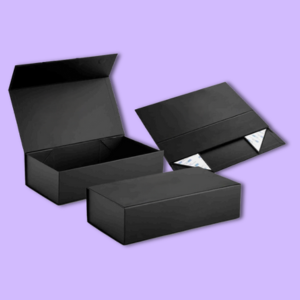
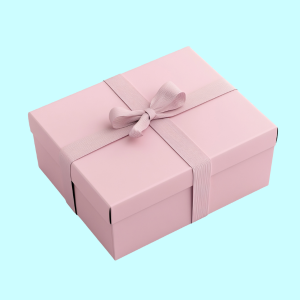
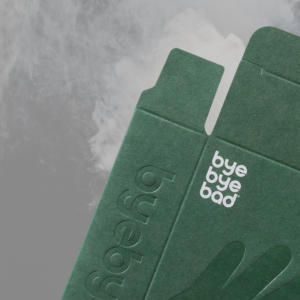
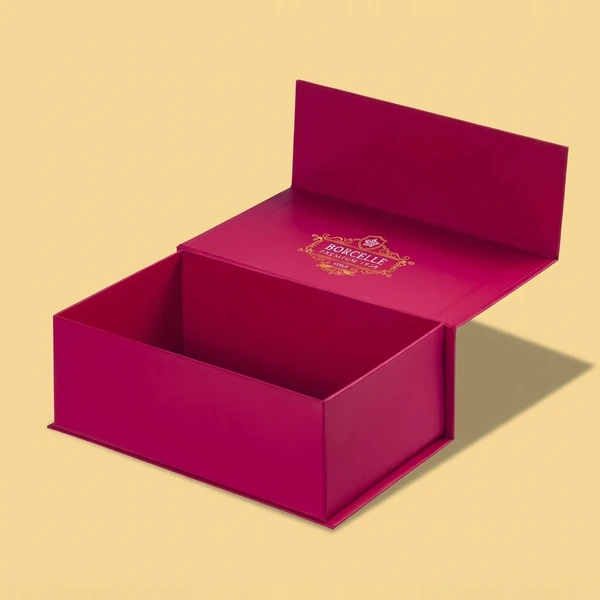
A turned edge box is a rigid box made from thick greyboard wrapped in printed paper or fabric, and what makes it special is the way that wrap is applied. The paper is cut slightly larger than the board, then folded over the edges and turned inward so the raw edges of the board are completely hidden. The result is a smooth, finished look with no visible seams along the rim, and a box that feels firm and carefully built the moment a customer picks it up. This is considered the traditional way of making rigid boxes, and many premium brands still prefer it because the quality is easy to see and even easier to feel.
How Turned Edge Boxes Are Made
The process starts with cutting greyboard to the exact dimensions of your design, and then the printed paper is glued onto the board with the extra paper left around the edges. That extra paper is folded inward and pressed down firmly, the corners are shaped by hand or machine, and the finished pieces are left to dry so the glue sets properly and the structure stays strong. Because so much of this work needs a skilled touch, the manufacturer you choose makes a noticeable difference to the final quality, and a rushed or careless job shows up quickly in uneven corners and loose paper.
Turned Edge vs. Other Rigid Box Constructions
Some rigid boxes are made with a wrapped finish where the paper covers only the outside and the inside is lined separately, which can leave the rim looking plain or slightly unfinished. Turned edge boxes take a more refined route, since the wrap continues over the rim and creates a neat inner border that looks complete from every angle. If you place two boxes side by side, the turned edge version usually looks better crafted, especially around the lid, and that small detail is often what makes a customer feel they are holding something premium.
Why Brands Prefer Turned Edge Boxes
The popularity of this style comes from a mix of good looks and real practical strength, which is a rare combination in packaging.
A Premium Look Customers Notice Instantly
Edges are the first thing people touch, and sloppy edges are the first thing they notice. A properly turned edge gives a crisp, professional finish that signals care and quality before the customer has even looked at the product inside. Most buyers will never know the technical term for it, but they feel the difference immediately, and that feeling shapes how they judge your brand, your pricing, and the product itself.
Excellent Protection for Your Products
The thick board and folded wrap create a box that resists crushing, dents, and everyday rough handling. Perfume bottles, watches, electronics, and skincare sets stay safe inside, which means fewer damage claims, fewer returns, and fewer unhappy reviews. A product that arrives in perfect condition leaves a far better impression than one that rattles around in a flimsy carton, and over time that reliability builds real trust with your customers.
Strong Branding Space
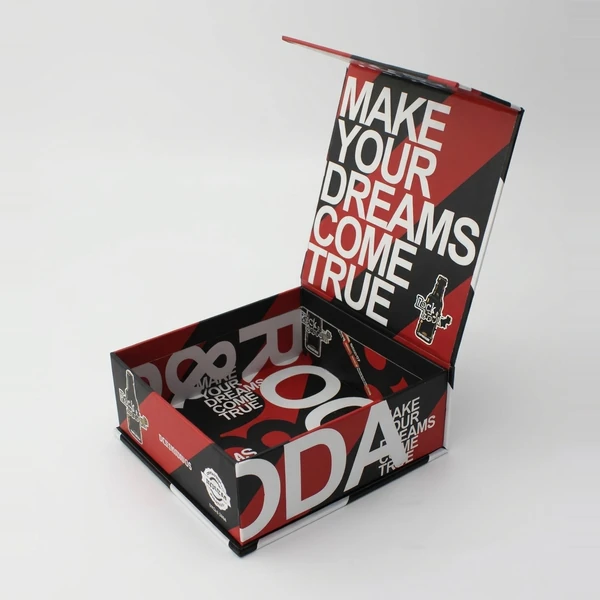
The smooth, firm surface of a turned edge box is ideal for printing logos, patterns, and brand colors, because the paper stays flat and the print stays sharp. Whether you prefer a minimalist design with a single logo or a bold full color print covering every side, the finish holds up well and gives your brand a confident, consistent look on every shelf and in every delivery.
Where Turned Edge Boxes Work Best
Almost any product that benefits from a high-end presentation can use these boxes, but a few industries rely on them more than others.
Cosmetics, Perfume, and Skincare
Beauty customers buy with their eyes first, so packaging carries a lot of weight in this industry. A turned edge box in matte black with gold foil, or in a soft pastel with embossed lettering, sets the tone before the product is even opened, and it helps a new brand compete with bigger names on presentation alone.
Jewelry, Watches, and Accessories
Small, valuable items deserve a box that feels protective and special. Add a velvet or foam insert and the product sits neatly in place, ready to be admired, while the snug lid keeps dust out and protects the item during travel. This is also why many buyers keep jewelry boxes long after the purchase.
Apparel, Gifts, and Luxury Treats
Scarves, shirts, belts, and wallets look more thoughtful in a rigid box, and gift sets, wedding favors, and corporate hampers gain a lot from this style because the box itself becomes part of the present. Chocolates, dates, dry fruit, and tea are also commonly packed this way for festive seasons, though you should ask for a food safe liner or tray whenever the box will touch food directly.
Choosing the Right Materials and Finishes
Your material and finish choices decide how your brand is perceived, so it is worth thinking them through carefully before you approve a design.
Wrapping Paper Options
Art paper is the most common choice because it prints colors beautifully and gives a smooth, clean surface. Kraft paper offers a natural, earthy look that suits handmade and organic brands, while textured papers add a tactile quality that people enjoy touching. Leatherette and fabric wraps are the best fit for brands that want a truly luxurious character, although they usually cost more than standard paper.
Finishing Techniques That Add Value
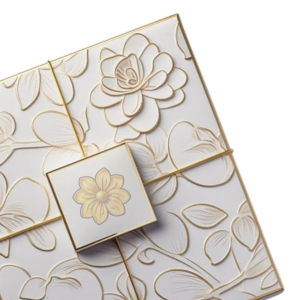
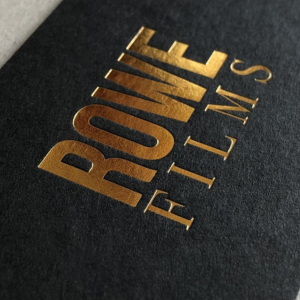
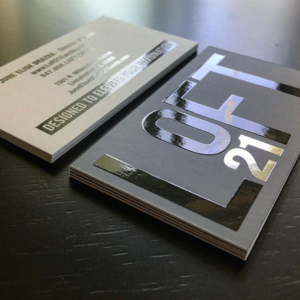
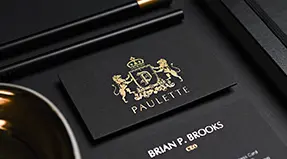
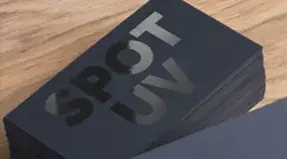
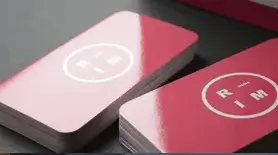
Matte lamination gives a modern, calm look, while gloss lamination makes colors pop and feels bright and energetic. Soft touch coating creates a velvety surface that feels expensive in the hand, hot foil stamping adds metallic shine to logos and borders, and embossing or debossing creates raised or pressed designs you can feel with your fingertips. Spot UV can highlight a pattern or brand name with a glossy touch against a matte background. A word of advice from years of working with packaging: restraint pays off, and one or two carefully chosen finishes almost always look better than a box crowded with every effect available.
Inserts and Add-Ons
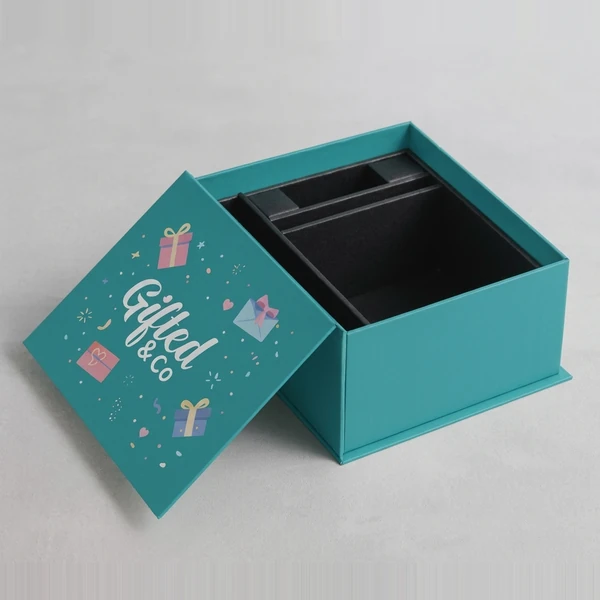
An insert keeps your product from moving and makes the unboxing feel organized and intentional. Foam, cardboard, and velvet inserts are the usual options, and ribbons, magnetic closures, or a small thank you card can be added for extra polish. These details cost very little compared to the value they add, and they are often what customers mention when they talk about your packaging online.
Sustainable Choices
Many shoppers now prefer brands that care about the environment, and packaging is one of the most visible ways to show it. Recycled greyboard, water based inks, and paper-based inserts let you offer eco-friendly packaging without losing the premium feel, and you can mention these choices on the box or in your product listing to strengthen your brand image.