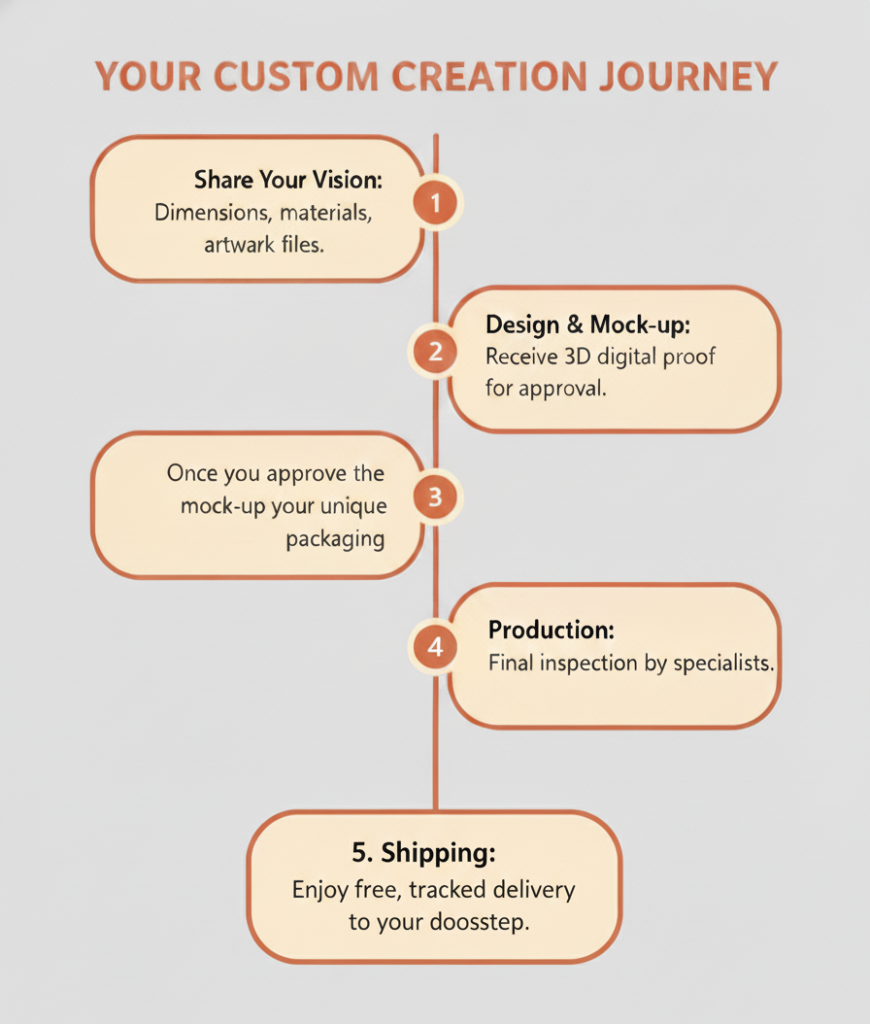
Description
Two Piece Rigid Boxes: Packaging That Makes Your Product Feel Premium
When a customer picks up a box that feels solid and well made, they start trusting what’s inside before they even open it. That is exactly why two piece rigid boxes have become a favorite among brands that care about presentation. Whether you sell perfume, jewelry, chocolates, or corporate gifts, this style of packaging does a lot of the selling for you. In this guide, I’ll explain what these boxes are, where they work best, and how to order them without wasting money.
What Are Two Piece Rigid Boxes?
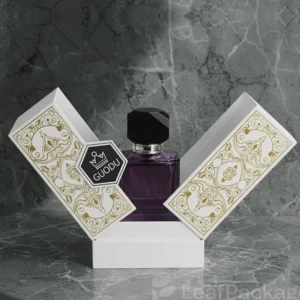
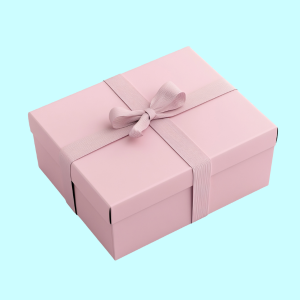
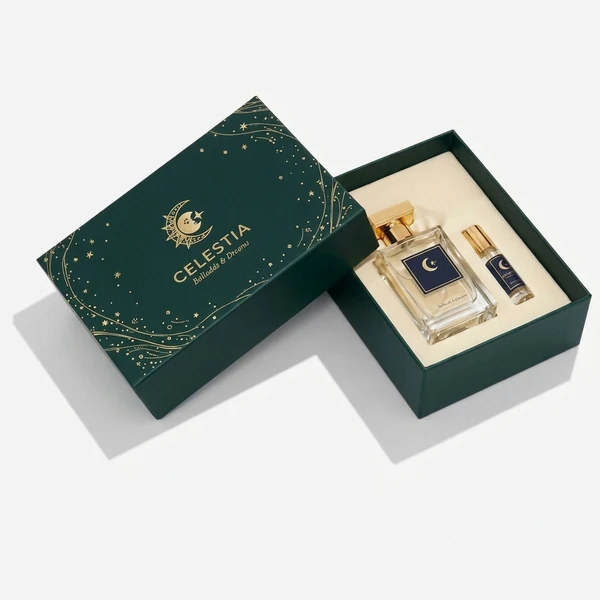
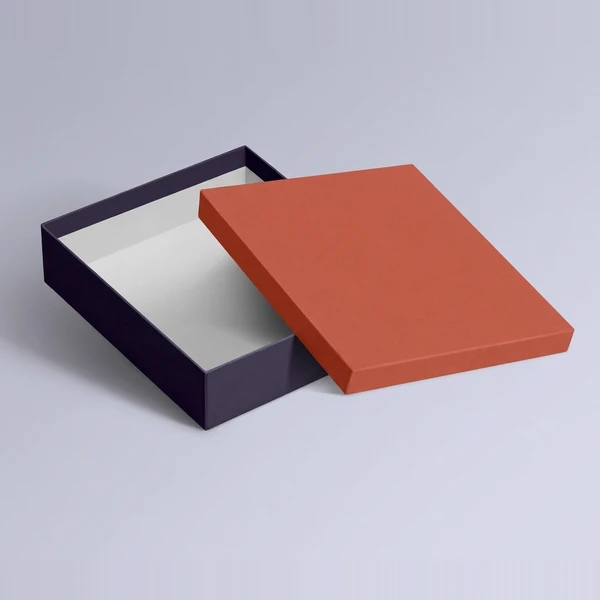
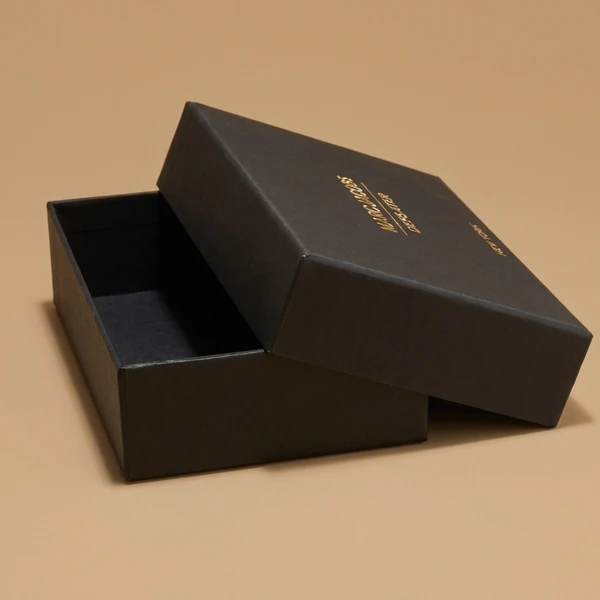
A two piece rigid box is made of two separate parts: a base and a lid. The lid fits over the base and sits snugly in place. You may also hear them called lid and base boxes, telescope boxes, or cover boxes, but they all describe the same basic idea.
They are called rigid because they are made from thick paperboard, usually between 1.5mm and 3mm, and then wrapped in printed paper, fabric, or a specialty finish. Unlike regular folding cartons, they don’t collapse or bend easily. The box stays firm in the customer’s hands, and that firmness is what creates the premium feeling.
How They Differ From Other Rigid Box Styles
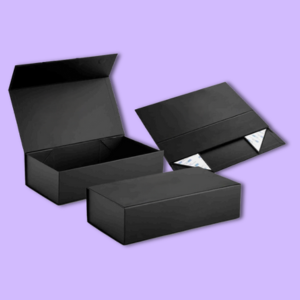
Rigid packaging comes in several styles, including magnetic closure boxes, book style boxes, and drawer boxes. Two piece boxes are the simplest and most classic of them all. Because there are no hinges, magnets, or ribbons that can break, they are easier to produce and usually more affordable than other luxury options, while still looking very elegant.
Why Brands Choose Two Piece Rigid Boxes
There are good practical reasons behind their popularity, and it goes well beyond looks.
Strong Protection for Valuable Products
The thick walls absorb pressure and small knocks during handling and shipping. Fragile items like glass bottles, watches, skincare products, and electronics travel much safer in a rigid box than in a standard carton. This means fewer damaged orders, fewer complaints, and fewer refunds for your business.
A Memorable Unboxing Experience
Lifting a lid slowly feels very different from tearing open a cardboard flap. Add tissue paper, a neat insert, and a small thank you card, and the opening becomes a moment your customer remembers. Many people film these moments and share them on Instagram and TikTok, which gives your brand free exposure.
Boxes That Customers Keep
People rarely throw away a good rigid box. They use it to store jewelry, photos, accessories, or gifts. Every time they pick it up again, your logo is in front of them, which keeps your brand in their mind long after the purchase.
Best Uses for Two Piece Rigid Boxes
Almost any product that needs a premium look can go in a rigid box, but a few industries use them more than others.
Cosmetics and Skincare
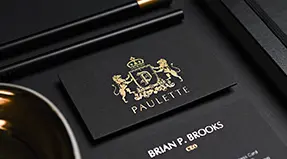
Beauty buyers judge a product by its packaging first. A matte black box with a gold foil logo instantly tells shoppers that the product is high end, even before they read the ingredients.
Jewelry and Watches
Rings, necklaces, and watches need a secure fit and a beautiful display. A velvet or foam insert holds each piece firmly in place while making it look special. The snug lid also keeps dust out and protects the finish.
Gift Sets and Hampers
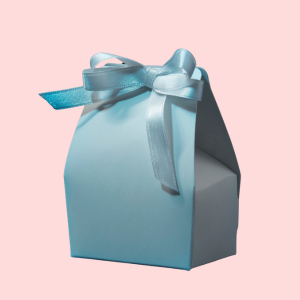
Corporate gifts, wedding favors, Eid and Ramadan hampers, and festive sets all look far better in a sturdy, well finished box. A good box turns a simple collection of items into a proper gift.
Food and Confectionery
Luxury chocolates, dates, and sweets are often packed in rigid boxes. If your product is edible, make sure the manufacturer uses a food safe liner or inner tray so the food stays fresh and safe.
Materials, Finishes, and Customization Options
This is the stage where you shape the personality of your brand, so it is worth spending a little time here.
Choosing the Right Wrapping Paper
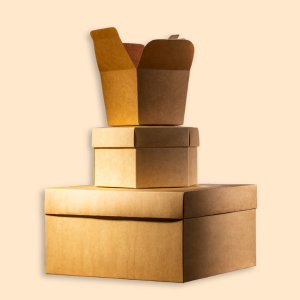
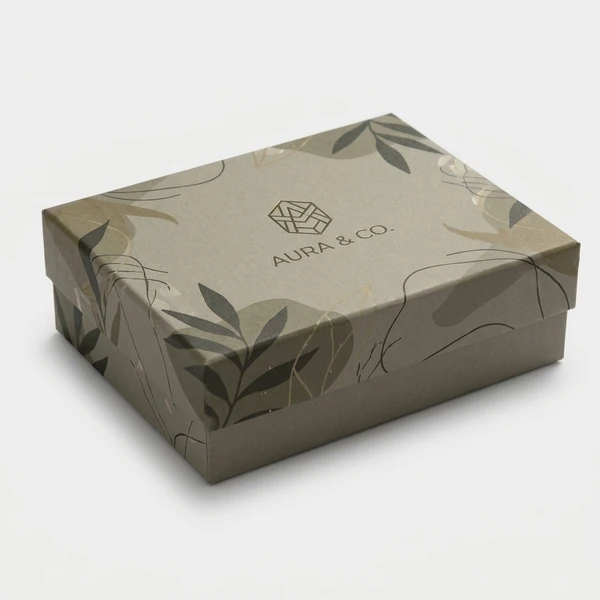
You can wrap your boxes in art paper, kraft paper, textured paper, leatherette, or fabric. Art paper works well when you want bold colors and sharp printing. Kraft and textured papers give a natural, eco friendly look, while leatherette and fabric add a more luxurious touch. The right choice depends on who your customers are and what your product represents.
Printing and Finishing Choices
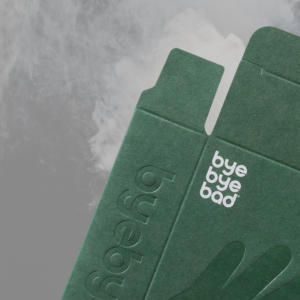
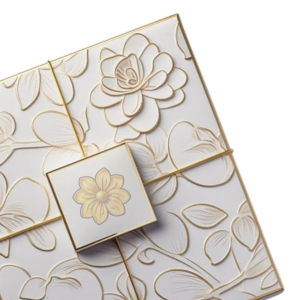
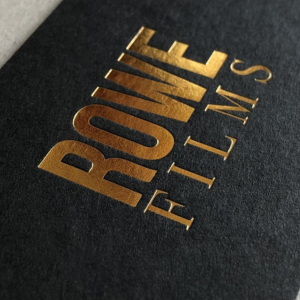
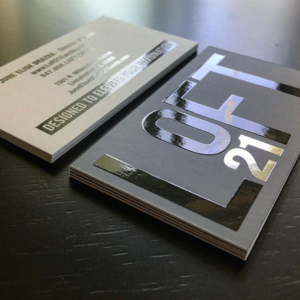
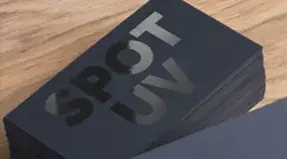
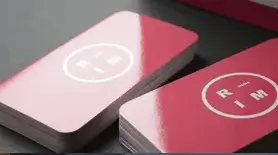
Finishing is what separates an average box from an exceptional one. Matte and gloss lamination protect the surface and give it a clean look. Soft touch coating adds a velvety feel that people love to hold. Hot foil stamping in gold, silver, or rose gold makes logos stand out, while embossing and debossing add texture you can feel with your fingers. Spot UV highlights specific parts of the design with a glossy shine.
One tip from experience: don’t use every finish on the same box. One or two well chosen effects usually look more expensive than a box crowded with five different ones.
Inserts That Hold Your Product in Place
An insert stops your product from shifting inside the box. EVA foam, cardboard, paper pulp, and velvet trays are all common choices. A well cut insert makes even a simple product look carefully presented, and it adds an extra layer of protection.
Eco Friendly Packaging Options
More customers now care about sustainability, so it helps to offer packaging that reflects those values. You can ask your manufacturer for recycled board, paper pulp inserts, and water based inks. These options may cost slightly more in some cases, but they can strengthen your brand image with environmentally conscious buyers.
How to Order Two Piece Rigid Boxes the Smart Way
Ordering custom packaging for the first time can feel confusing, but a simple process makes it much easier.
Start With Accurate Measurements
Measure the length, width, and height of your product in millimeters, and add a small allowance so it fits comfortably without rattling. If you are using an insert, include its thickness in your calculation. A box that is too loose looks careless, and one that is too tight is frustrating to open.
Plan Your Budget and Quantity
The price per box drops as the quantity goes up, because setup costs are spread across more units. Many manufacturers have a minimum order of around 300 to 500 pieces, so ask about this before you finalize your design.
Always Approve a Sample First
Never skip the sample stage. Holding a sample in your hands lets you check color accuracy, size, and finish properly, since colors on a screen often look different from the printed result. Fixing a mistake at sample stage costs very little, but fixing it after thousands of boxes are printed can be very expensive.
Confirm the Production Time
Rigid boxes take longer to make than simple cartons because a large part of the work is done by hand. Plan for about two to four weeks of production, plus shipping time, especially if you are preparing for a busy season like Eid or the holidays.