
Packaging is the first thing your customer touches before they even see your product. That moment — the weight of the box in their hand, the texture under their fingers, the sound it makes when it opens — tells them everything about your brand in under three seconds.
So if you’ve been wondering what type of paper to package elegant boxes, you’re asking the right question. The answer isn’t just “thick cardboard.” It’s a decision that affects your brand perception, your unboxing experience, and yes — your sales.
This guide breaks down every major paper type used in elegant packaging, explains what GSM to choose, and helps you match the right material to your product. No fluff. Just what you actually need to know.
Why the Right Paper Changes Everything
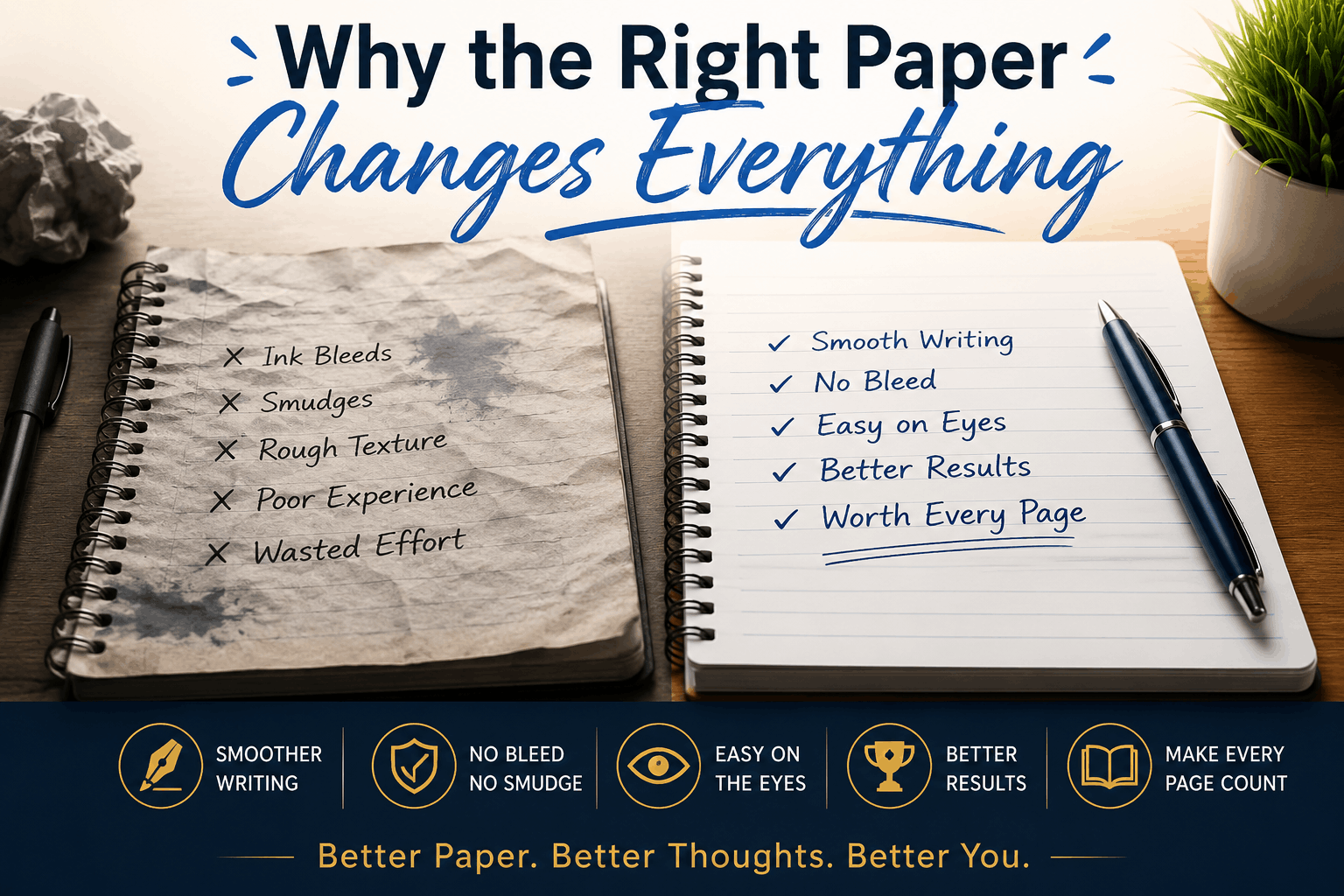
Think about the last time you received something in genuinely beautiful packaging. You probably saved the box.
That reaction isn’t accidental. It’s engineered through paper choice.
When a box feels heavy and substantial, customers assume the product inside is valuable. When the surface has a velvety softness or a subtle texture, it communicates craftsmanship. When colors print sharp and deep, it signals a brand that cares about quality.
The wrong paper does the opposite. It makes a $100 product feel like it cost $10.
Here’s what the right paper actually does for your brand:
- Builds perceived value before the product is seen
- Creates a tactile memory customers associate with your brand
- Supports premium finishes like foil stamping and embossing
- Reduces returns by protecting products properly
- Signals sustainability if that matters to your customers
Now let’s look at the paper types that actually deliver this.
7 Best Paper Types for Elegant Packaging Boxes
1. Rigid Paperboard — The Gold Standard for Luxury
If you sell anything that positions itself as premium — jewelry, high-end skincare, watches, spirits — rigid paperboard is where you start.
Rigid paperboard typically ranges from 800gsm to 1500gsm. It does not fold. It does not bend. It holds its shape completely, which is why it creates that satisfying, solid feel when a customer lifts the lid of a magnetic closure box.
What it’s best for:
- Jewelry boxes and watch packaging
- Premium cosmetics and perfume boxes
- Luxury gift sets and subscription boxes
- High-end electronics packaging
2. Art Paper (Coated Paper) — The Print Champion
Art paper is coated paper, usually between 100gsm to 350gsm, and it’s the go-to for brands that want vivid, sharp printing on their packaging.
There are two main types: gloss art paper (high shine, colors pop brilliantly) and matte art paper (subdued, sophisticated, no glare). Both are excellent at holding fine detail, photography, and complex brand graphics.
What it’s best for:
- Cosmetic and beauty packaging
- Electronics retail boxes
- Premium food and confectionery packaging
- Gift boxes where visual branding is the hero
3. Kraft Paper — The Eco-Luxury Choice
Kraft paper has had a complete transformation in recent years. What was once associated with plain brown grocery bags is now one of the most sought-after materials in premium packaging.
Natural kraft comes in its classic earthy brown, but it’s also available in white, black, and custom dyed options. Pair it with white ink, black foil stamping, or debossing, and you get packaging that looks intentional, modern, and sustainably responsible.
GSM range: 100gsm to 300gsm for wrapping; can be layered over thicker core boards.
What it’s best for:
- Organic and natural product brands (skincare, candles, soaps)
- Eco-conscious brands targeting sustainability-focused customers
- Artisan and handmade product packaging
- Boutique fashion and specialty gifting
4. Textured Paper — The Tactile Luxury Experience
Textured paper is exactly what it sounds like: paper with a surface that you can feel. Linen texture, leather-grain texture, cross-hatch patterns, woven effects — these papers make your packaging impossible to ignore because they engage touch in a way smooth surfaces cannot.
GSM range: 120gsm to 300gsm, typically used as a wrap over a rigid core board.
What it’s best for:
- Jewelry and fragrance packaging
- High-end fashion accessories
- Limited edition product releases
- Wedding and event packaging
Why it works: Over 70% of luxury consumers associate tactile finishes with higher product quality. When someone picks up a textured box, they already feel the premium before they see the product.
5. Metallic and Pearlescent Paper — For Drama and Celebration
Metallic paper delivers a reflective, chrome-like surface that catches light from every angle. Pearlescent paper is softer — it has an iridescent shimmer that shifts as you turn the box. Both create immediate visual impact.
GSM range: 120gsm to 250gsm, usually applied as outer wrap on rigid or folding carton structures.
What it’s best for:
- Holiday and seasonal packaging
- Jewelry and luxury gift boxes
- Limited edition collections
- Festive food, perfume, and cosmetics packaging
Metallic vs Pearlescent — which to choose:
- Choose metallic when you want bold, high-impact glamour (gold, silver, chrome effects)
- Choose pearlescent when you want sophisticated, elegant shimmer that’s more subtle and refined
6. Soft-Touch Paper — The Velvet Effect
Soft-touch paper (also called soft-touch laminated paper) has a coating that makes the surface feel almost like velvet or suede. It’s one of the most tactilely satisfying materials in packaging, and it’s become the material of choice for ultra-premium brands.
GSM range: 170gsm to 350gsm.
What it’s best for:
- High-fashion packaging
- Premium cosmetic and skincare brands
- Tech accessory boxes (phone cases, headphones, etc.)
- Any product where the unboxing moment is a core part of brand experience
7. Duplex and Chipboard (Grey Board) — The Hidden Backbone
This one doesn’t get talked about enough. Grey chipboard (also called greyboard or binder’s board) is the dense structural core inside most luxury rigid boxes. It’s what makes a box feel solid and gives it that satisfying weight. The decorative paper — kraft, textured, metallic, or soft-touch — is laminated over this core.
GSM range: 800gsm to 1500gsm and above.
GSM Guide: What Thickness Should You Choose?
GSM (Grams per Square Meter) is the standard measurement for paper weight and thickness. Higher GSM = heavier, thicker, more premium feel.
| Use Case | Recommended GSM |
| Inner tissue wrap | 17gsm – 40gsm |
| Outer gift wrap paper | 60gsm – 100gsm |
| Art paper for box printing | 150gsm – 350gsm |
| Kraft wrapping paper | 100gsm – 300gsm |
| Folding carton boxes | 250gsm – 500gsm |
| Rigid box core (chipboard) | 800gsm – 1500gsm |
| Luxury retail box (total) | 1000gsm+ combined |
How to Choose the Right Paper for Your Brand
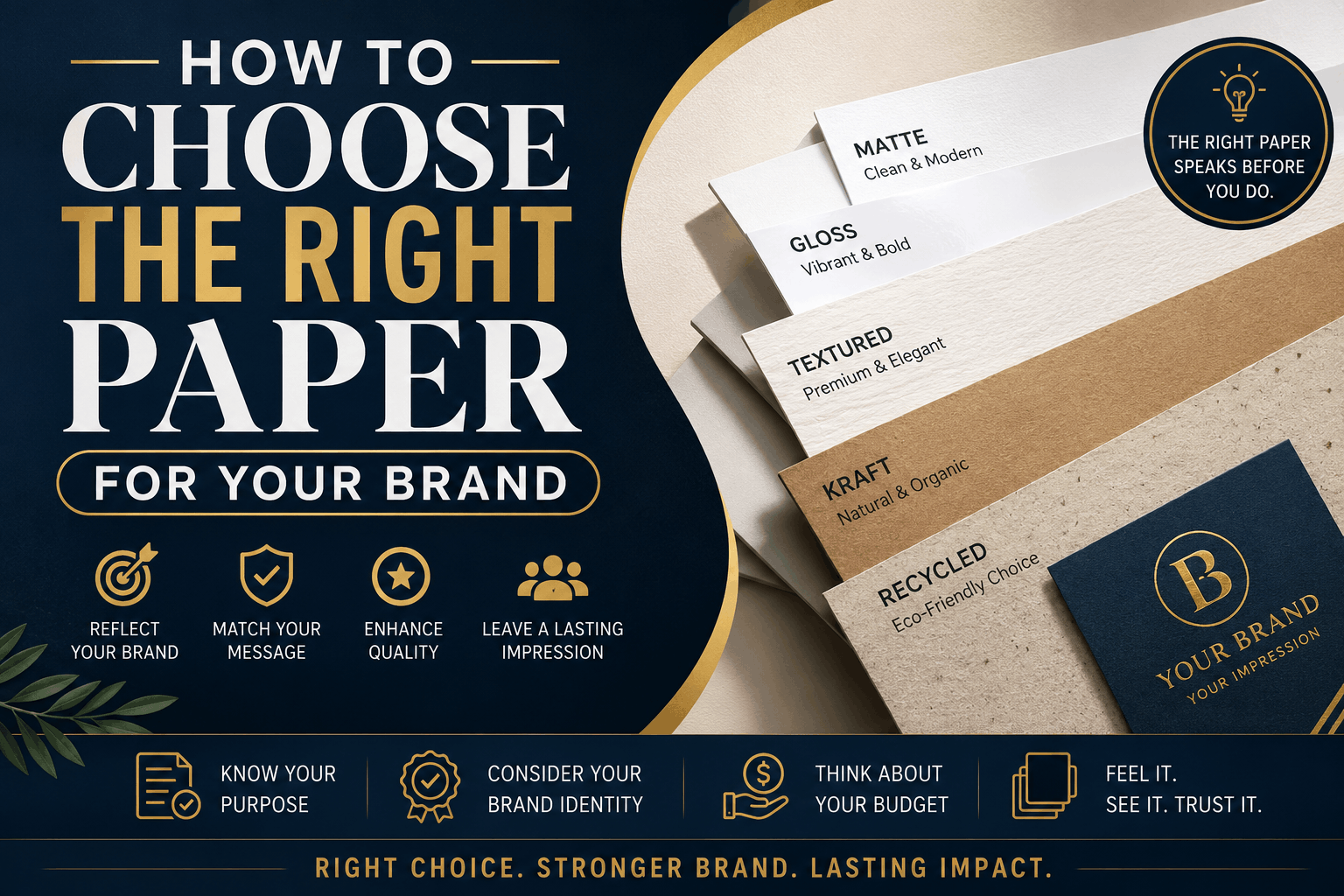
Choosing paper isn’t just a material decision — it’s a brand identity decision. Here’s a quick framework:
Step 1 — Know your product’s needs Heavy or fragile products need rigid, higher GSM structures. Light products like candles or soaps can use kraft or folding carton solutions at lower GSM.
Step 2 — Define your brand personality
- Eco-conscious and natural → Kraft paper with minimal printing
- Ultra-luxury and premium → Rigid board with soft-touch or metallic wrap
- Modern and sharp → Matte art paper with spot UV
- Festive or celebratory → Metallic or pearlescent finishes
Step 3 — Consider your customer Where will they receive this box? At home via e-commerce? On a retail shelf? In a gifting context? Each situation has different presentation needs.
Step 4 — Think about finishing Your paper choice must support the finishes you want. Foil stamping, embossing, and soft-touch lamination each work best on specific base materials.
Finishes That Elevate Any Paper Type
The paper is the canvas. The finish is what makes it memorable.
Foil Stamping — Adds gold, silver, rose gold, or holographic metallic accents. Works best on matte art paper, kraft, and soft-touch paper. Ideal for logos and brand names.
Embossing — Creates raised three-dimensional patterns or text. Adds powerful tactile and visual depth. Works on almost any paper type with sufficient GSM.
Debossing — The opposite of embossing — a pressed-in, indented effect. Elegant and understated. Popular in jewelry and fragrance packaging.
Soft-Touch Lamination — A velvety matte coating applied over printed paper. Transforms a standard surface into something that feels genuinely premium.
Spot UV — A high-gloss varnish applied to specific areas (like a logo) over a matte surface. The contrast creates a striking visual effect.
Matte Lamination — A full-surface matte coating. Reduces fingerprints and glare, gives a refined, sophisticated look.
Final Thoughts
The paper you choose for your elegant boxes is not a background detail. It is a brand statement. It communicates quality before your product is seen, felt, or used.
Whether you go with rigid paperboard for maximum luxury, kraft for eco-conscious sophistication, soft-touch for tactile premium feel, or metallic paper for visual drama — the key is to choose with intention.