
Description
3 Prong Pocket Folder: The Simple Way to Keep Documents Organized and Professional
Loose papers have a way of getting lost, bent, or mixed up at the worst possible moment. A 3 prong pocket folder solves that problem in a very simple way. It holds your pages in place, gives you pockets for extra material, and keeps everything looking neat. Whether you are a student, a teacher, a business owner, or a company handing out client packs, this folder is one of the most practical tools you can have on your desk.
What Is a 3 Prong Pocket Folder?
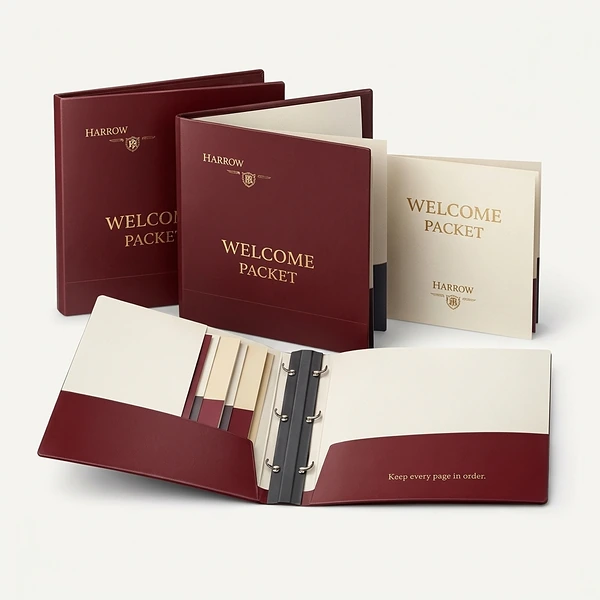
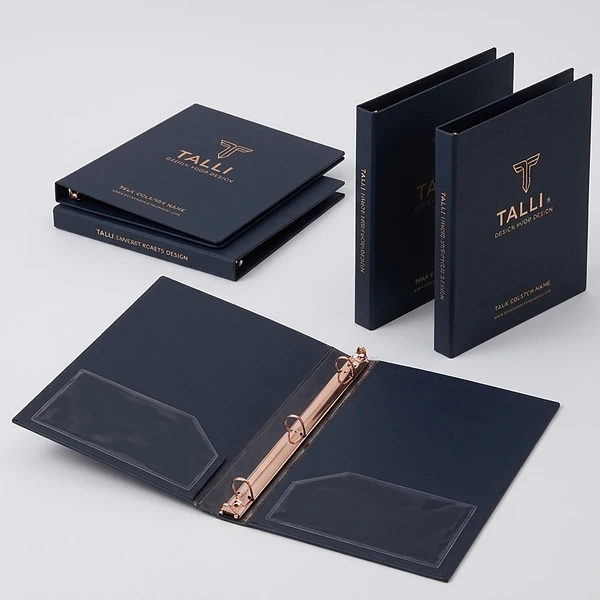
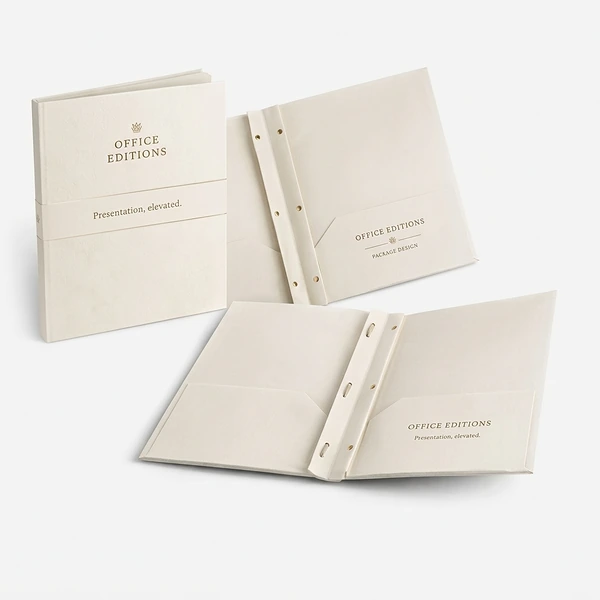
A 3 prong pocket folder is a two-panel folder with two inside pockets and three metal or plastic prongs fixed along the center fold. The prongs match standard three-hole punched paper, so you can slot pages in and keep them secure without needing a binder. The pockets, usually on the left and right panels, hold loose items such as handouts, brochures, business cards, or forms. Together, the prongs and pockets give you one place for both bound and loose documents.
How It Differs from a Standard Pocket Folder
A regular pocket folder only has pockets, so papers slide in and out freely. That is fine for temporary storage, but it does not keep pages in order. The prong version adds a fixed section for punched sheets, which makes it a better choice for notes, reports, and anything you want to flip through like a booklet.
Why People Choose 3 Prong Pocket Folders
This folder style has stayed popular for years because it is simple, flexible, and useful in almost every setting. Pages stay locked in order on the prongs, while loose papers rest safely in the pockets, so you can carry a complete set of documents without worrying about anything falling out.
Another advantage is flexibility. Unlike a stapled report, you can open the prongs and add, remove, or rearrange pages whenever you like. That makes the folder handy for projects that change often. It is also far slimmer than a binder, so it slips easily into a bag, a briefcase, or a desk drawer without adding bulk.
Finally, there is the professional look. A clean folder with a printed logo makes a much better impression than a loose stack of papers. It tells the person receiving it that the content was prepared with care.
Where 3 Prong Pocket Folders Are Used
This folder fits many settings, which is a big part of its appeal. In schools and colleges, students use them to organize class notes, assignments, and handouts by subject, while teachers use them for lesson plans, worksheets, and student records.
In offices, employees keep reports, meeting notes, and project papers together, and managers use them to prepare briefing packs for presentations. Sales teams get even more value from them. A custom folder can hold a proposal on the prongs, with brochures, price lists, and business cards tucked into the pockets, so the whole sales pack looks complete and well organized.
Medical and legal offices also rely on these folders, since patient information, forms, and case documents need to stay in order and be easy to find. Events, seminars, and training programs often hand out branded folders filled with schedules and materials, which turns an ordinary handout into something people actually keep.
Types of 3 Prong Pocket Folders
Not every folder is made the same way, and the right type depends on how you plan to use it. Paper folders are made from heavy paperboard, and they are affordable and easy to print on, which makes them a good fit for schools, events, and everyday use. Plastic folders, usually made from polypropylene, resist water, tearing, and wear, so they are a smart pick for students and anyone who carries documents daily.
Laminated folders are paper folders with a protective coating. The coating gives a smooth, polished surface and helps the folder last longer, which is why many companies choose it for corporate branding. Then there are custom printed folders, which carry your logo, colors, and design. Businesses use these for sales kits, onboarding packs, and promotional material.
Which Type Should You Choose?
For daily use and heavy handling, plastic is the most durable option. For presentations and branded packs, a printed and laminated paper folder looks more professional. Think about how often the folder will be handled and what kind of impression you want to leave.
Choosing the Right Features
Small details make a big difference in how useful a folder feels. Prong quality is the first thing to check. Metal prongs hold pages firmly and last longer, while plastic prongs are lighter and cheaper. Whichever you choose, make sure they sit flat and do not catch on the paper.
Pocket design matters just as much. Pockets should be deep enough to hold documents securely, and a business card slot is a useful addition for sales and client packs. Folder thickness is another factor, because heavier stock keeps the folder sturdy and stops it from bending, while thin material may cost less but wears out faster. Lastly, choose a size that fits your paper. Most folders are made for letter-size sheets, but custom sizes are available if your documents are different.
Design Ideas for Custom Folders
If you are ordering folders for your business, design plays a big role in how they are received. A clear logo, a clean color palette, and a short tagline are usually enough. Too much text or artwork can make the folder look crowded and hard to read.
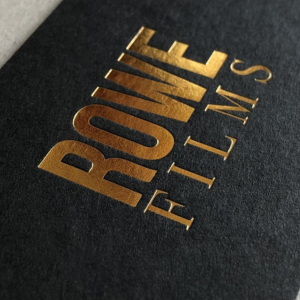
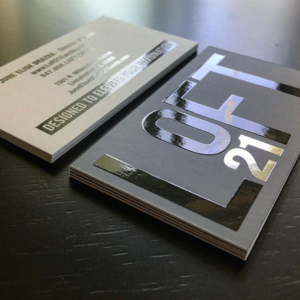
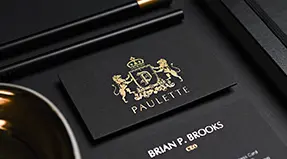
Color should be used with purpose. Dark tones feel formal and trustworthy, while bright colors suit creative and educational uses. It also helps to add a few practical details, such as a contact panel, a website address, or a business card slot. People are far more likely to keep a folder that is genuinely useful. Finally, think about the finish. A matte surface feels modern and understated, while a glossy one looks bright and eye-catching, so pick whichever matches your brand’s personality.
Tips for Using a 3 Prong Pocket Folder Well
A little organization goes a long way. Use a standard three-hole punch so your pages sit straight and tear less over time. Keep brochures, receipts, and extra forms in the pockets instead of forcing them onto the prongs, which keeps the folder balanced and easy to close. If you use several folders at once, add a small label or printed title on the front so you can find the right one quickly.