Description
USB Packaging: How to Turn a Tiny Drive into a Gift Worth Keeping
A USB drive is one of the smallest things you can sell, and that makes it surprisingly easy to get wrong. Drop one in a plastic bag and it feels like something picked up at a checkout counter. Place the same drive in a well-made box, and suddenly it feels like a present. Nothing about the drive has changed, but the way people see it has.
That is the idea behind good USB packaging. At ZJ Packaging, we make custom boxes for flash drives, and we have seen how much difference a box makes to photographers, tech brands, and companies sending out corporate gifts. This guide covers the styles, materials, finishes, and small details worth thinking about before you place an order.
Why USB Packaging Matters More Than You Think
A flash drive often carries something valuable. It might hold a wedding video, a client presentation, a software licence, or a full set of edited photos. The drive itself costs very little, but what is on it can be priceless to the person receiving it. The packaging should show that.
There is a practical side as well. USB drives are small, easy to lose, and easy to damage. A proper box keeps the connector clean, stops the casing from scratching, and gives the drive a safe place to live between uses. Anyone who has found a loose drive at the bottom of a bag will understand why.
Then there is branding. A drive with your name on the box tends to stay on a desk or in a drawer for a long time. Every time the owner reaches for it, they see your logo, and that is marketing you do not have to pay for twice.
Finally, there is perception. People judge a product by how it arrives. A neat, sturdy box suggests that the business behind it pays attention to detail, and customers carry that impression into every other part of the relationship.
Who Needs Custom USB Boxes?
More businesses use them than you might expect. Here are the most common groups we work with:
- Photographers and videographers who deliver digital files together with printed albums or prints
- Wedding and event studios who want to hand couples a keepsake, not just a download link
- Software companies that ship installers, licences, or training material on a drive
- Corporate teams giving drives loaded with brochures, catalogues, or event material
- Schools and training providers handing out course content
- Online sellers who sell flash drives as products and need packaging that stands out on a shelf or in a photo
Whatever the use, the aim is the same. The box should look as good as what is inside.
Popular USB Box Styles
Different situations call for different boxes. These are the styles we are asked about most often.
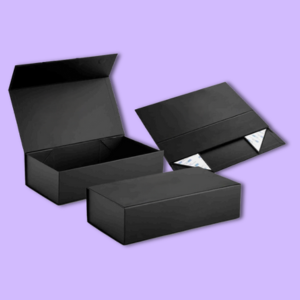
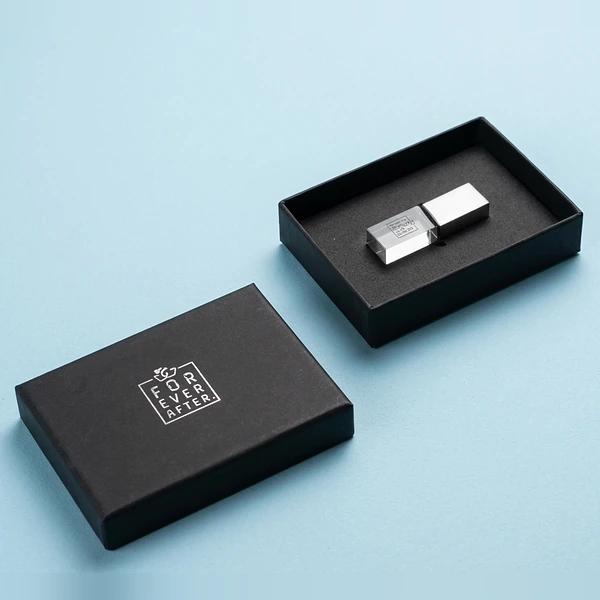
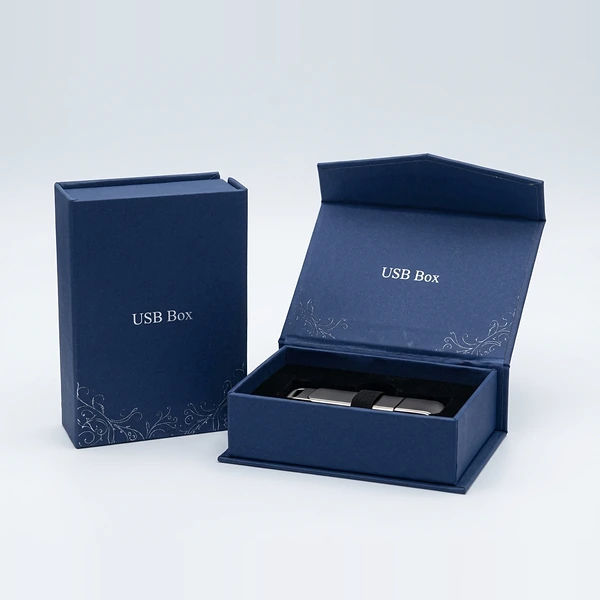
Rigid boxes are strong, heavy, and feel premium in the hand. They suit photographers and luxury gifts, where the box is part of the experience. A magnetic closure adds a soft click when the flap shuts, which many customers enjoy and remember.
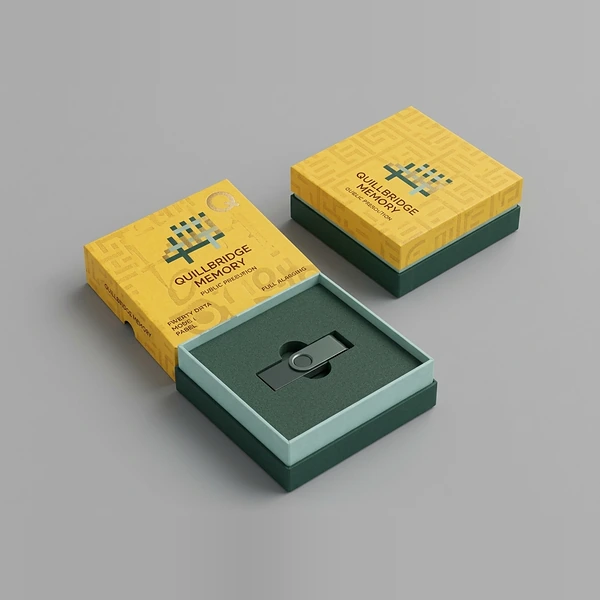
Slide boxes, sometimes called drawer boxes, have an inner tray that slides out of an outer sleeve. They are neat and compact, and they make opening the box feel slow and special. A small ribbon pull makes the movement even smoother.
Paperboard folding cartons are lighter and cost less, so they suit retail products and larger quantities. They ship flat and print beautifully, which makes them a smart choice for tech brands that sell in volume.
Window boxes have a clear cut-out so customers can see the drive without opening anything. This works well when the design of the drive is part of the appeal.
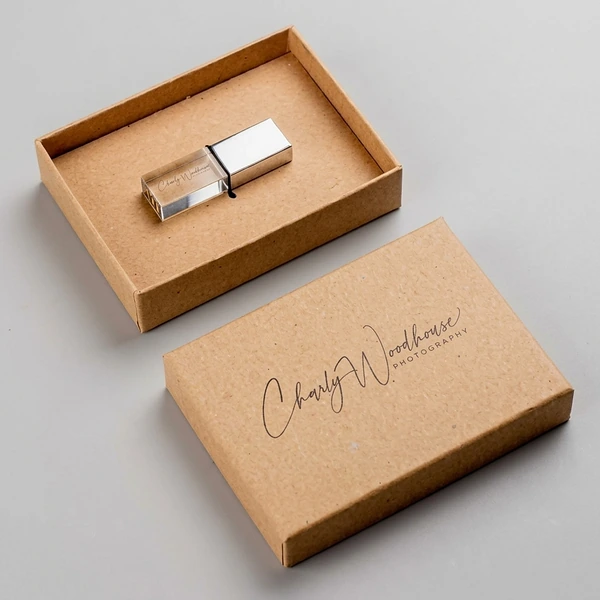
Hinged-lid or book-style boxes open like a small book. They are popular for photographers, since the lid can hold a thank-you message while the drive sits in the base.
Materials That Work Well
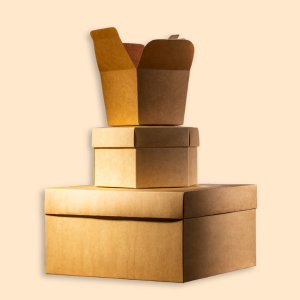
Material decides how the box feels, how long it lasts, and how much it costs. Rigid board is the usual pick for premium boxes, since it holds its shape and protects the drive well. Paperboard is thinner and more affordable, which makes sense for bulk orders. Kraft board has a natural, earthy look that suits eco-minded brands.
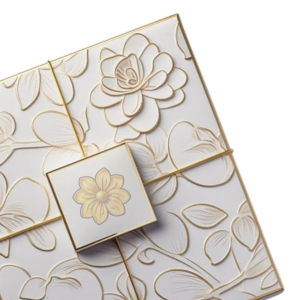
For the outer covering, you can choose coloured paper, textured linen, or a soft-touch finish. Smooth matte paper looks modern and clean, while textured papers feel traditional and warm. The right choice depends on the tone of your brand. A tech company might prefer clean and minimal, while a wedding studio may lean toward soft, tactile textures.
The Insert Is Where the Magic Happens
The insert is the part customers rarely think about, but it does most of the work. It holds the drive firmly so it cannot rattle, and it makes the opening moment feel organised and thoughtful. A box with a poor insert feels cheap, no matter how nice the outside looks.
EVA foam is a popular choice because it is soft and can be cut to the exact shape of the drive. Velvet-covered inserts give a jewelry-box feel and suit gift sets. Paper pulp or cardboard inserts are a good eco-friendly option and still hold the drive securely. You can also add a small slot for a thank-you card, a printed guide, or a licence key.
Getting the cut-out right is important. If it is too tight, the drive is hard to remove. If it is too loose, it slides around. Always send us the real drive, or its exact length, width, and thickness, so we can make the cut-out to fit.
Finishes and Printing
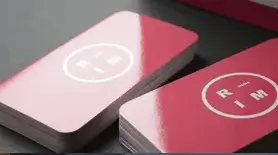
Printing is where your brand appears, and a few well-chosen finishes can change the feel completely. Matte lamination looks calm and modern. Gloss makes colours stand out, which helps on retail shelves. Soft-touch coating feels like suede and gives the box a premium touch that people notice the moment they pick it up.
For small details, there are several options to consider:
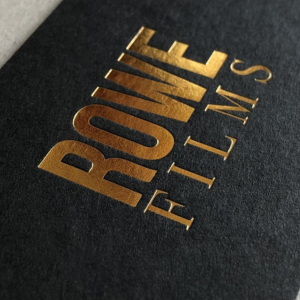
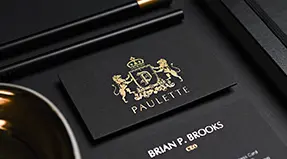
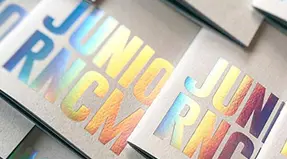
- Foil stamping in gold or silver makes a logo look sharp, even on a compact box
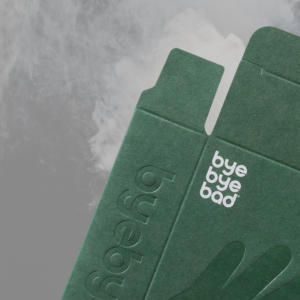
- Embossing creates raised lettering you can feel
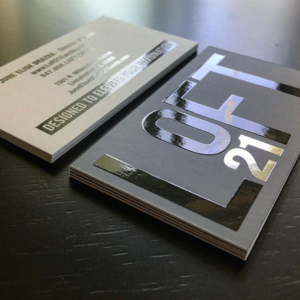
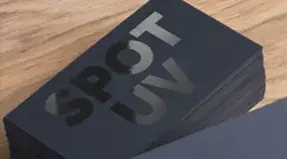
- Spot UV adds a glossy highlight to one area against a matte background
- Single-colour printing keeps things simple and elegant for minimal brands
On a box this small, less is usually more. A clean logo and one carefully chosen finish often look better than a crowded design with five effects fighting for attention.
Think About the Whole Experience
Good USB packaging is about more than the box itself. Think about what the customer sees first, what they hold, and what they remember afterwards. A few small touches can lift the whole experience, and they cost very little:
- A printed message inside the lid, such as a thank-you or a short note about the contents
- A QR code that links to a tutorial, a gallery, or your website
- A label that clearly states what is on the drive and how much storage it has
- A ribbon or pull tab that makes the drive easy to lift out
- A small card with contact details or a support link
Customers rarely mention these details out loud, but they notice them, and they make the box feel cared for.
Getting the Size Right
USB drives come in many shapes. Some are slim card styles, others are chunky metal or swivel designs, and some have loops or caps that change their dimensions. Measure the drive at its longest, widest, and thickest points, and include any cap or keyring. Then add a small amount of room for the insert.
If the box will also hold a card, a booklet, or a cable, measure those too. A plain white sample is worth ordering first. It costs a little extra, but it is far cheaper than finding out the drive does not fit after thousands of boxes are printed.