

Description
Custom Coin Box: What to Know Before You Order
A coin is small, heavy and usually means something. It might mark a military unit, a company anniversary, a charity milestone or a limited collector’s release. It is also easy to scratch, easy to lose and surprisingly easy to hand over badly. A coin dropped into a plain envelope loses most of what made it special in the first place.
A custom coin box fixes that. It protects the metal, presents the coin properly and gives the person receiving it a reason to keep it. At ZJ Packaging we make custom boxes for brands, clubs, mints and organisations, and this guide shares what we have learned about getting a coin box right.
What Is a Custom Coin Box?
A custom coin box is made to hold one coin or several, with a fitted insert that keeps each piece snug and on show. Some are plain and practical. Others are wrapped in printed paper, fabric or soft-touch laminate, with foil on the lid and a velvet-lined interior that feels closer to a jewelry box than ordinary packaging.
The best ones do two jobs at the same time. They guard the coin against scratches, fingerprints and knocks, and they turn the act of opening the box into a small occasion. That second job matters more than most people expect, because the box is the first thing the recipient touches and it sets the tone for everything else.
Who Orders Coin Boxes?
The range of customers is wider than you might think. Military and veteran groups order them for challenge coins, which are often handed over in person and treasured for years. Companies use them to mark anniversaries and product launches. Mints and collectible brands rely on them for limited editions, where the packaging is part of what the buyer is paying for. Clubs, schools, charities and event organisers round out the list, usually for commemorative pieces given to members, donors or guests.
Each group wants a slightly different feel. A veteran association will often lean towards something dark and dignified, with a single gold foil emblem. A collectible brand may prefer a window lid, so buyers can see the coin before they open the box. There is no single right answer, only a right answer for your audience.
Choosing a Box Style
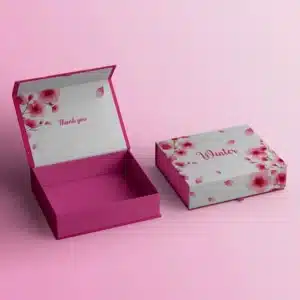
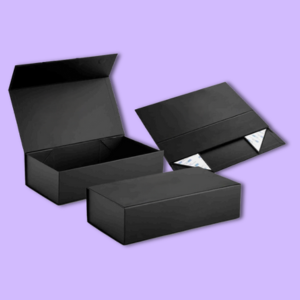
For gifts and presentations, a hinged box is hard to beat. It opens like a book and shows the coin the moment the lid lifts, which gives the handover a bit of ceremony. A lift-off lid box is just as sturdy and works well for larger coins or sets of several pieces.
If the coin is going to sit on a shelf in a shop, a window box is worth considering. The clear panel lets customers see exactly what they are buying, and that often makes the difference at the point of sale. For big giveaway quantities where budget matters most, a slim paperboard carton is a sensible choice. It ships flat, prints well and keeps the cost per unit down.
A simple rule of thumb: if the coin is a gift, go rigid. If it is a product, think about a window or a carton.
The Insert Matters Most
When the lid opens, the insert is what the customer actually looks at, so it deserves real attention. Foam cut to the exact diameter of the coin gives dependable protection and is the most common choice. Velvet or fabric-covered inserts look richer and make metal finishes like antique gold, bronze or silver stand out beautifully. If sustainability is part of your brand, a paperboard insert is lighter and cleaner.
Coins come with their own quirks, which is why fit needs care. Thickness varies, edges can be raised, and some coins are not perfectly round at all. If yours has an unusual shape, tell us early. Multi-coin sets can be laid out in rows or arranged around a central piece, and a small slot can hold a certificate or a card that tells the coin’s story.
The cut-out should hold the coin firmly without making it a struggle to remove. A loose coin rattles and makes the box feel cheap, while one wedged in too tightly frustrates the person trying to lift it out. The easiest way to get this right is to send us the real coin, or exact measurements including thickness.
Colour, Printing and Finishing
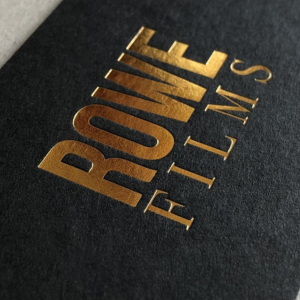
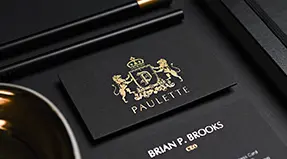
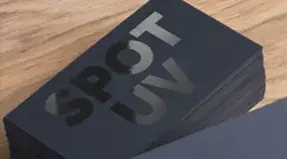
Coins are small, so the box should not shout over them. Gold or silver foil on a dark box feels classic and formal, and it suits almost any occasion. Embossing is a quiet way to add your logo, because people feel it with their fingertips before they read it. Soft-touch paper gives a smooth, matte surface that is pleasant to hold, and fabric wraps in navy, black or burgundy push the box firmly towards the premium end.
The mistake we see most often is overloading the lid. A logo, a slogan, a date, a pattern and three different finishes on one small surface just look crowded. Pick one main element, leave plenty of space around it and keep your colours in line with the rest of your branding. Restraint almost always looks more expensive.
Small Details Worth Adding
Some of the most appreciated touches cost very little. A short message or year printed inside the lid feels personal. A ribbon pull under the coin helps it lift out cleanly. A magnetic closure shuts with a quiet click that people associate with quality, and a QR code can link to the story behind the coin or a collector page. For limited editions, a numbered label adds a sense of rarity that collectors love