Description
Rigid Jewelry Boxes: The Packaging Your Jewelry Deserves
Anyone who has sold jewelry online knows the quiet panic that sets in after a customer clicks “buy.” The piece itself is perfect, but what will it arrive in? A thin carton or a loose pouch can make a beautiful ring feel ordinary within seconds. A sturdy, well-finished box does the opposite. It tells the buyer that the money was well spent before they even touch the jewelry.
That is why more small studios and growing brands are switching to rigid jewelry boxes. In this guide, I will walk you through how they are made, which styles are worth considering, and what to check before you place an order.
What Makes a Jewelry Box “Rigid” in the First Place?
Thick Board, Hand-Wrapped Finish
A rigid box is built from dense paperboard, usually between 1.5mm and 3mm thick. That board is then wrapped by hand in printed paper, fabric, or leatherette. Unlike a folding carton, which ships flat and gets assembled later, a rigid box arrives already formed. It will not collapse or bend if you press on it, and that strength is exactly why it suits rings, earrings, bracelets, and watches.
Why Buyers Keep These Boxes for Years
People rarely throw away a nice jewelry box. They store keepsakes in it, use it on a dresser, or reuse it when gifting something to a friend. Every time that happens, your logo gets another round of attention at no cost to you. A plain mailer goes into the bin the same day, but a rigid box stays and keeps working for your brand.
Five Box Styles Worth Considering
The Classic Lift-Off Lid
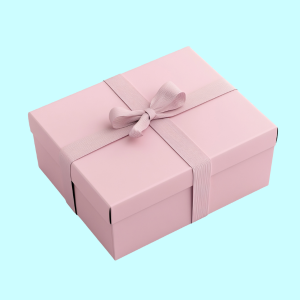
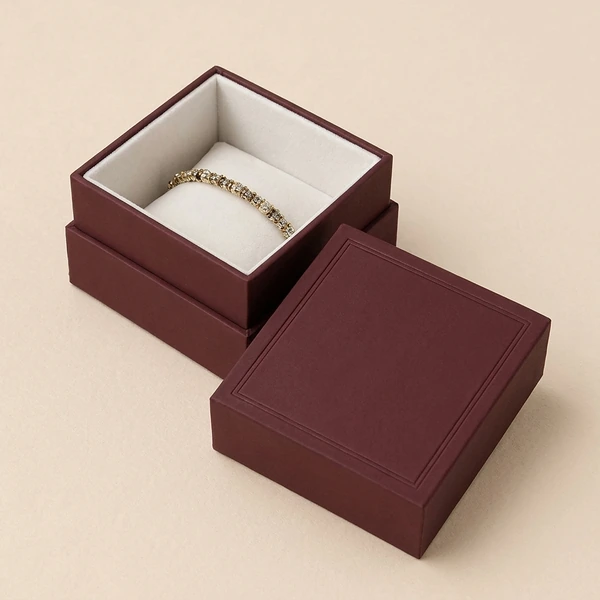
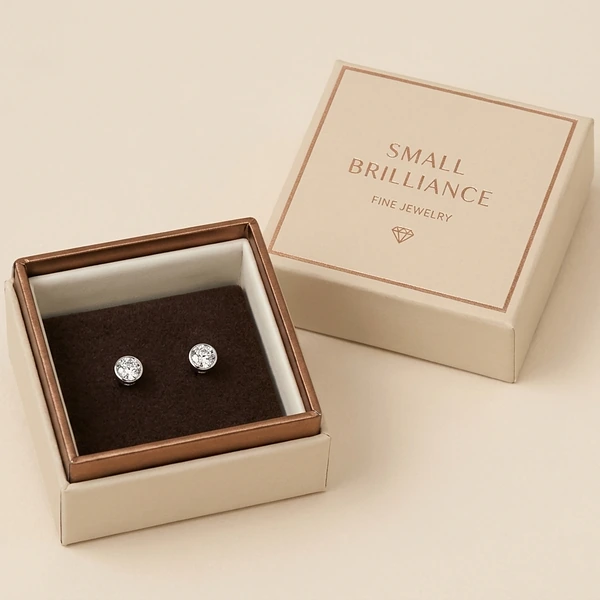
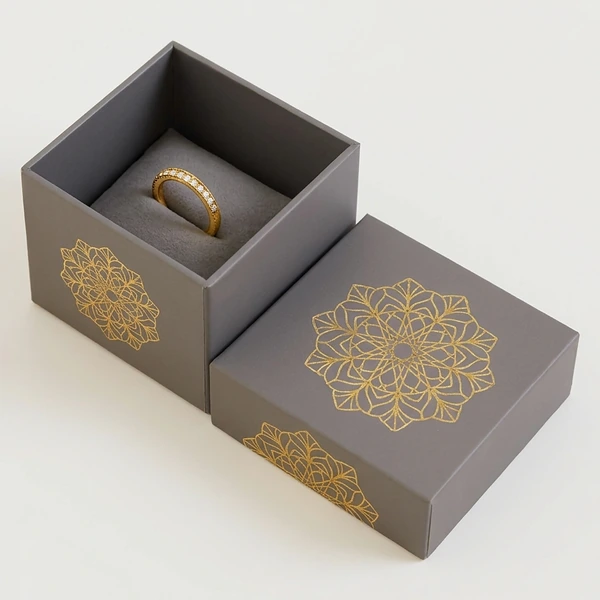
This is the two-piece box most people picture first: a base with a separate lid that sits on top. It looks timeless and works for almost every product. The lid gives you a generous surface for your logo, so you can print a bold mark or keep it small and elegant.
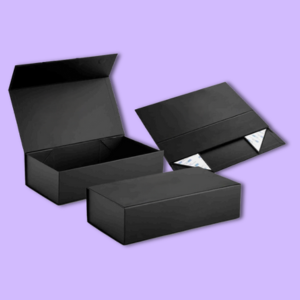
Magnetic Flap for a Proper Reveal
The flap opens like a book and closes with a soft magnetic click. Customers love that sound, and it makes the moment of opening feel special. Bridal collections, limited drops, and anything priced at the higher end do especially well in this format.
Drawer Boxes for Gift Sets
A drawer box slides open from the side, a bit like a miniature chest. It feels slower and more thoughtful than lifting a lid, which is useful when you sell matching sets that deserve a proper presentation. It also handles repeated opening better than most styles.
Hinged Boxes for Rings and Watches
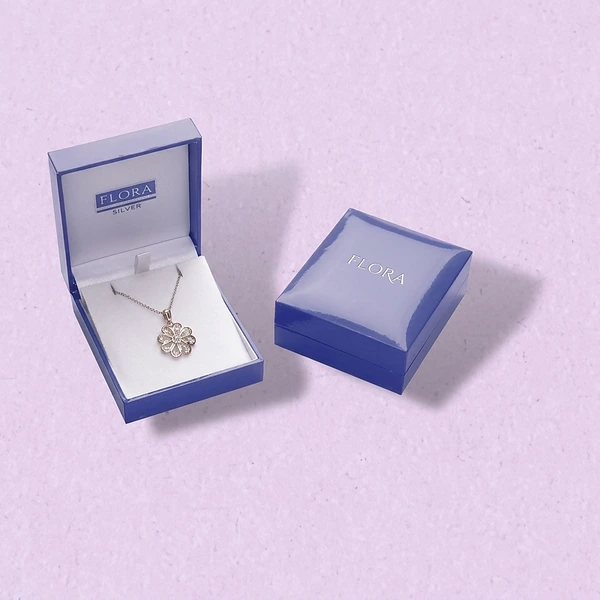
Hinged boxes stay open by themselves, so the person receiving the gift can admire the piece with both hands free. That makes them the usual pick for engagement rings, anniversary gifts, and watches.
Getting the Look Right: Wraps, Foils, and Colors
Choosing the Outer Wrap
The wrap is the first thing anyone sees, so it should match your brand personality. Matte paper feels calm and modern. Textured paper has a handmade charm. Velvet, linen, and silk look rich, but they cost more and need careful handling during production. Do not pick a fabric just because it looks expensive. Pick the one your customers would expect from you.
Finishes That Catch the Light
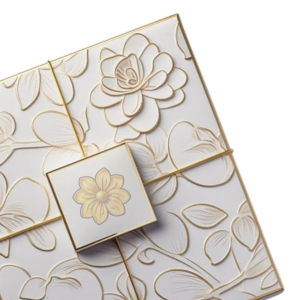
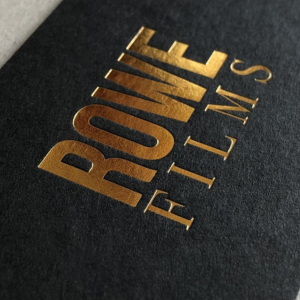
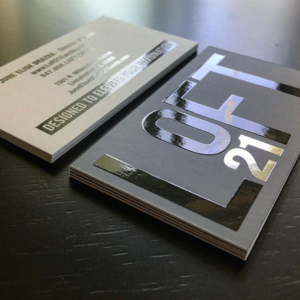
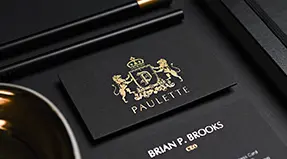
Foil stamping in gold or silver is the most popular upgrade, since it makes a logo shine without adding clutter. Embossing gives a raised texture you can feel with your fingertip, and spot UV adds a glossy patch on a matte surface. These finishes work best when used sparingly. One or two is plenty, and a third usually makes a small box look busy.
Which Colors Flatter Gold and Silver
Ivory, blush, and charcoal make metals look warmer and richer. Navy and deep green are lovely with gold. If your brand color is loud, think about keeping the inside neutral so the jewelry stays the center of attention.
The Insert Is Where Customers Look First
Foam, Velvet, or Pulp?
Open any jewelry box and your eyes go straight to the insert. It holds the piece in place and decides how it is displayed. Foam wrapped in velvet or satin is the common choice because it grips rings and earrings firmly. If sustainability matters to your brand, molded paper pulp is a good alternative, as it keeps its shape and can be recycled.
When to Pay for Custom Slots
A generic insert often leaves gaps, and loose gaps let pieces slide around in transit. Custom-cut slots hold each item exactly where it belongs and make the whole display look planned. If you sell sets, say earrings with a pendant and a bracelet, the extra tooling cost is usually money well spent.
Sizing Your Box Without Wasting Space
Start by measuring the real pieces, including chains, clasps, and anything else going inside, such as a pouch or care card. Leave a small margin for the insert, but not much more. A box that is too big makes the jewelry look tiny, and customers quietly read that as lower value.
Shipping needs a thought as well. Rigid boxes are strong, but couriers are not gentle, so you will still need an outer mailer or carton. Design both together so they fit snugly without rattling. It also helps you work out shipping weight early, which saves unpleasant surprises later.
What You’ll Pay and How Long You’ll Wait
What Drives the Price of Each Box
Rigid boxes cost more than folding cartons because they use more material and are assembled by hand. Size, wrap material, finishes, insert type, and quantity all change the final number. Quantity has the biggest effect. A bigger run brings the cost per box down noticeably, so ordering a full season at once often works out cheaper than reordering in small batches.
From Sample to Doorstep
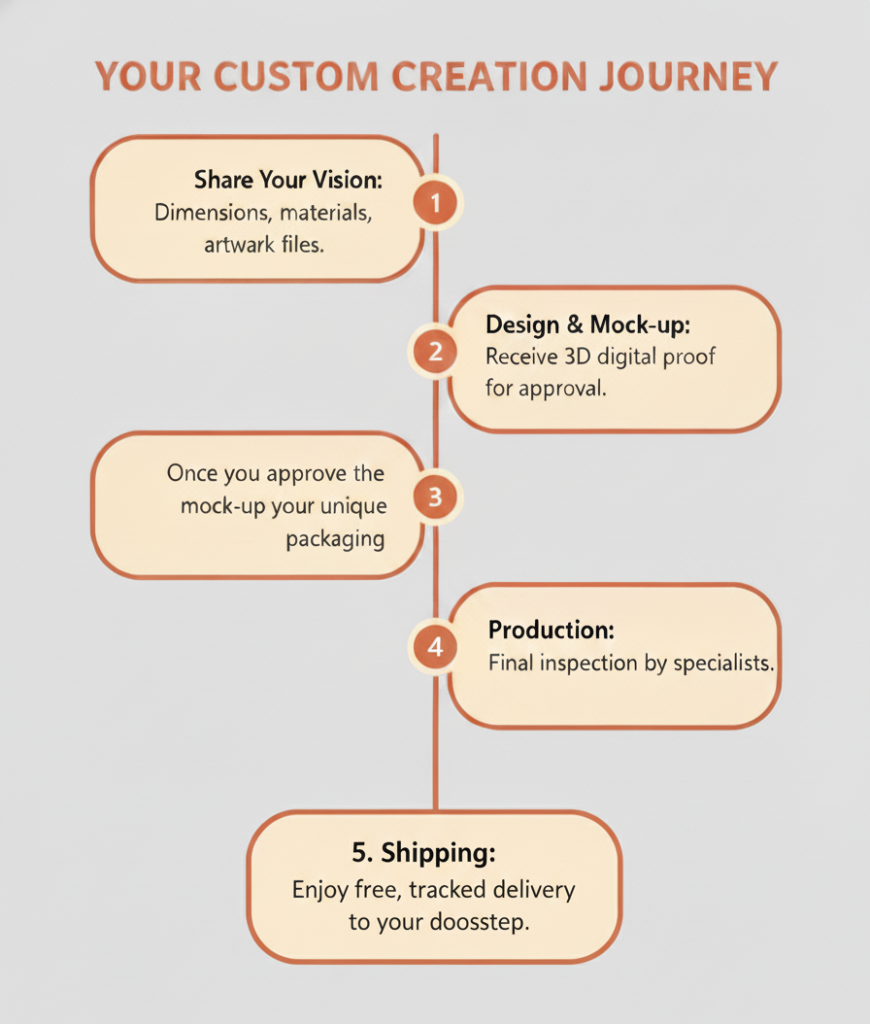
Custom production usually takes several weeks once you count sampling, approval, manufacturing, and shipping. Always ask for a physical sample before approving a large order. Colors and textures never look quite the same on a screen as they do in your hands. Start early, too, so a delay does not make you miss a festive season or product launch.