

Description
Shoulder Neck Rigid Boxes: A Distinctive Packaging Solution for Premium Brands
When a product deserves more than ordinary packaging, the box itself becomes part of the presentation. Shoulder Neck Rigid Boxes are a popular choice for brands looking for a structured, elegant package with a distinctive opening experience. Their layered construction creates a refined appearance, making them suitable for products where presentation, durability, and brand identity matter.
At ZJ Packaging, custom rigid packaging can be planned around product dimensions, design preferences, and branding goals. With the right combination of materials and finishing techniques, shoulder neck boxes can help businesses present their products in a professional and memorable way.
Understanding the Shoulder-and-Neck Construction
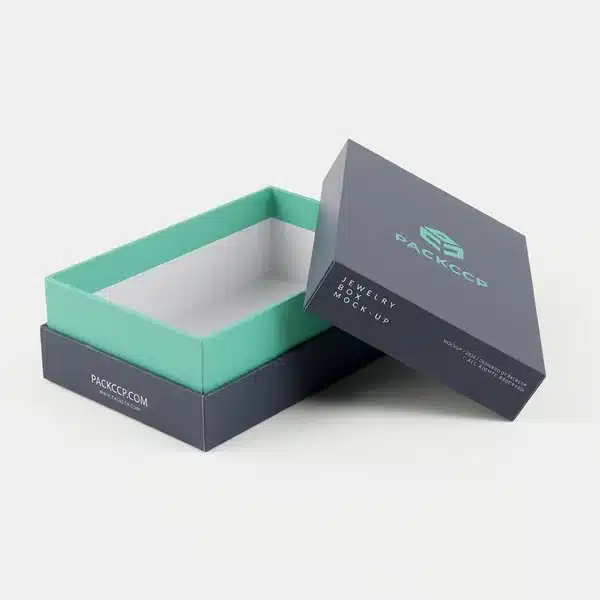
The defining feature of a shoulder neck rigid box is the relationship between its lid, base, and inner shoulder. The shoulder is a raised or fitted section positioned between the base and lid, creating a visible layered effect when the box is opened or closed.
Depending on the design, the shoulder may sit flush with the outer walls or extend slightly beyond them. This detail changes the appearance of the finished package and gives brands room to explore different visual styles.
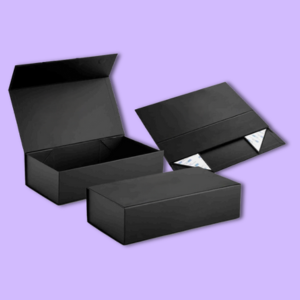
Unlike folding cartons that are shipped flat and assembled when needed, rigid boxes are made from sturdy board and retain their shape. The shoulder-and-neck structure adds another design dimension, helping the packaging feel substantial and carefully constructed.
What Happens When a Customer Opens the Box?
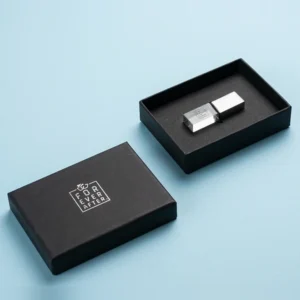
The opening experience is one of the strongest reasons to consider this packaging style. The lid lifts away from the base, revealing the shoulder section and the product positioned inside. This creates a more deliberate reveal than a standard carton opening.
For premium products, small details can make this moment feel more considered. A close-fitting lid, a clean interior, coordinated colors, and a neatly positioned product all contribute to the experience.
Brands can also introduce custom inserts, protective layers, or compartments where necessary. These additions help hold the product in place while keeping the interior organized.
The result is packaging that serves two purposes: it protects the contents and gives customers a more polished first interaction with the product.
Product Categories That Benefit from This Design
Shoulder neck rigid boxes can be adapted to several industries, although the construction and internal layout should reflect the requirements of each product.
Fragrance and Beauty Collections
Perfume bottles, premium skincare sets, and beauty gift collections often benefit from a rigid structure that supports a coordinated presentation. Custom inserts can help secure individual products, while foil details or restrained printing can complement the brand’s visual identity.
Watches, Jewelry, and Accessories
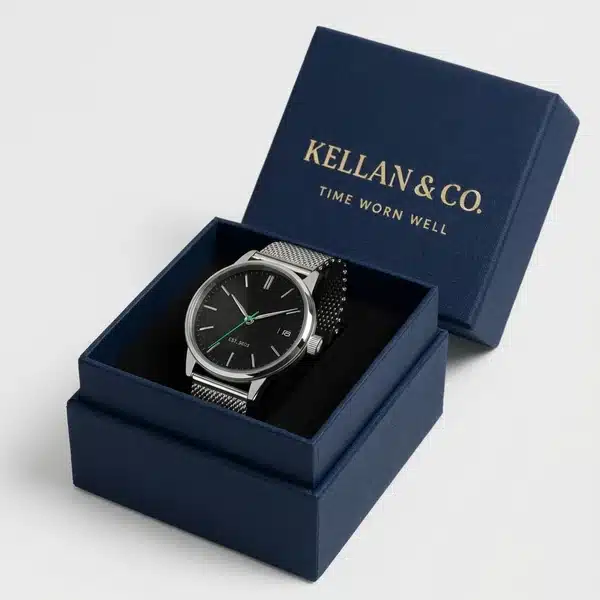
For watches, jewelry, and selected accessories, packaging needs to look attractive while keeping the product properly positioned. Foam, covered board inserts, or other suitable supports can be designed to fit the item’s shape. The insert material should be selected according to the product’s finish and protection requirements.
Electronics and Specialty Products
Small electronics, accessories, and carefully presented technology products may use shoulder neck packaging when a premium unboxing experience is part of the brand strategy. Measurements, internal cushioning, and product weight should be evaluated before the box design is finalized.
Corporate Gifts and Collectible Items
Businesses preparing executive gifts, commemorative products, or limited-edition collections can use this box style to create a more substantial presentation. Personalized messages, branded interiors, and distinctive color combinations can make the package feel specific to the occasion.
Choosing the Right Design Details
A well-designed shoulder neck box depends on more than its outer appearance. Several construction choices influence how the finished package looks and performs.
Shoulder height: The height of the inner shoulder affects the proportions of the box and the amount of the shoulder visible when the lid is removed. The right dimensions depend on the desired appearance and lid fit.
Lid depth and clearance: The lid must fit over the shoulder without being excessively tight or loose. Production tolerances and material thickness should be considered to achieve a smooth opening and closing action.
Board thickness: Rigid board provides the structural foundation. The appropriate thickness depends on box dimensions, product weight, and the level of sturdiness required.
Interior arrangement: Inserts and compartments help prevent unnecessary movement. Their shape and material should be matched to the product rather than chosen solely for appearance.
Exterior proportions: The relationship between the lid, shoulder, and base affects the visual balance of the finished box. A well-proportioned design can make even a simple color scheme look refined.
Working through these details during the design stage helps reduce fit issues and creates a more consistent finished product.
Finishes That Give the Packaging Its Identity
The surface finish determines how the box communicates a brand’s personality. Some businesses prefer a clean, understated appearance, while others want decorative details that make the package more noticeable.
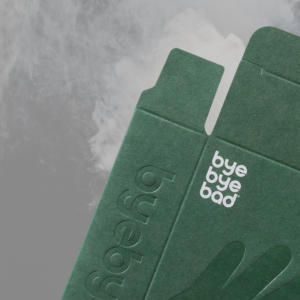
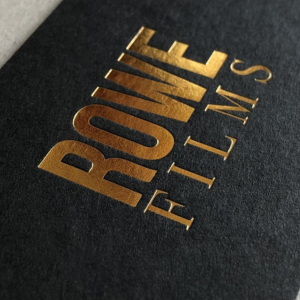
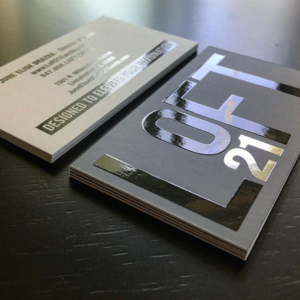
Popular options include matte or gloss lamination, textured paper wraps, foil stamping, embossing, debossing, and custom printing. A logo can be highlighted with metallic foil, while a textured wrap can add visual depth without requiring a complicated graphic design.
Color selection also plays an important role. Dark shades with subtle metallic details may suit a formal luxury presentation, whereas lighter colors and minimalist typography can create a contemporary look.
Not every combination is suitable for every material. It is worth reviewing available finishes and approving a sample when exact color matching, surface texture, or detailed branding is important.
Making the Box Practical for Storage and Reuse
Because shoulder neck rigid boxes are designed to retain their shape, they can offer a durable packaging format for products that require a sturdy presentation. However, their rigid construction generally takes up more storage and shipping space than flat-packed cartons.
Businesses should consider this trade-off when planning quantities and logistics. Box dimensions, stacking arrangements, outer shipping cartons, and warehouse space all influence the overall cost of using rigid packaging.
If customers are likely to keep the box after purchase, the construction and surface materials should also be selected with repeated handling in mind. A well-made box may continue to serve as a storage container, extending its usefulness beyond the original purchase.
For products shipped directly to customers, the decorative rigid box may need an additional protective outer carton. This helps reduce the risk of scuffs, crushed corners, or surface damage during transportation.
From Initial Concept to Production Approval
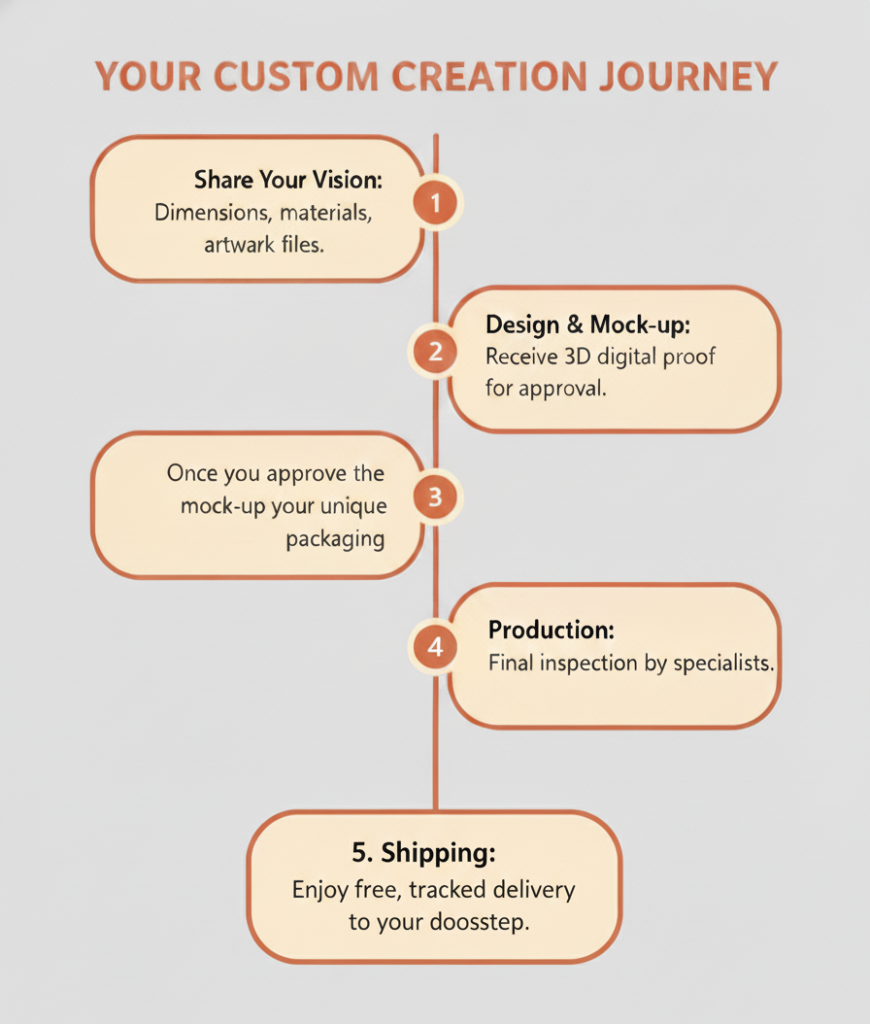
A successful packaging project usually begins with a clear specification rather than a finished graphic design. Before requesting a quotation from ZJ Packaging, prepare the following information:
- Product length, width, height, and approximate weight.
- Preferred shoulder neck box dimensions and opening style.
- Desired board construction and exterior covering.
- Logo artwork, brand colors, and selected finishing techniques.
- Interior insert requirements and any special protective needs.
- Estimated order quantity and required delivery schedule.
Once the design direction is established, a sample or prototype can help verify the lid fit, shoulder proportions, product placement, and overall finish. Any necessary adjustments should be made before the main production run is approved.
It is also useful to confirm whether quoted costs include inserts, printing, finishing, packing, and delivery. Clear specifications make it easier to compare options and avoid misunderstandings later in the process.