Description
Custom Holographic Magnetic Closure Boxes: Packaging That Captures Attention
Packaging can influence how customers perceive a product before they even open it. A striking exterior creates visual interest, while a satisfying opening experience can make the product feel more thoughtfully presented. Custom Holographic Magnetic Closure Boxes bring these two elements together through a light-reflecting finish and a box design that closes with a magnetic mechanism.
This packaging style is suitable for brands that want their products to look distinctive while providing a structured and convenient way to present their contents. The shifting colors of a holographic surface can create a modern appearance, while the magnetic closure helps keep the lid aligned when the box is shut.
At ZJ Packaging, businesses can explore customized packaging options based on their product dimensions, preferred holographic effect, branding requirements, and intended use.
Two Features That Define This Packaging Style
The appeal of these boxes comes from the combination of two different design elements.
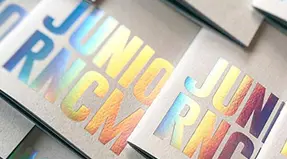
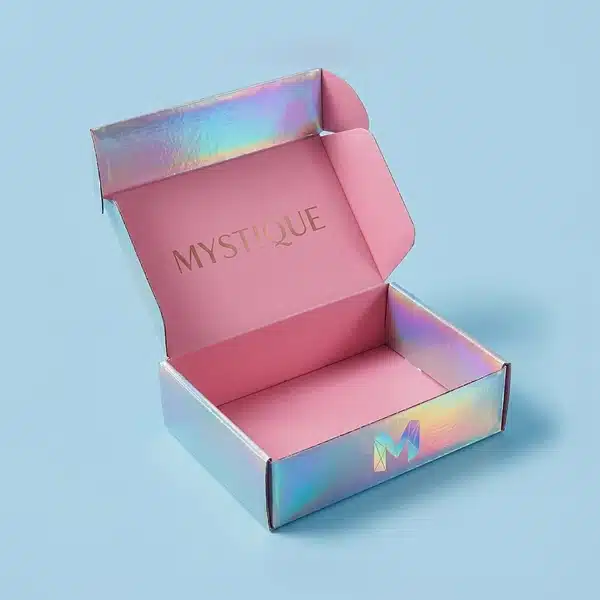
Holographic appearance: A holographic finish reflects light in different ways, producing shifting colors or rainbow-like effects as the viewing angle changes. Depending on the material and production method, the effect may cover the entire exterior or appear only on selected sections.
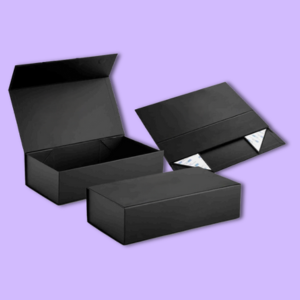
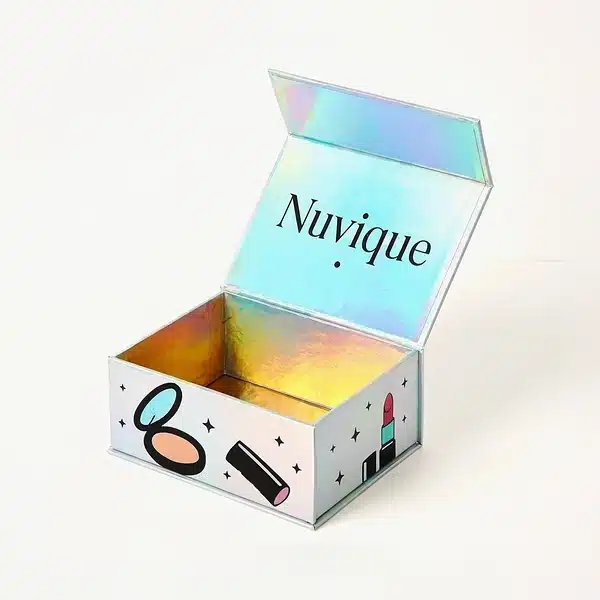
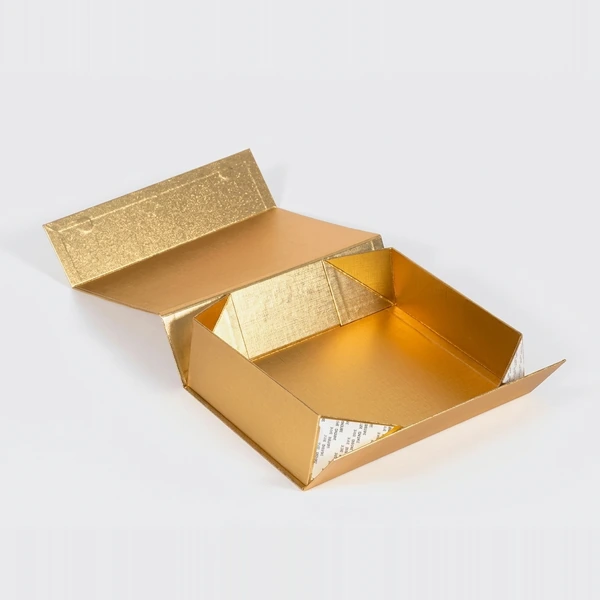
Magnetic closure: Small magnets are incorporated into the lid and corresponding box area to help the closure meet neatly. This creates a clean opening and closing action without relying on a conventional tuck-in flap.
Together, these features can give packaging a distinctive appearance and a more deliberate interaction. However, the holographic surface and magnetic mechanism must be planned as part of the same design so that the finished box looks attractive and functions properly.
The Unboxing Experience Starts Before the Lid Opens
A magnetic closure box offers a different interaction from an ordinary folding carton. The customer lifts the front edge of the lid, opens the box, and reveals the product inside. The controlled movement can make the presentation feel more considered, especially when the interior is arranged neatly.
A holographic exterior adds another visual layer. Under suitable lighting, its reflective patterns may shift as the box is moved, making it useful for products where packaging appearance is an important part of the purchase.
The inside of the box deserves equal attention. A coordinated interior color, fitted insert, branded message, or carefully positioned product can create a consistent presentation from the outside to the inside.
For brands selling gifts or premium products, this experience can help make the packaging feel like part of the product rather than a disposable container. Still, the design should remain easy to open, practical to handle, and appropriate for the item it contains.
Where These Boxes Can Make an Impact
Not every product requires holographic packaging. This style works best when its reflective appearance supports the product’s identity instead of distracting from it.
Beauty and Cosmetic Launches
Makeup collections, beauty gift sets, and selected skincare products can benefit from packaging that looks modern and visually distinctive. Holographic details can complement colorful product lines, while a magnetic lid provides a neat presentation for gift sets.
Technology Accessories
Headphones, compact electronic accessories, and selected lifestyle gadgets may use magnetic closure boxes when a structured presentation is required. Product-specific inserts should be designed to prevent movement and provide appropriate support.
Jewelry and Fashion Products
Accessories, watches, and selected jewelry collections can be presented in boxes that combine a reflective exterior with a coordinated interior. The insert should be chosen carefully to hold the product securely without scratching delicate surfaces.
Promotional Kits and Influencer Gifts
Brands preparing media kits, launch packages, or promotional collections can use holographic packaging to create a recognizable visual theme. Custom printing and interior compartments may help organize several items within the same box.
Special-Edition Gifts
Limited releases, celebratory products, and seasonal gift collections may benefit from a distinctive exterior that makes the packaging feel connected to the occasion. The design can be adapted through color selection, branding, and decorative details.
Selecting the Right Holographic Effect
The term holographic can refer to different materials and finishing approaches, so businesses should identify the visual result they want before production begins.
Some designs use a highly reflective film that produces a pronounced rainbow effect. Others use more subtle holographic patterns that create texture without overwhelming the overall appearance. The selected material can influence how the surface reflects light, how the artwork appears, and which finishing methods are compatible.
Consider these design directions:
- Full holographic coverage: Creates a bold, reflective appearance across most of the exterior.
- Holographic accents: Uses the effect on selected panels, logos, or decorative areas.
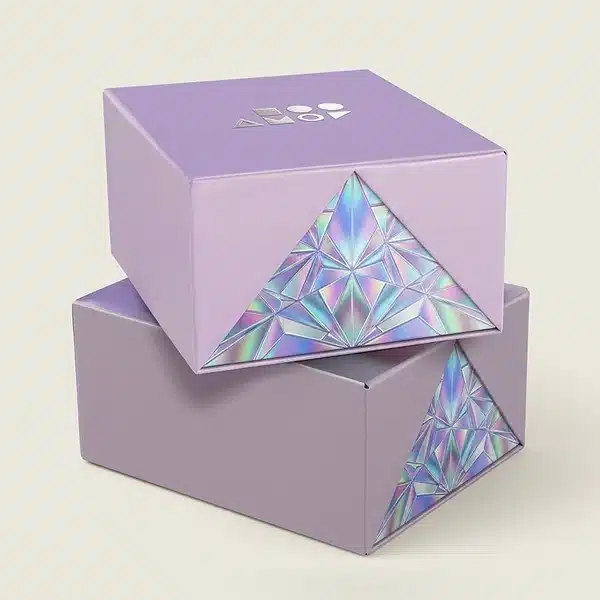
- Holographic patterns: Introduces geometric shapes, lines, or other repeating designs for a more structured look.
- Contrasting surfaces: Combines holographic sections with matte or plain-colored areas to balance reflectivity and readability.
The choice should reflect the brand’s personality and the product’s target market. A restrained design can look just as distinctive as a highly reflective one when the finish is applied thoughtfully.
Making the Magnetic Closure Work Properly
The closure is a functional component, not just a decorative feature. Its placement, strength, and alignment influence how the box opens and closes.
Magnets need to be positioned accurately within the box structure. If the placement is incorrect, the lid may not align as intended. If the magnetic hold is unsuitable for the construction, the closure may feel too weak or unnecessarily difficult to open.
Several factors should be reviewed during design:
Lid alignment: The lid should meet the front panel cleanly, without awkward gaps or uneven edges.
Magnetic strength: The closure should hold the lid in place under normal handling while still allowing the customer to open the box comfortably.
Board thickness: The construction must accommodate the magnetic components without creating unwanted bulges or affecting the finish.
Repeated use: If customers are expected to reuse the box, the closure and hinges should be evaluated for repeated opening and closing.
Product weight: The box structure and insert should support the contents independently of the magnetic closure. Magnets are intended to help close the lid, not to replace the structural support required by the product.
Sample testing is useful for checking these details before approving the final production run.
Branding on a Reflective Surface
Holographic packaging presents an interesting design challenge because the surface itself attracts attention. Adding too many colors, graphics, or decorative effects can make the design appear crowded.
A more balanced approach is to establish a clear visual hierarchy. The brand logo or product name can remain the main focal point, while secondary information is placed in a readable area.
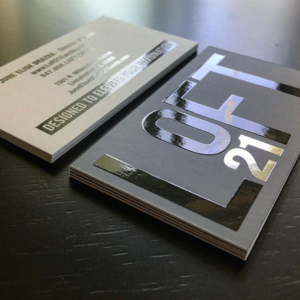
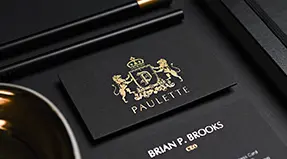
Depending on the selected material, brands may consider printing, foil stamping, or other compatible techniques. Contrast is particularly important because reflective backgrounds can affect the readability of small text and fine details.
The artwork should be reviewed on the actual material whenever possible. Colors that appear clear on a computer screen may look different when printed on a holographic surface. A physical sample helps assess contrast, alignment, reflectivity, and the overall relationship between the finish and the branding.