

Description
Custom Portfolio Boxes: Present Your Work the Way It Deserves
You spent weeks on that photo series. Or months on those architectural drawings. Then you hand it over in a bent folder with a coffee stain on the corner. It happens more than you’d think, and it quietly undersells your work.
Custom portfolio boxes fix that problem. They protect your pieces, and they also tell the person opening them that you take your craft seriously. Here’s what you need to know before ordering one.
What Are Custom Portfolio Boxes?
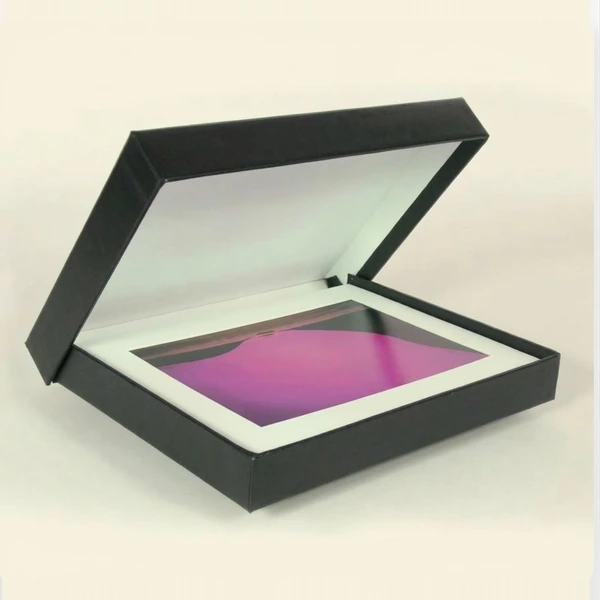
A custom portfolio box is a storage and presentation box made to your exact size, style and branding. Unlike a ready-made case from a stationery shop, it’s built around your work. If your prints are 11×14 inches, the box is made for 11×14 inches. No sliding around, no wasted space.
Most are made from rigid board or sturdy cardboard. You can add a logo, a name, a custom colour, even a ribbon or magnetic closure. Think of it as the first page of your portfolio, before anyone sees a single piece.
Why Choose a Portfolio Box Over a Plain Folder?
A folder holds paper. A box holds an experience. Here’s where the difference really shows.
It Makes a Strong First Impression
Clients, gallery owners and interviewers often decide how they feel about you in the first few seconds. A neat, well-made box signals care and professionalism before they’ve read a single word. It also gives your work a bit of ceremony, which makes people slow down and look properly.
It Protects Your Work
Corners get crushed in bags. Prints curl in humid weather. A sturdy box keeps everything flat, clean and safe, which matters a lot if your work is original or hard to reprint. Once a drawing is creased, no amount of care will bring it back.
It Builds Your Brand
When your name and logo sit on the lid, people remember you. Weeks later, that box is still on their desk, and so are you. For freelancers and small studios, this kind of quiet reminder is worth more than most people expect.
Who Uses Custom Portfolio Boxes?
Honestly, almost anyone who shares physical work.
Photographers
Wedding and portrait photographers often deliver prints in a box instead of an envelope. It feels like a gift, and clients love that. A well-made box also turns a simple set of prints into something families keep for years.
Designers and Architects
If you present drawings, mockups or material samples, a box keeps large sheets flat and gives you a clean way to lay everything out in a meeting. It also saves you from carrying loose papers into a client’s office and hoping nothing slips out.
Artists and Students
Art and design students use portfolio boxes for university applications and interviews. A good one makes a student’s work stand out in a pile of similar submissions, and it shows the reviewer that the student cares about details.
Materials and Styles to Choose From
The material changes how the box looks, feels and lasts, so it’s worth thinking about early.
Rigid Boxes
Rigid boxes are thick, firm and premium. They don’t dent easily and look great with foil stamping or embossing. If your portfolio is high-value or meant for important clients, this is usually the best choice. They cost more, but they last for years and still look sharp.
Kraft and Cardboard Boxes
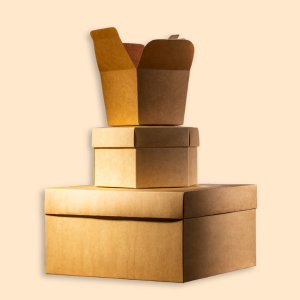
Kraft and cardboard boxes are lighter and more budget-friendly, with a natural, eco-friendly look. They suit students, small studios and anyone who wants a simple, earthy style. Many creatives actually prefer this look because it feels honest and handmade.
How Thick Should the Board Be?
For a few light prints, thinner board works fine. For heavy portfolios, mounted work or frequent travel, go thicker. A box that bends under its own weight defeats the whole purpose, so don’t try to save money on this one detail.
Finishes That Make a Difference
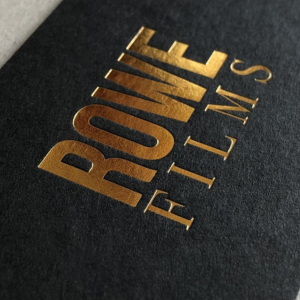
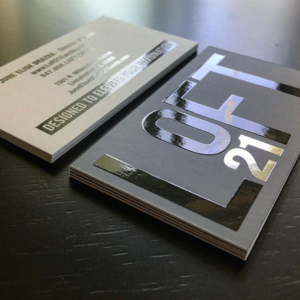
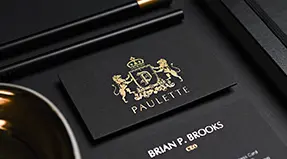
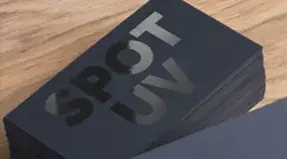
Matte lamination gives a soft, modern feel and hides fingerprints well. Gloss lamination is bright and eye-catching, though it shows marks more easily. Foil stamping adds gold or silver details that instantly make a box feel premium, and spot UV puts shiny highlights on a matte surface for a nice contrast. You don’t need all of them. One or two finishes, chosen carefully, usually look better than a box that tries everything at once.
Customization Options Worth Considering
This is where your box becomes yours.
Size and Shape
Measure your largest piece, then add a little room, usually around half an inch on each side. Too tight and it’s hard to take your work out. Too loose and everything shifts around during travel. If you carry different sizes, measure the biggest one and use inserts to hold the smaller pieces in place.
Closures and Inserts
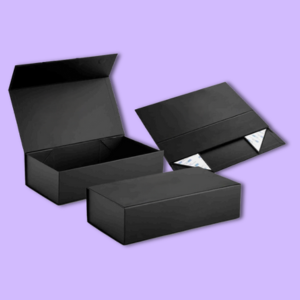
Magnetic flaps, ribbon ties and lift-off lids all give a different feel. A magnetic flap feels modern and secure, a ribbon feels gentle and personal, and a lift-off lid feels classic. Inserts like foam, velvet or card dividers help separate pieces and stop them from rubbing against each other, which is especially useful for delicate prints.
Should You Add Branding?
Yes, but keep it tidy. A small logo on the lid, or your name on the spine, usually looks better than covering the whole box in print. Simple branding looks confident, while crowded branding can look like you’re trying too hard.
How to Choose the Right Custom Portfolio Box
Before ordering, ask yourself a few honest questions. Start with what you’re storing, whether it’s prints, sketches, samples or a mix, because that decides the size and the inserts you’ll need. Then think about who will see it. A box for a gallery owner can be more elegant than one meant for a quick student interview.
Next, consider how often it will travel. If you’re on the move every week, choose stronger material and a secure closure. Finally, decide your budget early. It’s easy to fall in love with fancy finishes, and it’s much less stressful when you already know your limit.
Whatever you decide, ask for a sample or a mockup before placing a big order. Holding the actual box tells you more than any photo can.